
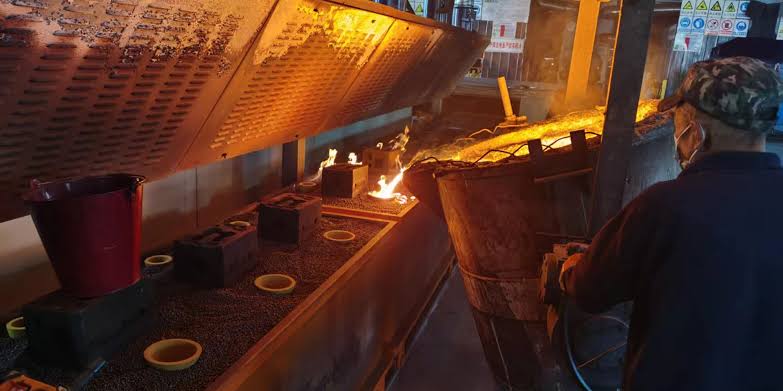

Production lead time is an important consideration when purchasing iron casting components for industrial applications. Whether a business needs machine housings, engine parts, pump bodies, or custom structural components, understanding how long manufacturing will take helps buyers coordinate production schedules and manage inventory. Delays in casting production can affect equipment assembly, customer deliveries, and overall business operations.
Iron casting lead times depend on several factors, including component complexity, material selection, mold preparation, production volume, machining requirements, and quality inspections. Businesses working with an experienced Iron Castings Manufacturer can better understand these stages and plan orders according to their technical specifications and delivery expectations.
What Is Production Lead Time in Iron Casting?
Production lead time refers to the total period between placing an order and receiving the finished components. In the iron casting industry, this process involves more than simply pouring molten metal into molds. It includes several manufacturing and preparation stages that must be completed before products are ready for shipment.
Depending on the order, lead time may include:
- Technical review and confirmation of product specifications.
- Pattern and mold design or preparation.
- Raw material sourcing and melting.
- Casting, cooling, and solidification.
- Cleaning, finishing, and machining.
- Quality inspection and testing.
- Packaging and transportation.
The time required for each stage varies according to the product design, production method, and manufacturer’s available resources.
Key Stages That Influence Iron Casting Lead Times
Understanding the production process helps buyers identify where delays may occur and how manufacturing schedules can be managed more effectively.
1. Design Review and Technical Confirmation
Before production begins, manufacturers review drawings, dimensions, material requirements, tolerances, and application conditions. This step ensures that the proposed casting design is suitable for manufacturing and meets the buyer’s technical expectations.
Incomplete drawings or unclear specifications can delay the process because additional communication and revisions may be necessary. Providing accurate technical information at the beginning helps reduce unnecessary adjustments.
2. Pattern and Mold Preparation
Patterns are used to create the shape of the casting, while molds provide the cavity into which molten iron is poured. New or customized components may require pattern development and testing before regular production can begin.
The complexity of the part, mold design, and selected casting method all affect preparation time. Existing patterns may shorten this stage, while new designs with complicated geometries can require additional engineering work.
3. Material Preparation and Melting
The manufacturer must source and prepare suitable raw materials according to the required iron grade and chemical composition. Melting operations then bring the metal to the appropriate temperature for pouring.
Material availability, production planning, furnace capacity, and the need for specific chemical properties can influence how quickly this stage is completed.
4. Casting and Cooling
Once the mold is ready and molten iron meets the required conditions, the metal is poured into the mold cavity. It must then cool and solidify before the casting can be removed.
Cooling time depends on component size, wall thickness, mold characteristics, and material properties. Large or thick castings may require longer cooling periods than smaller components.
5. Finishing and Machining
After solidification, castings are removed from their molds and undergo cleaning and finishing operations. Excess material, gates, and risers are removed, while surfaces may be prepared for further processing.
If the component requires precise dimensions, machining operations such as drilling, milling, boring, and turning may also be necessary. Complex machining requirements can add considerable time to the production schedule.
6. Inspection and Final Preparation
Finished components must be checked to confirm that they meet the agreed specifications. Inspections may include dimensional measurement, visual examination, hardness testing, mechanical testing, and non-destructive testing when required.
If a component does not meet the required standards, corrective work or replacement production may be necessary. Final inspection therefore plays an important role in determining the actual delivery schedule.
Major Factors That Affect Iron Casting Production Lead Times
Not every casting order follows the same production schedule. Several variables determine how quickly a manufacturer can complete an order.
Component Size and Design Complexity
Large components generally require more material, larger molds, and longer cooling periods. Complex geometries may also require specialized patterns, additional mold preparation, or more extensive machining.
Parts with thin walls, internal cavities, or complicated shapes can require careful process planning to achieve consistent results. As a result, component design has a direct influence on production duration.
Type of Iron Material
Different iron grades have different chemical compositions and mechanical properties. Manufacturers must select appropriate raw materials and control melting conditions to achieve the required specifications.
If a project requires a specialized grade or a particular combination of mechanical properties, material preparation and testing may take additional time. Material availability can also affect the production schedule.
Order Quantity
Production volume influences how manufacturers organize their casting operations. Large orders may benefit from repeated production runs and more efficient use of molds and equipment.
However, higher quantities also require more melting, pouring, finishing, and inspection work. Small custom orders may have a longer initial setup period relative to the number of parts produced.
Mold and Pattern Availability
Existing patterns can help reduce preparation time, particularly for repeat orders. New patterns, on the other hand, require design, manufacturing, and sometimes testing before production can proceed.
Changes to an existing component design may also require pattern modifications. Buyers should confirm whether suitable tooling is already available when requesting a delivery estimate.
Machining and Surface Treatment Requirements
Some iron castings are supplied in their as-cast condition, while others require extensive machining or additional surface treatments. Components with tight tolerances and multiple machined features need more processing time.
Special finishing requirements should be communicated early so that the manufacturer can include them in the original production plan.
How Quality Control Can Influence Delivery Schedules
Quality control is essential for ensuring that iron castings meet the required performance and safety standards. However, inspection activities also need to be included in production planning.
Basic visual and dimensional checks may be completed relatively quickly, while more detailed mechanical or non-destructive testing can require additional time. The inspection process depends on the component’s intended application and the buyer’s technical requirements.
Manufacturing defects can also affect delivery schedules. Problems such as porosity, shrinkage cavities, cracks, and inclusions may require repair, additional testing, or complete replacement. Effective process control helps reduce these risks and supports more predictable delivery performance.
Strategies for Reducing Iron Casting Production Lead Times
Although some manufacturing stages cannot be shortened without affecting quality, buyers and manufacturers can take practical steps to improve scheduling efficiency.
Useful strategies include:
- Provide complete technical specifications: Accurate drawings, material grades, tolerances, and inspection requirements help prevent delays during design confirmation.
- Confirm tooling availability: Checking whether existing patterns can be used helps establish a realistic starting schedule.
- Finalize design changes early: Late revisions can require mold adjustments and disrupt planned production.
- Forecast demand: Sharing expected order quantities and future requirements helps manufacturers plan material sourcing and production capacity.
- Coordinate machining requirements: Confirming finishing and machining details before production prevents unexpected additional work.
- Maintain regular communication: Progress updates help buyers identify potential delays and adjust their schedules when necessary.
These measures can improve coordination and reduce avoidable interruptions throughout the manufacturing process.
The Importance of Production Planning and Capacity
A manufacturer’s production capacity has a significant effect on its ability to meet delivery commitments. Foundry equipment, furnace availability, mold preparation facilities, machining resources, workforce experience, and quality inspection systems all influence production throughput.
Manufacturers must also coordinate different orders without compromising quality or creating unnecessary equipment bottlenecks. A well-organized production schedule helps allocate resources efficiently and maintain consistency across multiple projects.
Buyers should therefore evaluate more than the estimated number of production days. Understanding the manufacturer’s equipment, available capacity, and experience with similar components provides a clearer picture of its ability to meet delivery expectations.
Understanding Lead Times for Repeat and Custom Orders
Repeat orders and custom orders often have different production requirements. Repeat orders may be completed more efficiently when patterns, material specifications, and machining instructions have already been established.
Custom projects generally involve additional preparation because the manufacturer may need to review designs, develop tooling, conduct initial production trials, and confirm product quality. These steps are important for ensuring that the final components meet the required specifications.
For businesses with ongoing demand, maintaining approved drawings, tooling records, and production documentation can help simplify future orders. Consistent communication about forecast quantities also supports better long-term scheduling.
What Buyers Should Ask Before Placing an Iron Casting Order
Before confirming an order, buyers should request a clear explanation of the production schedule and the factors that could affect delivery.
Important questions include:
- Is the required iron grade currently available?
- Does the project require new pattern or mold development?
- How long will casting and cooling take?
- Are machining and surface finishing included in the quoted lead time?
- What inspections and tests are required before shipment?
- How does the manufacturer handle production delays or rejected components?
- Can the supplier provide progress updates during manufacturing?
Clear answers help buyers compare suppliers and establish realistic expectations before production begins.
Conclusion
Production lead times in the iron casting manufacturing industry depend on multiple interconnected stages, from design confirmation and mold preparation to casting, machining, inspection, and shipment. Component complexity, material availability, order quantity, tooling requirements, and manufacturing capacity all influence how long an order takes to complete.
For buyers, understanding these factors makes it easier to plan procurement, manage inventory, and avoid unexpected production interruptions. By providing accurate specifications, confirming requirements early, and maintaining communication throughout the process, businesses can support more efficient iron casting production and more reliable delivery schedules.