
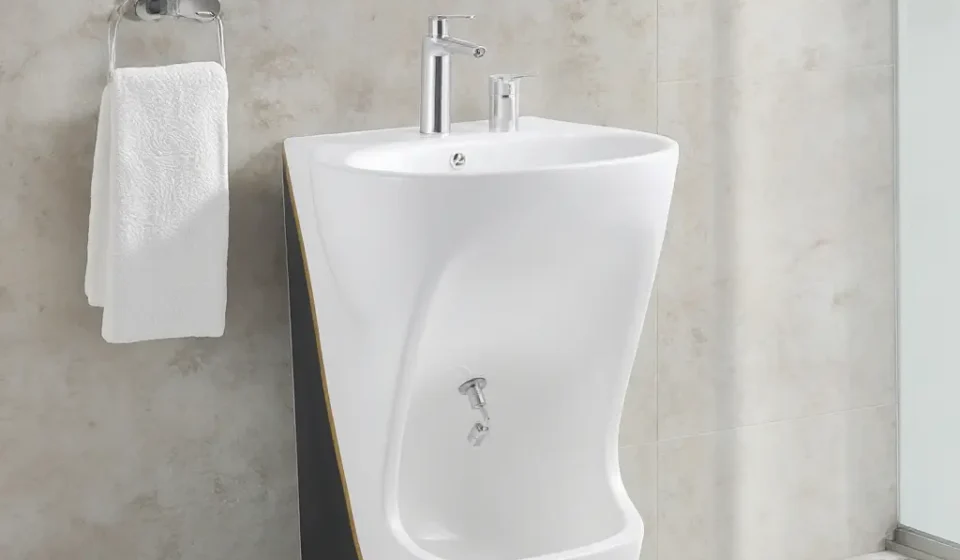

Planning plumbing and drainage is an essential part of installing a wudu basin in a bathroom. A well-designed system supports regular ablution, removes wastewater efficiently, and helps prevent leaks, unpleasant odors, and water accumulation. Careful preparation also reduces the risk of expensive modifications after the basin has been installed.
When selecting a Bathroom Wudu Basin, homeowners should consider the fixture’s dimensions, water supply connections, drain location, and intended washing activities. These details affect where the basin can be positioned and how easily it can be maintained. With a clear plan and appropriate professional installation, a bathroom can accommodate an effective ablution area without unnecessary plumbing complications.
1. Assess the Existing Plumbing Layout
Before choosing an installation location, inspect the bathroom’s existing water supply and drainage connections. Placing the basin near suitable plumbing can reduce the amount of pipework required and help control installation costs.
Identify the positions of the water supply lines, waste pipes, nearby fixtures, and any concealed plumbing that may affect the proposed location. If the bathroom is being renovated, check whether existing connections can accommodate the new basin without compromising drainage performance.
For new construction, plan the basin’s position alongside the toilet, shower, and other fixtures. This coordinated approach helps create an efficient layout while preserving comfortable access.
A qualified plumber can assess existing pipework and determine whether adjustments are necessary before installation begins.
2. Choose the Right Location for the Basin
The basin’s position affects plumbing complexity, accessibility, and the amount of water that may reach the surrounding floor.
In a compact bathroom, a wall-mounted or corner basin may help preserve floor space. In a larger bathroom, a dedicated ablution zone can provide more room for washing and water management.
When selecting a location, consider the following factors:
- Proximity to water connections: Shorter, practical pipe routes may simplify installation.
- Access to drainage: The waste outlet should connect efficiently to the appropriate drainage system.
- Clearance around the basin: Users need enough space to wash comfortably without obstructing doors or other fixtures.
- Floor protection: The surrounding area should be able to withstand occasional splashing.
- Maintenance access: Valves, traps, and pipe connections should remain accessible for inspection and repairs.
Avoid choosing a location based only on appearance. The basin should fit the bathroom layout and support its intended use.
3. Plan the Water Supply Connections
A wudu basin requires a reliable water supply with connections compatible with the selected faucet and fixture.
Before installation, confirm the number and position of the required supply lines. Some faucets need a single cold-water connection, while others use both hot and cold water. The appropriate arrangement depends on the product design and household preferences.
Supply pipes, shutoff valves, and connectors should be correctly sized and installed according to the manufacturer’s instructions and local plumbing requirements. Accessible isolation valves are useful because they allow the water supply to be shut off during maintenance without affecting the entire property.
The faucet should deliver water into the bowl without excessive splashing. Its spout reach, height, and flow rate should match the basin’s dimensions.
After installation, the connections should be tested for leaks and the faucet checked for reliable operation. Any loose fittings or damaged connections should be corrected before the basin is put into regular use.
4. Determine the Correct Drainage Arrangement
Effective drainage is essential for maintaining a clean and functional wudu basin. The drain must match the fixture’s outlet and connect properly to the bathroom’s wastewater system.
The required drain size, pipe routing, and slope depend on local plumbing regulations, the basin design, and the existing drainage network. A plumber should verify these details before work begins.
An appropriately installed drain helps remove water efficiently and reduces the likelihood of standing water inside the bowl. The waste assembly should also include the required trap or equivalent odor-control arrangement to prevent sewer gases from entering the bathroom.
If the basin includes a separate foot-washing section or multiple outlets, confirm how each outlet will be connected and whether the drainage system can accommodate the expected flow.
Do not assume that a larger drain alone will solve every drainage problem. Correct pipe gradients, suitable fittings, and a properly designed connection are equally important.
5. Consider Whether a Floor Drain Is Necessary
A basin drain removes water from the bowl, but some water may still reach the surrounding floor during ablution. Whether a separate floor drain is appropriate depends on the bathroom design, expected water use, and local plumbing requirements.
A dedicated ablution area may benefit from a floor drain, particularly when foot washing is performed frequently or the fixture is used by several people. The floor must be designed to direct water toward the drain rather than allowing puddles to collect.
If a floor drain is installed, the waterproofing layer, floor slope, drain connection, and surrounding finishes should be coordinated. Poor detailing can allow water to penetrate beneath tiles or collect in low areas.
For a bathroom without a floor drain, choose a basin that controls splashing and use appropriate waterproofing around the installation. Keep the surrounding floor dry when practical and select a finish with suitable slip resistance when wet.
6. Prevent Leaks and Unpleasant Odors
Leaks and drainage odors can make an otherwise well-designed ablution area difficult to maintain. Both problems are easier to prevent when plumbing connections are planned carefully.
Use compatible connectors and sealing materials recommended for the fixture. Check the joints between the basin, faucet, drain assembly, and waste pipe during installation.
A correctly installed trap helps prevent sewer odors from entering the bathroom. The drainage system should also be arranged to avoid problems such as siphoning or inadequate venting, where these are relevant under local plumbing requirements.
After the basin is connected, run water for several minutes and inspect the visible joints. Check beneath the fixture and around any cabinets for signs of moisture. Repeat the inspection after normal use to identify slow leaks that may not be immediately apparent.
If odors persist or the basin drains slowly, have the plumbing system inspected rather than relying only on chemical drain cleaners.
7. Coordinate Plumbing With a Wall-Mounted Basin
Wall-mounted wudu basins can save floor space, but their installation requires careful coordination between the fixture, wall structure, and plumbing connections.
Before mounting the basin, confirm the positions of the water supply pipes and waste outlet. These must align with the basin’s connection points while leaving enough room for the mounting hardware.
The wall must provide suitable support for the fixture. Depending on the wall construction and basin design, reinforcement may be required. Plumbing access should also be considered, especially if the pipes will be concealed behind a finished wall.
Concealed connections can create a streamlined appearance, but they should not make future repairs unnecessarily difficult. Where possible, provide appropriate access to serviceable components.
The basin should be secured using the specified mounting system. Sealant may help protect joints against water penetration, but it should not replace the required structural support.
8. Plan Plumbing for Countertop and Vanity Basins
Countertop wudu basins require a supporting surface and enough room beneath or around the basin for the water supply and drainage assembly.
Measure the basin and countertop together before deciding on the final installation position. This helps prevent conflicts between the drain outlet, faucet, cabinet structure, and existing pipework.
If the plumbing passes through a vanity, make sure the cabinet has sufficient space for the trap, shutoff valves, and connectors. Avoid arranging shelves or drawers in a way that blocks access to essential plumbing components.
The countertop material should tolerate bathroom moisture, and openings around the basin and faucet should be finished according to the manufacturer’s instructions. Proper sealing helps protect the supporting surface from water damage.
Before completing the cabinet installation, test the plumbing connections and confirm that any maintenance work can be carried out without removing major sections of the vanity.
9. Choose Materials Suitable for Moisture Exposure
Plumbing components and surrounding finishes should be suitable for regular contact with water and the humidity of a bathroom.
Use pipes, valves, fittings, and connectors approved for the intended application. Their compatibility with the existing system and local requirements matters more than appearance alone.
The surrounding wall and floor finishes should also be appropriate for wet areas. Waterproofing behind tiles, properly sealed joints, and moisture-resistant materials help reduce the risk of hidden water damage.
For exposed pipes, choose a neat, serviceable arrangement that allows inspection and cleaning. For concealed plumbing, make sure installation quality is verified before the wall is closed.
Material selection should consider durability, compatibility, ease of maintenance, and access to replacement components.
10. Avoid Common Plumbing and Drainage Mistakes
Several planning errors can lead to leaks, poor drainage, or unnecessary renovation costs.
Incorrect Pipe Positioning
If the water supply and waste outlet do not align with the basin, installers may need additional fittings or wall modifications. Confirm connection locations using the manufacturer’s specifications before drilling or cutting.
Inadequate Drainage Slope
Waste pipes require an appropriate gradient to support wastewater flow. A pipe installed incorrectly may drain slowly or contribute to recurring blockages.
Poor Waterproofing
Water can penetrate through inadequately sealed joints and damage the floor, walls, or cabinets. Ensure that wet-area waterproofing is suitable for the installation and completed correctly.
Inaccessible Plumbing Connections
Concealing every connection without considering future repairs can make simple maintenance expensive. Keep serviceable components accessible wherever practical.
Ignoring Floor Splashing
A basin may drain correctly while water still reaches the surrounding floor. Consider bowl depth, faucet position, user movement, and floor protection as part of the complete design.
Avoiding these mistakes helps create a more reliable installation and reduces the likelihood of repairs.
11. Test the Complete System Before Regular Use
Once the basin and plumbing have been installed, test the entire system before completing any remaining finishing work.
Use this checklist:
- Confirm that the basin is level and securely supported.
- Check the faucet and water supply connections for leaks.
- Run water and observe whether the bowl drains efficiently.
- Inspect the waste pipe, trap, and visible joints.
- Check for unpleasant odors or unusual drainage noises.
- Confirm that water does not collect around the basin unnecessarily.
- Test the surrounding floor and drainage arrangement under expected washing conditions.
- Ensure that valves and serviceable plumbing components remain accessible.
Correct any problems before the installation is considered complete. A final inspection by a qualified plumber is advisable when the work involves new pipework, concealed connections, or changes to the building’s drainage system.
12. Maintain the Plumbing and Drainage System
Regular maintenance helps keep a wudu basin hygienic and reduces the likelihood of unexpected plumbing problems.
Clean the basin and drain opening according to the manufacturer’s recommendations. Remove visible hair, soap residue, and other debris before they accumulate. Avoid forcing objects into the drain or using aggressive chemicals that may damage pipes, seals, or the basin finish.
Periodically inspect accessible connections for moisture, corrosion, loose fittings, or damaged seals. If water begins draining slowly, investigate the cause early rather than allowing a blockage to worsen.
In shared ablution facilities, a consistent cleaning and inspection schedule is particularly important because frequent use can increase the amount of residue entering the drainage system.
Persistent leaks, sewer odors, or recurring blockages should be assessed by a qualified plumber.
Conclusion
Planning plumbing and drainage for a bathroom wudu basin involves more than connecting a faucet and waste pipe. The basin’s position, water supply, drainage configuration, mounting method, waterproofing, and access for maintenance all influence the installation’s performance.
By assessing the existing plumbing, selecting a suitable basin design, and planning for water management, homeowners can create an efficient ablution area without compromising bathroom space. Professional installation and routine maintenance further help ensure that the system remains hygienic, dependable, and practical for everyday use.