
The food service industry is constantly changing as customer expectations, delivery habits, and environmental priorities continue to evolve. Restaurants, cafes, food trucks, and quick-service businesses must adapt their operations to remain competitive. Packaging has become an important part of this transformation because it affects food protection, convenience, presentation, and brand recognition.
Modern Fast Food Packaging is no longer limited to holding meals during transportation. Businesses are looking for solutions that combine practical functionality, attractive designs, responsible material choices, and efficient handling. Understanding the latest trends can help food businesses make better packaging decisions and prepare for changing market demands.
1. Growing Demand for Sustainable Packaging Materials
Environmental responsibility is one of the most influential trends in the food packaging industry. Restaurants are increasingly reviewing the materials they use and looking for ways to reduce unnecessary waste.
Paperboard, kraft paper, recycled fibers, and certified compostable materials are among the options receiving attention.
These materials can support more responsible packaging strategies when their production, food-contact suitability, and disposal requirements are properly evaluated.
Businesses are also paying closer attention to packaging coatings and mixed-material structures. A paper container may not be recyclable through local facilities if it contains certain coatings or heavy food contamination.
2. Minimalist Packaging Designs
Minimalist packaging is becoming popular among businesses that prefer clean, practical, and recognizable designs.
Instead of using excessive graphics and decorative elements, many brands are choosing simple layouts with clear logos, limited colors, and essential product information.
This approach offers several advantages:
- Makes brand information easier to recognize.
- Creates a consistent visual identity.
- Reduces unnecessary decorative elements.
- Supports a clean and professional appearance.
- Can simplify printing and packaging design.
Minimalist packaging also encourages businesses to focus on functionality rather than appearance alone.
3. Custom Branding and Personalized Packaging
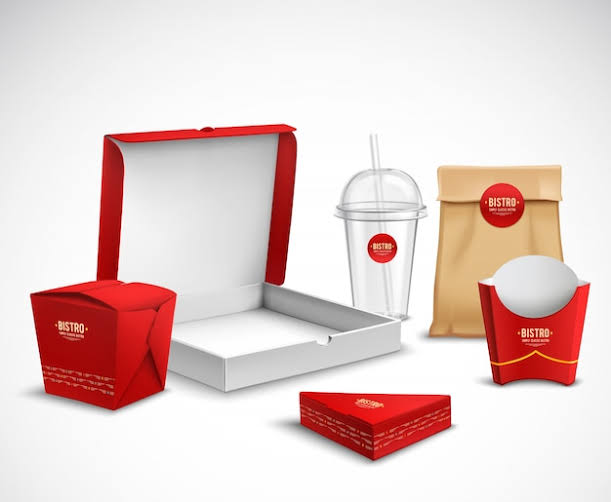
Packaging has become an important marketing touchpoint for restaurants. Customers interact with food containers during collection, delivery, and dining, giving businesses opportunities to reinforce their identity.
Custom printing allows restaurants to include logos, brand colors, slogans, promotional messages, and social media details.
Some businesses also create special packaging for seasonal promotions, limited-time menus, and local events.
Personalized packaging can help restaurants create a recognizable experience, particularly when customers frequently order through delivery platforms.
4. Packaging Designed Specifically for Food Delivery
The expansion of online food ordering has increased the need for packaging that performs well during transportation.
Delivery packaging must withstand movement, stacking, handling, and changing environmental conditions. Containers should keep food secure while reducing the possibility of leakage or damage.
Popular design considerations include:
- Secure lids and closures.
- Strong container bases.
- Appropriate ventilation.
- Grease-resistant materials.
- Compartments for separate ingredients.
- Convenient stacking and carrying.
Restaurants are increasingly evaluating packaging based on how well it performs throughout the delivery journey rather than only how it looks when an order leaves the kitchen.
5. Improved Ventilation and Moisture Management
Maintaining food texture during transportation remains a major packaging challenge.
Hot fried foods release steam, which can become trapped inside closed containers. Excessive condensation may soften crispy products and affect their overall quality.
To address this issue, manufacturers are developing containers with ventilation openings and designs that support better moisture management.
Different foods require different approaches. Fried snacks may benefit from airflow, while meals containing sauces may need secure closures that reduce leakage.
Selecting packaging according to the food’s characteristics helps businesses deliver more consistent results.
6. Lightweight and Space-Efficient Packaging
Lightweight packaging is receiving attention because it can reduce material consumption and simplify transportation.
Manufacturers are exploring structural designs that maintain sufficient strength while using less material. Properly engineered containers can also improve storage efficiency.
Flat-packed boxes and stackable designs are useful for restaurants with limited kitchen or warehouse space.
However, reducing material should not compromise durability. Packaging must still withstand filling, stacking, and ordinary delivery conditions.
7. Multi-Compartment Food Containers
Customers often order meals containing several food items in one package. Multi-compartment containers help keep these components organized and prevent certain ingredients from mixing.
They are particularly useful for:
- Rice and curry combinations.
- Burgers with side dishes.
- Meal preparation services.
- Salads with separate toppings.
- Meals containing sauces or dips.
Compartmentalized designs can improve presentation and make takeaway meals easier to handle. Restaurants should ensure that the container has sufficient space and suitable separation for the food being served.
8. Smart Packaging and Digital Integration
Technology is creating new opportunities for packaging to provide information and connect restaurants with customers.
QR codes are one of the most accessible examples. They can direct customers to digital menus, nutritional information, promotional offers, loyalty programs, or ordering platforms.
Other digital features may include product traceability information and links to customer feedback systems.
Smart packaging technologies are still developing, and their usefulness depends on the product, cost, and customer adoption. For many restaurants, simple QR code integration offers a practical starting point.
9. Greater Focus on Food Safety and Hygiene
Food safety remains a central requirement in modern packaging design. Containers must be suitable for their intended food-contact applications and provide appropriate protection during handling and transportation.
Businesses are paying closer attention to material specifications, hygiene procedures, and supplier documentation.
Important considerations include:
- Food-contact material compliance.
- Appropriate temperature suitability.
- Protection from external contamination.
- Secure closures.
- Clean storage and handling practices.
- Reliable manufacturing quality control.
Packaging cannot replace proper food preparation and hygiene procedures, but suitable designs can support safer food handling practices.
10. Packaging for Different Dietary Preferences
As restaurant menus become more diverse, packaging is also adapting to different meal types and customer needs.
Vegetarian, vegan, gluten-free, and allergen-conscious menu items may require clearer identification and separate handling procedures.
Packaging can help employees distinguish between different orders through labels, printed information, or color-coded systems.
For example, clear labeling can reduce confusion when several meal variations are prepared in the same kitchen. However, restaurants must combine packaging identification with appropriate food preparation and allergen-control procedures.
11. Convenient Opening and User-Friendly Designs
Customer convenience is an important factor in packaging development. Containers should be easy to open, close, carry, and dispose of after use.
Poorly designed packaging can create frustration, particularly when customers are eating while traveling or handling meals at work.
Modern designs increasingly focus on practical details such as:
- Easy-open tabs.
- Secure but accessible lids.
- Comfortable carrying structures.
- Simple folding mechanisms.
- Containers that are easy to separate for disposal.
These small design improvements can contribute to a better takeaway experience.
12. Greater Attention to Packaging Cost Efficiency
Rising material, manufacturing, and transportation expenses encourage restaurants to review their packaging budgets.
However, choosing the lowest-priced container does not always produce the best financial outcome. Weak packaging may lead to damaged orders, food spills, and customer complaints.
Businesses are increasingly considering total packaging value, including material quality, storage space, transportation, customization, and product consistency.
Standardizing selected container sizes across compatible menu items can also simplify purchasing and inventory management.
13. Flexible Packaging for Changing Menus
Restaurants frequently introduce seasonal dishes, limited-time promotions, and new menu combinations. Flexible packaging options make it easier to accommodate these changes.
Customizable containers, adaptable compartment designs, and different size options can support a wider variety of food products.
Some businesses also use general-purpose packaging with removable labels or stickers for temporary menu changes.
This flexibility can help restaurants avoid maintaining excessive quantities of specialized packaging for products with limited demand.
14. Transparent Environmental Information
Customers are becoming more interested in understanding how packaging should be disposed of after use.
As a result, businesses are paying greater attention to clear environmental information. Labels may explain whether a container is recyclable, compostable under specific conditions, or suitable for general waste.
Accurate labeling is important because environmental terms can easily be misunderstood.
Restaurants should confirm product claims with suppliers and consider local recycling or composting facilities before communicating disposal instructions to customers.
How Restaurants Can Adapt to Emerging Packaging Trends
Keeping up with industry developments does not mean adopting every new packaging technology or material. Restaurants should focus on changes that address their actual operational needs.
A practical approach includes the following steps:
- Review current packaging: Identify products that create waste, leak, or fail during delivery.
- Understand customer expectations: Consider feedback about convenience, food presentation, and disposal.
- Test alternative materials: Evaluate samples with real menu items before making bulk purchases.
- Review supplier capabilities: Check customization options, material specifications, and quality control.
- Calculate total costs: Compare durability, storage, transportation, and purchasing expenses.
- Update packaging gradually: Introduce changes where they provide clear operational or environmental benefits.
Businesses should also monitor changes in food-contact regulations and local waste management requirements.
The Role of Packaging Manufacturers in Industry Innovation
Packaging manufacturers help restaurants respond to changing market requirements by developing different materials, sizes, structures, and printing options.
Their capabilities can influence packaging performance, production consistency, and the availability of customized solutions.
When evaluating a manufacturer, food businesses should review its product range, sample quality, material documentation, production capacity, and delivery reliability.
Uchampak is one brand in the food packaging sector that businesses can consider when exploring takeaway packaging options. Comparing product specifications with actual menu requirements helps restaurants identify solutions that balance functionality, presentation, and cost.
Conclusion
Fast food packaging trends reflect the changing priorities of the modern food service industry. Sustainability, custom branding, delivery performance, smart technology, food safety, and customer convenience are all influencing packaging development.
Restaurants do not need to adopt every emerging trend immediately. Instead, they should evaluate their menus, customer expectations, operational requirements, and available supplier options before making changes.
By choosing practical materials, testing innovative designs, and working with reliable manufacturers, food businesses can develop packaging strategies that support food quality, strengthen brand identity, and adapt to future industry demands.