
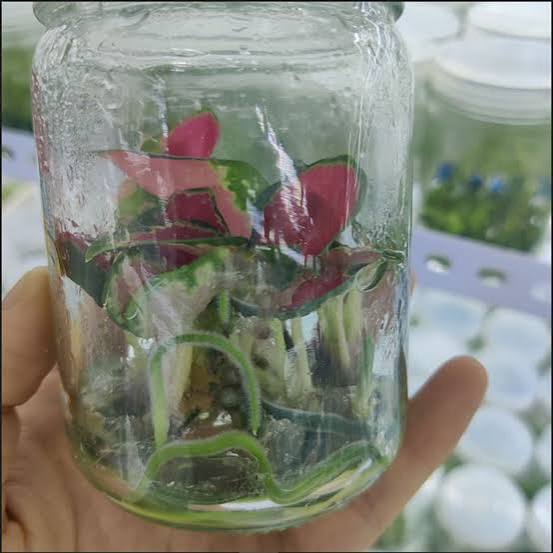

The commercial distribution of tissue culture plants requires careful attention to product quality, handling procedures, and packaging standards. Nurseries, garden centers, agricultural businesses, and plant distributors depend on healthy planting material to maintain successful cultivation operations. Even when plants are produced under controlled laboratory conditions, improper inspection, handling, or transportation can affect their condition before reaching the buyer.
When purchasing Wholesale Tissue Culture Plants, buyers should understand the quality-control procedures and packaging requirements involved in commercial plant distribution. Proper standards help maintain plant health, reduce transportation damage, improve consistency, and support reliable supply arrangements between producers and wholesale customers.
Understanding Quality Control in Tissue Culture Plant Production
Quality control refers to the procedures used to monitor plant development, identify potential problems, and maintain consistent production standards throughout the propagation process.
Tissue culture production involves several stages, beginning with the selection of parent plant material and continuing through multiplication, rooting, and acclimatization. Each stage requires appropriate monitoring to ensure that plantlets develop under suitable conditions.
A comprehensive quality-control system generally focuses on:
- Parent plant selection and identification.
- Laboratory cleanliness and sterilization.
- Nutrient media preparation.
- Contamination prevention.
- Plant growth and development monitoring.
- Root and shoot quality assessment.
- Proper labeling and batch identification.
- Final inspection before packaging.
These procedures help suppliers identify production problems early and maintain suitable standards for commercial distribution.
1. Selection of Healthy Parent Plants
The quality of tissue culture plants begins with the selection of suitable parent material. Healthy parent plants provide the starting tissues used during laboratory propagation.
Suppliers should select parent plants with desirable characteristics, appropriate growth performance, and reliable variety identification.
Important selection criteria include:
- Healthy leaves, stems, and growing points.
- Strong and consistent growth characteristics.
- Accurate species and cultivar identification.
- Absence of visible pest infestations.
- Suitable plant material for laboratory propagation.
Careful selection helps establish a reliable starting point for subsequent production stages.
2. Maintaining Sterile Laboratory Conditions
Sterility is one of the most important requirements in tissue culture production. Bacteria, fungi, and other microorganisms can contaminate growing media and interfere with plant development.
Professional laboratories use controlled procedures to reduce contamination risks.
Common practices include:
Equipment Sterilization
Containers, instruments, and other laboratory equipment must be properly cleaned and sterilized before use.
Surface Disinfection
Plant tissue samples undergo suitable surface sterilization procedures before being introduced into nutrient media.
Controlled Working Environments
Laboratory areas should be maintained according to appropriate hygiene protocols. Specialized equipment, such as laminar airflow cabinets, helps reduce contamination during sensitive handling operations.
Regular Inspection
Cultures should be monitored for unusual discoloration, fungal growth, bacterial contamination, or unexpected changes in plant development.
Consistent hygiene procedures help protect production batches and reduce losses during propagation.
3. Monitoring Plant Growth and Development
Plantlets must be inspected throughout the propagation process to confirm that they are developing appropriately.
Different plant species have different growth characteristics, so quality assessments should consider their specific requirements.
Important growth indicators include:
- Healthy shoot formation.
- Appropriate leaf development.
- Normal coloration.
- Suitable root development.
- Absence of abnormal tissue growth.
- Consistent development within production batches.
Regular monitoring helps laboratories identify weak or abnormal plantlets before they move to the next production stage.
4. Root Quality and Plantlet Assessment
Root development is particularly important because it influences the plant’s ability to absorb water and nutrients after transplantation.
Before packaging, suppliers should evaluate whether plants have reached the appropriate development stage for their intended delivery format.
Which Parts of the Plant Are Best for Tissue Culture and How Should Th – Plant Cell Technology
Tissue Culture Automation – Viscon Group Tissue Culture Automation
10
A suitable plantlet assessment may include:
- Root formation and general appearance.
- Shoot strength and leaf condition.
- Plant size and development stage.
- Signs of tissue damage or decay.
- Variety identification and labeling.
Not every tissue culture plant needs to have the same root structure at shipment. The appropriate condition depends on whether the buyer is receiving laboratory-stage plantlets, rooted plants, or acclimatized specimens.
5. Identifying and Removing Contaminated Plants
Contamination is a significant challenge in tissue culture production because microorganisms can spread within laboratory environments and affect multiple cultures.
Quality-control teams should inspect plantlets and growing containers regularly.
Potential warning signs include:
- Unusual growth on nutrient media.
- Cloudiness or unexpected changes in the culture medium.
- Fungal structures or bacterial films.
- Unusual discoloration.
- Abnormal plant tissue development.
Suspected contaminated cultures should be isolated and managed according to laboratory procedures.
Separating affected material helps reduce the possibility of contamination spreading to healthy production batches.
6. Standardized Grading and Sorting
Before wholesale distribution, tissue culture plants should be sorted according to suitable product specifications.
Grading makes it easier for buyers to understand what they are receiving and helps suppliers organize commercial orders.
Common grading considerations include:
| Quality factor | Inspection requirement |
|---|---|
| Plant size | Appropriate dimensions for the specified variety and stage |
| Leaf condition | Healthy appearance without significant damage |
| Root development | Suitable root formation for the product category |
| Variety identity | Correct species and cultivar labeling |
| Plant condition | No obvious decay or abnormal growth |
| Batch consistency | Similar development within agreed specifications |
Clear grading criteria help establish expectations between suppliers and wholesale buyers.
Packaging Standards for Wholesale Tissue Culture Plants
Packaging is just as important as production quality because young plants can be sensitive to physical pressure, environmental changes, and transportation conditions.
The packaging method should match the plant’s development stage, species, shipping duration, and destination requirements.
1. Sterile Container Packaging
plant tissue culture in the laboratory
Partner with Us | Grow Your Business Today — Microplant Nurseries
Magenta Ga-7 Tissue Culture Containers and Lids – Easy Sourcing on Made-in-China.com
9
Laboratory-stage tissue culture plants are commonly maintained in sterile containers containing nutrient media.
These containers protect the plantlets from external contamination while providing the controlled environment required during early development.
Suitable containers should:
- Provide sufficient space for plant growth.
- Maintain the intended sterile conditions.
- Prevent leakage of nutrient media.
- Offer appropriate protection during handling.
- Be securely closed before transportation.
Container selection should also consider the plant species and expected shipping duration.
2. Tray and Plug Packaging
Partner with Us | Grow Your Business Today — Microplant Nurseries
10
Rooted or acclimatized plants may be supplied in propagation trays or individual plugs.
This format helps organize plants into manageable groups and reduces unnecessary movement during handling.
Tray packaging is particularly useful for commercial nurseries that receive large quantities and transfer plants directly into greenhouse production systems.
Buyers should check that the trays provide suitable support and enough space to prevent damage to leaves and roots.
3. Protective Packaging Materials
Packaging materials should protect plantlets from movement, pressure, and environmental exposure during shipping.
Depending on the product format, suppliers may use:
- Protective plastic containers.
- Secure trays and dividers.
- Cushioning materials.
- Suitable outer cartons.
- Moisture-resistant packaging where appropriate.
The packaging should be strong enough to withstand normal handling while avoiding excessive pressure on delicate plant tissues.
4. Temperature and Humidity Management
Environmental conditions during transportation can influence plant quality.
Some tissue culture plantlets require protection from temperature fluctuations and dehydration, particularly when shipped over long distances.
Packaging arrangements should account for:
- Plant species and environmental sensitivity.
- Plant development stage.
- Expected transit duration.
- Seasonal temperature conditions.
- Transportation and storage arrangements.
Temperature-controlled transportation may be necessary for certain varieties or shipping conditions.
However, packaging should not create excessive moisture accumulation or unsuitable ventilation conditions.
5. Proper Labeling and Identification
Accurate labeling is essential when shipping multiple plant varieties in one wholesale order.
Incorrect identification can create problems for nurseries that need to organize inventory and maintain accurate product records.
Labels should include relevant information such as:
- Botanical plant name.
- Cultivar or variety.
- Batch or production identification.
- Quantity.
- Plant development stage.
- Handling instructions where necessary.
Clear identification helps buyers separate varieties and maintain traceability throughout their cultivation operations.
Transportation and Shipping Considerations
Even well-packaged tissue culture plants can experience stress if transportation arrangements are unsuitable.
Wholesale suppliers should plan shipments carefully, particularly when serving international customers.
Choosing Suitable Shipping Methods
The shipping method should reflect the plant type, packaging format, destination, and expected transit time.
Air freight may be appropriate for certain time-sensitive international shipments, while domestic transportation options depend on distance and delivery infrastructure.
Minimizing Transit Delays
Long transportation periods can increase the risk of environmental stress.
Suppliers and buyers should coordinate shipment dates, customs arrangements, and delivery schedules to reduce unnecessary delays.
Following Import and Export Regulations
International plant shipments may require phytosanitary certificates, import permits, and other documentation.
Requirements vary by destination country, plant species, and applicable agricultural regulations.
Buyers should confirm these requirements before placing orders to prevent avoidable shipping complications.
How Buyers Can Evaluate Supplier Quality Standards
Wholesale buyers should not rely exclusively on product descriptions when selecting tissue culture plant suppliers.
Evaluating the supplier’s quality-control procedures can provide a clearer understanding of its production capabilities.
Request Product Samples
Samples allow buyers to inspect plant condition, packaging quality, variety accuracy, and overall development before committing to larger orders.
Review Production Procedures
Ask suppliers about laboratory hygiene, contamination monitoring, plant inspection, and acclimatization practices.
Check Packaging Methods
Request photographs or explanations of how different plant varieties are prepared for transportation.
Examine Documentation
Check whether the supplier provides appropriate product specifications, batch information, and relevant plant-health documents.
Evaluate Customer Feedback
Reviews and references from previous commercial buyers can provide useful information about product consistency, delivery performance, and customer support.
Common Quality Control and Packaging Mistakes to Avoid
Several mistakes can affect plant condition and create unnecessary problems during wholesale distribution.
Inadequate Sterilization
Poor laboratory hygiene can increase contamination risks and reduce the quality of production batches.
Incorrect Plant Grading
Mixing plants with significantly different development stages can create confusion and make inventory management more difficult.
Unsuitable Containers
Containers that leak, break, or fail to provide sufficient protection may damage plantlets during transportation.
Poor Environmental Management
Exposure to unsuitable temperatures or humidity conditions can negatively affect sensitive plants.
Inaccurate Labeling
Incorrect plant names or missing batch information can lead to identification problems after delivery.
Insufficient Shipment Planning
Failure to coordinate shipping schedules, documentation, and receiving arrangements may result in unnecessary delays.
Avoiding these issues requires cooperation between producers, packaging teams, logistics providers, and wholesale buyers.
The Importance of Continuous Quality Improvement
Quality control should not end when plants are packaged. Suppliers need to evaluate production performance regularly and identify opportunities to improve their procedures.
Useful quality-management practices include maintaining batch records, reviewing contamination rates, monitoring customer feedback, and evaluating transportation-related losses.
Suppliers can also improve packaging specifications by examining the condition of plants after delivery and identifying recurring problems.
Businesses researching commercial sourcing options can explore Young Plants when comparing wholesale plant suppliers and evaluating their product handling and quality requirements.
Developing clear quality expectations between suppliers and buyers can support more dependable long-term business relationships.
Future Developments in Tissue Culture Packaging and Quality Management
The tissue culture industry continues to adopt new technologies and production practices to improve plant quality and distribution efficiency.
Several developments are influencing the sector:
Laboratory automation: Automated equipment can improve consistency in certain propagation and handling activities.
Advanced monitoring systems: Better environmental monitoring can help laboratories identify changes in temperature, humidity, and contamination risks.
Improved packaging materials: Packaging innovations may provide better protection while reducing unnecessary material use.
Digital traceability: Digital records can make it easier to track production batches, product specifications, and shipment information.
Sustainable packaging: Suppliers are increasingly exploring packaging options that balance plant protection with reduced environmental impact.
These developments can help improve production management and support more efficient wholesale plant distribution.
Conclusion
Quality control and packaging standards are essential for maintaining the condition of wholesale tissue culture plants throughout production, storage, and transportation. From laboratory sterilization and plantlet inspection to container selection, protective packaging, and accurate labeling, every stage contributes to successful commercial distribution.
For wholesale buyers, understanding these standards makes it easier to evaluate suppliers, compare product quality, and prepare suitable receiving facilities.
By working with suppliers that follow appropriate production and packaging procedures, commercial nurseries and plant distributors can reduce avoidable losses, improve inventory management, and establish more reliable plant sourcing operations.