
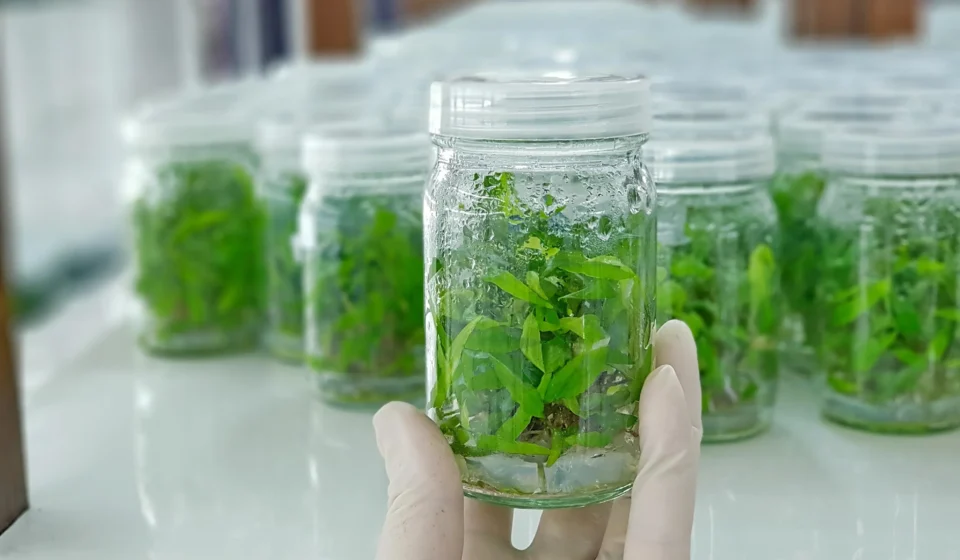
How Wholesale Tissue Culture Tropical Plants Create Opportunities for Growing Plant Businesses

The tropical plant market continues to attract interest from garden centers, online retailers, plant nurseries, and independent growers. As customer demand expands, businesses need reliable ways to source attractive plants, maintain consistent inventory, and introduce new varieties without making production unnecessarily complicated. Tissue culture propagation offers a practical supply option that can support these goals.
For businesses looking to broaden their product range, Wholesale Tissue Culture Tropical Plants provide access to young plants that can be grown, acclimatized, and prepared for different sales channels. This sourcing approach can help nurseries and retailers plan production more effectively while exploring opportunities in the growing tropical plant market.
Expanding Product Selection to Reach More Customers
A diverse product range helps plant businesses serve customers with different interests, budgets, and growing environments. Some buyers look for familiar foliage plants for home decoration, while others seek unusual varieties for collections, landscaping projects, or retail displays.
Tissue culture sourcing can make it easier for businesses to explore a broader selection of tropical plants. Depending on supplier availability, nurseries may consider varieties such as:
- Monstera and Philodendron for decorative foliage collections
- Alocasia for customers interested in distinctive leaf shapes
- Anthurium for ornamental foliage and flowering plant markets
- Calathea and other foliage plants for indoor gardening ranges
- Other tropical varieties suited to local growing conditions
Offering a carefully selected range can help businesses reach different customer groups and respond to changing market preferences.
Supporting More Predictable Inventory Planning
Inventory management is a major challenge for growing plant businesses. Overstocking can increase maintenance costs and occupy valuable greenhouse space, while insufficient stock can lead to missed sales opportunities.
Tissue culture plants provide a starting point for more structured production planning. Businesses can organize incoming batches around available growing space, expected development periods, and anticipated customer demand.
A practical inventory plan should consider:
- Expected delivery dates and batch quantities
- Available greenhouse or nursery capacity
- Acclimatization and growing requirements
- Estimated time before plants become market-ready
- Seasonal demand and sales forecasts
These details help growers coordinate purchasing with production schedules instead of relying entirely on last-minute restocking.
Creating Opportunities for Nursery Expansion
Starting or expanding a nursery often requires balancing investment, available space, labor, and production capacity. Tissue culture plants can offer businesses another way to build inventory without depending exclusively on maintaining their own propagation facilities.
New growers may begin with a manageable selection of varieties and increase order quantities as they gain experience. Established nurseries can use additional plant lines to diversify their offerings or test customer interest before making larger commitments.
However, expansion should be based on realistic production capacity. Businesses need suitable growing environments, trained staff, and enough time to manage young plants through acclimatization and development.
Building Value Through Plant Quality and Presentation
Customers often judge a plant business by the condition and appearance of its products. Healthy foliage, well-developed roots, and consistent presentation can influence purchasing decisions and encourage repeat business.
Tissue culture plants generally require a transition from laboratory conditions to a nursery or greenhouse environment. During this stage, careful handling and suitable growing conditions are essential.
Businesses should establish procedures for:
- Inspecting plants immediately after delivery
- Removing damaged or unsuitable material
- Maintaining appropriate humidity and airflow
- Providing suitable light and temperature
- Monitoring moisture levels and root development
- Recording growth progress before sale
Once plants are established, consistent grading, labeling, and presentation can help create a more professional customer experience.
Reaching Online and Wholesale Markets
Digital sales channels have created additional opportunities for nurseries and plant retailers. Businesses can use websites, social media, and online marketplaces to reach customers beyond their immediate geographic areas.
A wider product selection can support more engaging online catalogs, but successful selling also requires accurate product information. Listings should include clear photographs, plant descriptions, size details, and relevant care guidance.
Wholesale customers may prioritize batch consistency, availability, and delivery arrangements. Individual buyers may be more interested in appearance, growing difficulty, and suitability for indoor spaces. Understanding these differences allows businesses to adapt their product information and sales approach to each audience.
Managing Costs and Supplier Relationships
Growing a plant business requires attention to the full cost of bringing products to market. The purchase price is only one part of the calculation. Freight, import requirements, packaging, growing media, labor, greenhouse space, and plant losses can all affect profitability.
Before placing a bulk order, businesses should review supplier information and clarify important details, including:
- Available varieties and minimum order quantities
- Plant size and condition at dispatch
- Packaging methods and shipping arrangements
- Expected delivery schedules
- Documentation and import requirements
- Guidance for handling and acclimatization
Starting with a suitable order size can help businesses evaluate plant quality and supplier reliability before increasing purchasing commitments. Maintaining clear communication with suppliers also makes it easier to coordinate future orders and respond to changes in demand.
Reducing Business Risk Through Gradual Growth
Expanding too quickly can place pressure on staff, facilities, and cash flow. A gradual approach allows businesses to test new varieties, understand local customer preferences, and improve production methods before committing to larger volumes.
For example, a nursery could introduce a small selection of tropical foliage plants, track which varieties attract the most interest, and use sales data to guide its next order. This approach provides useful information about customer demand while limiting the risk of carrying too much slow-moving inventory.
Businesses should also consider seasonal conditions, transportation risks, and the time required to establish young plants. Careful planning is particularly important when sourcing plants from overseas suppliers.
Developing a Sustainable Long-Term Business Strategy
Long-term growth depends on more than increasing the number of plants available for sale. Successful businesses also need reliable processes, knowledgeable staff, strong customer relationships, and a clear understanding of their target market.
Tissue culture sourcing can become one part of a broader strategy that includes:
- Market research: Identify popular tropical plant categories and underserved customer groups.
- Supplier evaluation: Compare product information, communication, shipping practices, and order requirements.
- Production planning: Match incoming quantities with available growing space and labor.
- Quality management: Establish consistent inspection and acclimatization procedures.
- Sales development: Use customer feedback and sales records to refine the product range.
Reviewing these areas regularly helps businesses make informed decisions as their operations develop.
Conclusion
Wholesale tissue culture tropical plants can create opportunities for nurseries, garden centers, and plant retailers by supporting product diversification, more organized inventory planning, and access to a wider range of tropical varieties. Their value depends on selecting suitable suppliers and managing the growing process carefully after delivery.
With realistic purchasing plans, effective acclimatization procedures, and a clear understanding of customer demand, plant businesses can use tissue culture sourcing as part of a practical strategy for steady and sustainable growth.