
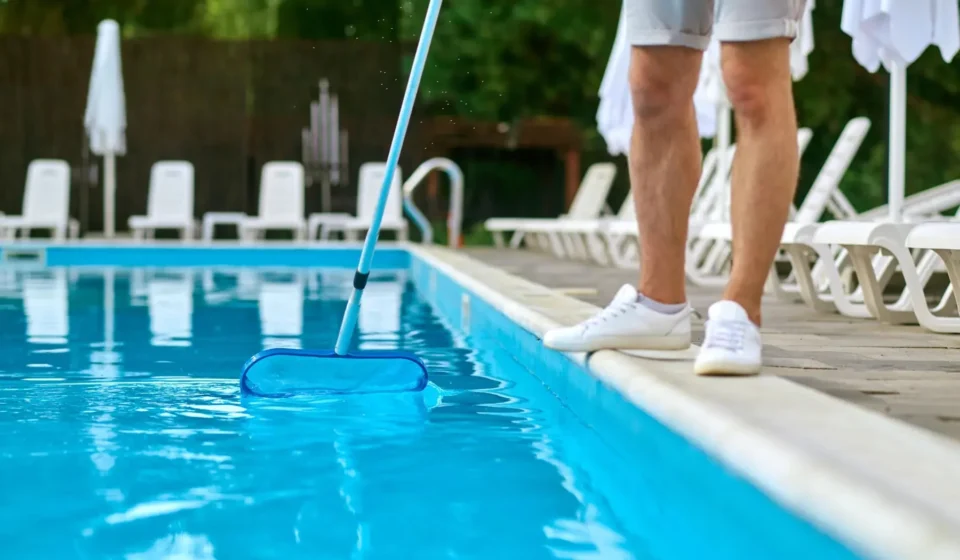

Swimming pools are valuable amenities in hotels, resorts, fitness centers, residential complexes, and other commercial properties. They provide opportunities for recreation, exercise, and relaxation while contributing to the overall guest experience. However, designing and managing a commercial swimming pool requires careful consideration of capacity, safety, operating costs, and maintenance demands.
Choosing suitable Swimming Pool Solutions helps property owners and facility managers develop pools that meet their operational requirements and fit their available space. From compact pools in boutique hotels to expansive recreational facilities at resorts, the right approach balances functionality, durability, and long-term efficiency.
Understanding the Needs of Commercial Swimming Pools
Commercial swimming pools differ from residential installations because they often accommodate more users and experience heavier daily use. Their design must account for peak occupancy, accessibility, water circulation, sanitation, and the availability of trained maintenance personnel.
Hotels may prioritize guest comfort and visual appeal, while fitness centers often focus on exercise and consistent operating conditions. Resorts may need multiple pool areas for different age groups, and residential complexes may require facilities that serve a diverse community.
Understanding the intended audience and expected usage helps determine the appropriate pool dimensions, depth, circulation capacity, and supporting equipment before construction begins.
Custom Pool Designs for Different Commercial Properties
A successful commercial pool should reflect the property’s purpose, architectural style, and available space. Customization allows designers to address practical requirements without sacrificing the overall experience.
Hotels and Boutique Accommodations
Hotels often use swimming pools as part of their guest amenities. A thoughtfully designed pool can complement outdoor dining areas, landscaped courtyards, rooftop terraces, or wellness facilities.
In properties with limited space, compact pools can provide recreational benefits without dominating the available area. Design considerations may include comfortable access, attractive finishes, appropriate lighting, and seating arrangements that allow guests to relax nearby.
Resorts and Leisure Destinations
Resorts may require larger pools, multiple swimming areas, and features that accommodate different activities. Separate zones for adults, children, and recreational use can help organize the space and improve the guest experience.
Landscaping, shaded seating, and clear circulation routes can make these facilities more comfortable. Designers should also consider crowd management, visibility for supervision, and access to essential safety equipment.
Fitness Centers and Wellness Facilities
Fitness centers generally place greater emphasis on functionality and consistent performance. Pools used for swimming workouts, aquatic exercise, or rehabilitation-related activities may require particular dimensions, water depths, temperature controls, and accessibility features.
Efficient filtration, reliable circulation, and suitable heating systems can help maintain the conditions needed for regular use. Equipment selection should reflect operating hours and the number of users expected throughout the day.
Residential Complexes and Shared Facilities
Apartment buildings, condominiums, and planned communities often provide pools as shared amenities. These facilities must accommodate varied swimming abilities while remaining manageable for property managers.
Appropriate access controls, safety barriers, clear rules, and scheduled maintenance can help support responsible use. The pool layout should also provide sufficient space for circulation around the water and convenient access for service personnel.
Essential Features of Commercial Swimming Pools
Commercial pool design involves more than choosing a shape and finish. Supporting systems and practical features determine how reliably the facility operates over time.
Efficient Filtration and Water Circulation
Commercial pools require filtration and circulation systems designed for their water volume and expected usage. Equipment must be selected according to applicable health requirements, operating conditions, and manufacturer specifications.
Proper circulation supports consistent treatment throughout the pool, while regular filter maintenance helps preserve water clarity. Monitoring pressure, flow rates, and equipment performance can also reveal problems that might otherwise affect daily operations.
Water Treatment and Sanitation
Maintaining suitable water quality is essential in facilities used by numerous people. Operators need reliable procedures for testing sanitizer levels, pH, and other relevant water parameters.
Automated monitoring and dosing systems may help maintain consistency, but they do not eliminate the need for inspections, calibration, and manual verification where required. Operators should follow local public health regulations and established procedures for responding to water-quality problems.
Clear records of testing, chemical adjustments, and maintenance activities help demonstrate that the facility is being managed responsibly.
Heating, Ventilation, and Climate Control
Indoor commercial pools require particular attention to temperature and humidity. Excess moisture can damage building materials, create uncomfortable conditions, and contribute to condensation.
Appropriate heating, ventilation, and dehumidification systems help maintain the indoor environment. For outdoor pools, heating requirements depend on local climate, operating schedules, and the desired swimming season.
Selecting efficient equipment at the design stage can help reduce energy consumption while supporting comfortable conditions.
Prioritizing Safety and Accessibility
Safety is a fundamental requirement for every commercial swimming pool. Facilities must be designed and operated with appropriate measures for the expected users, local regulations, and the specific risks associated with the site.
Important considerations include slip-resistant walking surfaces, secure access points, visible depth markings, suitable barriers, and clearly identified emergency equipment. Pools serving children may require additional separation and supervision measures.
Accessibility should also be considered from the beginning. Depending on the facility and applicable requirements, features may include accessible routes, handrails, pool lifts, and suitable changing facilities.
Staff training and emergency procedures are equally important. Commercial operators should establish clear responsibilities for supervision, incident response, equipment checks, and routine safety inspections.
Maintenance Strategies for Commercial Pool Facilities
Because commercial pools may operate for extended hours, maintenance should be organized around a consistent schedule. Reactive repairs alone are rarely sufficient for facilities that depend on reliable daily operation.
A preventive maintenance program may include:
- Testing and recording water chemistry at the required intervals.
- Cleaning pool surfaces, skimmers, and surrounding areas.
- Inspecting pumps, filters, heaters, valves, and visible plumbing.
- Checking safety equipment, barriers, signage, and access systems.
- Reviewing water circulation and equipment performance.
- Scheduling professional inspections and servicing according to manufacturer guidance.
Maintenance frequency should reflect the facility’s size, bather load, environmental conditions, and applicable regulations. Staff should also know when a pool must be closed because of unsafe water conditions, equipment failure, or another significant hazard.
Improving Energy Efficiency and Controlling Costs
Energy and water expenses can represent a substantial part of commercial pool operating budgets. Careful equipment selection and consistent maintenance can help control these costs without compromising hygiene or safety.
Variable-speed pumps, efficient heating systems, suitable pool covers, and well-designed circulation systems may reduce unnecessary energy use. Indoor facilities can also benefit from properly managed ventilation and dehumidification.
Water conservation measures include identifying leaks promptly, reducing avoidable evaporation, and maintaining equipment in good condition. Any water-saving measure must remain compatible with sanitation requirements and safe pool operation.
Facility managers should evaluate lifetime costs rather than focusing exclusively on initial installation prices. Equipment efficiency, maintenance needs, expected service life, and replacement expenses all contribute to the overall investment.
Planning a Commercial Pool Installation
Installing a commercial pool requires coordination among designers, contractors, engineers, and facility operators. Early planning helps identify structural constraints, utility requirements, drainage needs, and construction access.
The project budget should account for the pool structure, circulation and treatment equipment, electrical systems, safety features, surrounding surfaces, permits, and commissioning. Indoor installations may require additional investment in moisture control and building systems.
Before construction starts, property owners should confirm the applicable permits and technical standards. They should also establish who will be responsible for routine operation, recordkeeping, cleaning, and equipment servicing once the pool opens.
A well-defined plan reduces the risk of overlooking essential requirements and helps the finished facility support its intended use.
Selecting the Right Commercial Pool Partner
Choosing a qualified pool contractor or service provider is an important part of the project. Commercial facilities have requirements that may differ considerably from those of residential pools, so relevant experience matters.
Property owners should review previous projects, technical qualifications, equipment recommendations, maintenance capabilities, and compliance practices. Detailed proposals should clearly identify the work included, expected timelines, warranties, and any additional charges.
It is also useful to discuss ongoing service arrangements before installation is complete. Having a practical maintenance plan in place can help prevent operational disruptions and clarify responsibilities between facility management and service providers.
Conclusion
Swimming pools can provide significant recreational and practical benefits for hotels, resorts, fitness centers, and other commercial properties. Achieving reliable performance requires a coordinated approach to design, installation, water treatment, safety, and ongoing maintenance.
By evaluating user needs, selecting appropriate equipment, prioritizing accessibility, and planning for long-term operating costs, property owners can create facilities that remain functional and welcoming. Professional planning combined with consistent management helps commercial swimming pools deliver lasting value while supporting a safe and enjoyable experience for their users.