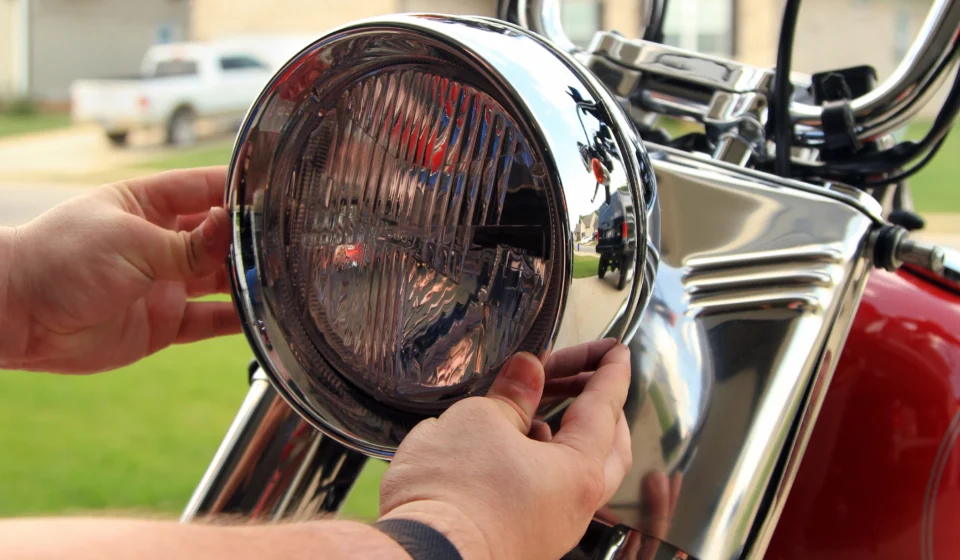

A motorcycle headlight is one of the most important components of a bike’s lighting system. It helps riders see the road ahead, identify potential hazards, and remain visible to other road users. Whether commuting through busy city streets, traveling on highways, or riding along poorly illuminated rural roads, having a suitable headlight can make a significant difference to visibility and riding confidence.
Modern lighting technology offers several options, including traditional halogen bulbs, HID systems, and LED assemblies. When choosing a Motorcycle Headlight, riders should consider brightness, beam pattern, compatibility, durability, electrical requirements, and road-use regulations. Understanding these factors makes it easier to select a headlight that meets practical riding needs without compromising the safety of other road users.
Why Motorcycle Headlights Are Important
Motorcycle headlights serve two primary purposes: illuminating the road and making the motorcycle easier for others to recognize.
Unlike larger vehicles, motorcycles have a relatively small visual profile. Effective lighting helps improve their visibility in different traffic and weather conditions.
Key functions include:
- Road illumination: Helps riders identify obstacles, road markings, curves, and other hazards.
- Vehicle recognition: Makes motorcycles more noticeable to approaching and surrounding traffic.
- Nighttime visibility: Provides essential illumination when natural light is limited.
- Weather-related visibility: Helps maintain useful lighting during cloudy conditions, rain, and reduced visibility.
- Traffic communication: Works alongside turn signals and other lights to communicate a rider’s intentions.
A properly functioning headlight is therefore important for both active visibility and overall road safety.
Common Types of Motorcycle Headlights
Motorcycle headlights are available in different technologies and designs. Each type has its own characteristics, advantages, and limitations.
1. Halogen Headlights
Halogen headlights use a heated filament inside a gas-filled bulb to produce light. They have traditionally been common on motorcycles because they are relatively affordable and widely available.
Advantages:
- Generally low initial purchase cost.
- Easy availability of replacement bulbs.
- Compatibility with many original motorcycle lighting systems.
- Straightforward replacement in suitable housings.
Limitations:
- Higher power consumption than comparable LED options.
- More energy converted into heat.
- Generally shorter operating life than quality LED systems.
Halogen headlights remain a practical choice for riders who prefer conventional technology and straightforward maintenance.
2. LED Motorcycle Headlights
LED headlights use light-emitting diodes to produce illumination through semiconductor technology.
They have become increasingly popular because of their energy efficiency, compact design options, and potential for controlled beam distribution.
Advantages:
- Generally lower power consumption.
- Long potential operating life.
- Rapid illumination.
- Multiple design and color-temperature options.
- Modern appearance.
Limitations:
- Higher initial cost for some assemblies.
- Dependence on effective heat management.
- Compatibility concerns with certain original housings.
- Possible need for adapters or electrical adjustments.
A purpose-designed LED headlight is generally preferable to an incompatible bulb conversion that may produce poor beam distribution.
3. HID Headlights
High-intensity discharge headlights generate light through an electrical arc inside a gas-filled bulb. They have been used in some vehicle lighting systems where substantial light output is required.
Advantages:
- High potential light output.
- Efficient operation compared with some traditional lighting technologies.
- Useful illumination when paired with suitable optics.
Limitations:
- Require additional electronic components such as ballasts.
- Installation can be more complex.
- May need time to reach full brightness.
- Compatibility and road approval must be verified.
HID systems should be selected only when the motorcycle’s electrical and optical setup supports them.
4. Projector Headlights
Projector headlights use lenses and optical components to control the direction of light.
They can be designed around LED, HID, or other light sources. Their main purpose is to provide controlled light distribution rather than simply increasing brightness.
A well-designed projector assembly can offer a defined beam pattern, but actual performance depends on the complete optical system and correct installation.
5. Reflector Headlights
Reflector headlights use shaped reflective surfaces to distribute light onto the road.
They are common in many original motorcycle lighting assemblies. Their performance depends on the reflector geometry and the position of the light source.
When upgrading a reflector housing to LED, riders should verify that the replacement light source is compatible with the original optical design.
Important Features to Consider When Choosing a Motorcycle Headlight
Selecting the right headlight requires evaluating several technical characteristics.
Brightness and Lumen Output
Lumens measure the total visible light emitted by a light source. Manufacturers often use lumen ratings to describe headlight brightness.
However, a higher lumen figure does not automatically mean better road visibility. Light distribution, beam focus, and glare control are equally important.
Look for clear information about low-beam and high-beam performance instead of relying entirely on advertised brightness.
Beam Pattern and Focus
Beam pattern determines how light is distributed across the road.
A suitable low beam should provide useful forward illumination while limiting excessive light directed toward oncoming traffic. High beams should offer additional distance when road conditions and regulations permit their use.
Important characteristics include:
- A well-defined low-beam cutoff where required.
- Balanced road coverage.
- Controlled glare.
- Effective high-beam illumination.
- Consistent performance after installation.
Incorrectly positioned bulbs or unsuitable replacement assemblies can produce scattered light and reduce visibility for other drivers.
Color Temperature
Color temperature is measured in kelvin and describes the appearance of the emitted light.
Common options include:
- Warm white: Produces a softer, warmer appearance.
- Neutral white: Provides a balanced white tone.
- Cool white: Creates a more contemporary, bluish-white appearance.
Color temperature should not be confused with brightness. A cooler-looking light is not necessarily more effective in poor weather or at night.
Power Consumption
A motorcycle’s electrical system has a defined capacity. Before upgrading the headlight, compare its power requirements with those of the original lighting system.
LED headlights generally consume less power than comparable halogen systems, but the actual difference depends on the products being compared.
Riders who have installed multiple accessories should consider the total electrical demand.
Heat Management
LED headlights generate heat at their semiconductor and electronic components.
A suitable thermal design may include aluminum heat sinks, cooling fans, or other heat-dissipation structures. These components help maintain operating temperatures within the manufacturer’s specifications.
Check the available installation space, particularly when selecting a headlight with a rear-mounted cooling fan.
Weather Resistance
Motorcycles operate in environments where lighting assemblies may encounter rain, dust, road spray, and vibration.
Look for durable housings, sealed connectors, and documented ingress protection ratings. Environmental protection should be appropriate for the intended riding conditions.
How to Select the Right Headlight for Your Motorcycle
A suitable headlight should match the motorcycle’s design, electrical system, and typical riding environment.
Confirm the Motorcycle Model and Year
Start by identifying the exact motorcycle manufacturer, model, and production year.
Different versions may use different:
- Headlight diameters.
- Mounting brackets.
- Connector types.
- Wiring arrangements.
- Electrical specifications.
- Original reflector or projector configurations.
A product advertised as compatible with a particular motorcycle brand may not fit every model.
Consider Your Riding Environment
Your normal riding conditions should influence the type of headlight you select.
City commuting: Prioritize controlled low-beam performance and visibility in traffic.
Highway travel: Consider effective forward illumination and dependable high-beam operation.
Rural riding: Look for suitable road coverage where street lighting is limited.
Adventure riding: Give additional attention to vibration resistance, weather protection, and secure mounting.
Occasional recreational riding: Balance practical performance with appearance, cost, and installation requirements.
Review Product Specifications
Before purchasing, examine the manufacturer’s technical documentation.
Useful details include:
- Lumen output.
- Color temperature.
- Operating voltage.
- Power consumption.
- Beam pattern.
- Heat management design.
- Weather resistance.
- Mounting dimensions.
- Warranty coverage.
Clear specifications make it easier to compare products objectively.
Check Legal Requirements
Motorcycle lighting regulations vary between countries and regions.
Requirements may cover headlight color, brightness, beam alignment, approval markings, and permitted lighting configurations.
An off-road lighting product may not be approved for public-road use. Confirm that the selected headlight meets the requirements of the location where the motorcycle will be operated.
Understanding Motorcycle Headlight Compatibility
Compatibility involves more than whether a headlight physically fits into the mounting space.
Physical Fitment
Check the diameter, depth, mounting points, and available clearance around the headlight housing.
Some LED assemblies have larger rear heat sinks or cooling fans that may interfere with nearby motorcycle components.
Electrical Connections
Confirm the connector type, polarity, voltage, and wiring arrangement.
Some LED conversions may require compatible adapters or additional electronic components. Avoid cutting or modifying original wiring without understanding the motorcycle’s electrical system.
Optical Compatibility
The light source must work correctly with the reflector or projector assembly.
An LED bulb that physically fits a halogen housing may not reproduce the original beam pattern. This can create glare or poor road illumination.
For this reason, a complete headlight assembly designed for the intended motorcycle can be a more suitable option than an unsuitable bulb-only conversion.
Motorcycle Headlight Installation Tips
Proper installation helps ensure reliable operation and correct light alignment.
- Read the manufacturer’s instructions: Review the installation process and compatibility requirements before beginning.
- Disconnect the battery when required: Follow the motorcycle manufacturer’s electrical safety procedures.
- Inspect the original wiring: Check for corrosion, damaged insulation, and loose connectors.
- Verify the mounting arrangement: Ensure that the new assembly fits securely without interfering with surrounding components.
- Connect the wiring correctly: Follow the specified polarity and connector arrangement.
- Secure all fasteners: Tighten mounting hardware according to the manufacturer’s instructions.
- Test every function: Confirm that low beam and high beam operate correctly.
- Adjust the beam: Align the headlight according to the manufacturer’s guidance and local requirements.
If the installation requires complex wiring changes or electronic modifications, consider using a qualified motorcycle technician.
Common Motorcycle Headlight Problems
Even a quality lighting system can develop problems over time.
Flickering or Intermittent Operation
Flickering may result from loose connectors, damaged wiring, unstable electrical supply, or a failing LED driver.
Inspect the electrical connections and charging system before replacing the entire headlight.
Dim Lighting
Reduced brightness can be caused by a dirty lens, damaged reflector, electrical problems, or deterioration of the lighting assembly.
Cleaning the lens and checking the electrical system may help identify the cause.
Condensation Inside the Housing
Moisture inside a headlight may indicate a sealing problem or condensation associated with temperature changes.
Persistent water accumulation should be investigated because it can affect electrical components and optical performance.
Incorrect Beam Alignment
A headlight positioned too high may create glare for oncoming drivers, while one positioned too low can reduce the rider’s forward visibility.
Check alignment after installation, suspension adjustments, or front-end maintenance.
Maintenance Tips for Better Headlight Performance
Regular inspection can help maintain reliable lighting.
- Clean the headlight lens using a soft cloth and suitable cleaning product.
- Inspect mounting brackets and fasteners for looseness.
- Check connectors for corrosion and moisture.
- Look for cracks or damage to the housing.
- Test high-beam and low-beam functions.
- Inspect wiring for wear or exposed conductors.
- Recheck beam alignment after relevant motorcycle repairs.
Follow the manufacturer’s maintenance recommendations and address unusual flickering, heating, or moisture problems promptly.
Conclusion
Motorcycle headlights are essential for road illumination, rider visibility, and communication with other road users. Halogen, LED, HID, projector, and reflector-based systems each offer different characteristics, making it important to select a design that suits the motorcycle and its intended use.
Before purchasing a replacement, verify model compatibility, beam quality, brightness, electrical requirements, weather resistance, and road-use approval. Proper installation and alignment are equally important for achieving effective illumination without excessive glare. By evaluating these factors, riders can choose a motorcycle headlight that delivers dependable performance and supports safer riding in different conditions.