
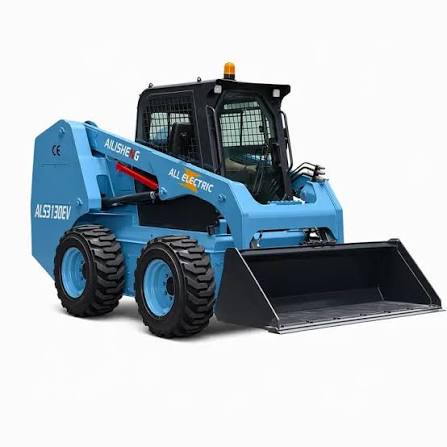

Regular maintenance is essential for keeping construction equipment safe, efficient, and dependable. Electric-powered machinery has fewer engine-related service requirements than conventional diesel equipment, but it still needs consistent inspections and proper care to maintain performance over time. Battery health, hydraulic components, tires or tracks, and electrical systems all influence how reliably a machine operates.
An Electric Skid Steer Loader can support material handling, construction, landscaping, and other demanding tasks when maintained according to the manufacturer’s recommendations. Understanding the correct maintenance procedures helps operators identify problems early, reduce unexpected downtime, and protect their equipment investment.
Why Regular Maintenance Matters for Electric Skid Steer Loaders
Electric skid steer loaders rely on several interconnected systems to perform daily work. Although their electric powertrains eliminate certain diesel-engine maintenance tasks, other components remain exposed to dust, vibration, heavy loads, and repeated movement.
A structured maintenance routine offers several benefits:
- Improved reliability: Regular inspections help identify wear and developing faults before they cause breakdowns.
- Consistent performance: Properly maintained hydraulic and drive systems support predictable operation.
- Longer component life: Timely servicing can reduce unnecessary wear on tires, tracks, attachments, and moving parts.
- Better safety: Inspections help identify damaged hoses, faulty controls, and insecure attachments.
- Lower unexpected expenses: Early repairs may prevent minor problems from developing into more serious failures.
Maintenance requirements differ between models, so operators should use the machine’s official service schedule as their primary reference.
1. Inspect the Machine Before Every Shift
A pre-operation inspection is one of the simplest ways to maintain an electric skid steer loader. It allows operators to identify visible problems before starting work.
Begin by walking around the machine and checking for damage, leaks, loose components, or unusual wear. Inspect the tires or tracks, lift arms, attachment connections, hydraulic hoses, and visible electrical cables.
The operator should also confirm that safety guards, warning devices, restraints, and control systems are functioning correctly.
Before moving the machine, check the instrument display for battery warnings, fault indicators, or other alerts. Any problem that could affect safe operation should be addressed before the loader is used.
2. Maintain Battery Health
The battery is one of the most important components of an electric skid steer loader. Its condition affects available operating time, charging behavior, and long-term equipment costs.
Follow Recommended Charging Procedures
Use only charging equipment approved for the machine. Follow the manufacturer’s instructions regarding charging duration, charge limits, temperature, and storage.
Avoid using damaged cables or incompatible chargers. Charging should take place in an appropriate location with suitable electrical protection and ventilation where required by the equipment specifications.
Monitor Battery Performance
Pay attention to changes in runtime, charging behavior, and battery warning indicators. A sudden reduction in operating time may indicate a battery issue, but other factors, such as heavier workloads or hydraulic problems, can also increase energy consumption.
If unusual warnings or repeated charging faults appear, arrange an inspection by a qualified technician.
Protect the Battery From Extreme Conditions
High and low temperatures can affect battery performance and charging safety. Operate, charge, and store the machine within the temperature limits specified by its manufacturer.
Never open a high-voltage battery enclosure or attempt an unqualified battery repair. Damaged batteries require careful handling and appropriate technical support.
3. Check the Hydraulic System Regularly
Many electric skid steer loaders use hydraulic systems to raise and lower lift arms, tilt buckets, and operate attachments. Hydraulic performance directly influences the machine’s ability to complete demanding tasks.
Inspect hydraulic hoses, fittings, cylinders, and visible connections for leaks, cracks, abrasion, or other damage. Check fluid levels and replace hydraulic filters according to the manufacturer’s maintenance schedule.
Slow lifting, unusual noises, or inconsistent attachment movement may indicate a hydraulic problem. These symptoms should be investigated instead of ignored.
Never use your hands to search for hydraulic leaks. Pressurized fluid can penetrate the skin and cause serious injuries. Shut down the machine and follow the prescribed safety procedures before inspection or repair.
4. Clean the Machine After Use
Dust, mud, gravel, and construction debris can accumulate around moving parts and electrical enclosures. Regular cleaning helps prevent material buildup from interfering with operation or hiding developing problems.
Remove loose debris from the operator area, lift arms, attachment mounting points, and other accessible surfaces. Follow the manufacturer’s instructions when cleaning around battery compartments, electrical connections, cooling systems, and sensitive components.
Avoid directing high-pressure water at electrical connectors, battery enclosures, or other areas where water intrusion could cause damage. Allow the machine to be safely shut down before cleaning and never bypass electrical safety precautions.
A clean machine is also easier to inspect because cracks, fluid leaks, and loose components are more visible.
5. Inspect Tires, Tracks, and the Undercarriage
Tires or tracks influence traction, stability, maneuverability, and energy consumption. Their condition can affect productivity as well as operator safety.
For wheeled machines, check tire pressure according to the manufacturer’s specifications and inspect the tires for cuts, excessive wear, or embedded debris.
For tracked models, inspect the tracks, rollers, and related components for damage, abnormal wear, or incorrect tension. Track tension and adjustment procedures vary by machine, so use the approved maintenance instructions.
Also check the undercarriage for accumulated mud, stones, and debris. Cleaning and inspection can help identify problems before they lead to costly repairs.
6. Examine the Electric Drive System
Electric motors and drive components require less routine servicing than many conventional diesel-engine systems, but they still need proper inspection.
Monitor the machine for unusual vibration, abnormal noise, reduced travel performance, or repeated warning messages. Keep accessible cooling passages and ventilation areas clear according to the manufacturer’s instructions.
Do not open motor housings, electrical cabinets, or high-voltage components unless qualified and authorized to do so. Electrical-system diagnosis and repairs should be handled by appropriately trained technicians.
Maintaining clear service records can help technicians identify recurring faults and determine whether a problem is related to the drive system, battery, or another component.
7. Maintain Attachments and Lift Arms
Attachments are essential to the versatility of a skid steer loader, but they also introduce additional wear points. A damaged attachment or loose connection can reduce productivity and create serious safety risks.
Before use, inspect the attachment mounting system, locking mechanisms, pins, cutting edges, and other components relevant to the tool.
For hydraulic attachments, check hoses and couplings for visible damage and confirm that connections are secure. Make sure the attachment is approved for the machine’s hydraulic specifications and rated capacity.
Lift arms, pivots, and related moving parts should be inspected according to the manufacturer’s lubrication and service requirements. Never work beneath raised lift arms unless the prescribed mechanical support and safety procedures are in place.
8. Follow a Preventive Maintenance Schedule
Preventive maintenance helps ensure that essential service tasks are completed before excessive wear or damage occurs. The schedule should reflect operating hours, working conditions, and the manufacturer’s recommendations.
A practical framework is shown below.
| Maintenance frequency | Recommended checks |
|---|---|
| Before each shift | Inspect tires or tracks, attachments, visible hoses, safety systems, and warning indicators |
| After daily use | Remove debris, report faults, and connect the machine to charging equipment as instructed |
| At scheduled service intervals | Inspect hydraulic components, lubricate specified points, and check wear items |
| At manufacturer-defined intervals | Complete detailed electrical, battery, drive-system, and hydraulic inspections |
| Before long-term storage | Clean the machine and follow prescribed battery charge, isolation, and storage procedures |
These intervals are general guidelines rather than a replacement for the official maintenance schedule. Dusty sites, heavy workloads, and harsh operating conditions may require more frequent inspections.
9. Check Safety Systems and Operator Controls
Safety equipment must remain functional throughout the machine’s service life. A faulty control or warning system can expose operators and nearby workers to unnecessary risks.
Check seat belts, restraint systems, interlocks, warning alarms, lights, and emergency shutdown functions as specified by the manufacturer.
Inspect the operator station for damaged switches, loose controls, or unreadable safety labels. Confirm that the operator can see the working area and understand all displayed warnings.
If a safety-related fault is detected, stop using the machine until the problem has been assessed and corrected according to the manufacturer’s procedures.
10. Store the Loader Correctly
Proper storage protects equipment from unnecessary environmental exposure and helps maintain battery condition when the machine is not in use.
Whenever possible, park the loader in a secure location with suitable protection from severe weather. Follow the manufacturer’s instructions for parking, lowering attachments, isolating systems, and preventing unauthorized operation.
For extended storage, check the recommended battery charge level and any requirements for periodic charging or inspection. Do not assume that a fully charged or completely depleted battery is the correct storage condition for every battery chemistry.
Before returning the loader to service, complete the required inspections and verify that the charging system, controls, and safety features operate correctly.
11. Train Operators in Correct Maintenance Practices
Operator behavior has a significant effect on equipment reliability. Poor operating habits can increase energy consumption, accelerate component wear, and contribute to avoidable breakdowns.
Operators should understand the machine’s load limits, charging procedures, attachment requirements, and warning indicators. They should also know how to perform routine visual inspections and report faults accurately.
Training should emphasize smooth operation, safe travel speeds, correct attachment use, and avoiding unnecessary strain on the machine. Operators must never attempt repairs that require specialist training or expose them to hazardous electrical or hydraulic systems.
A consistent approach across the workforce makes maintenance easier to manage and improves the quality of inspection records.
12. Keep Accurate Maintenance Records
Maintenance records help businesses understand operating costs and identify recurring problems. They also provide useful information when arranging repairs, assessing warranty claims, or planning equipment replacement.
Record operating hours, scheduled services, battery-related warnings, repairs, parts replacements, and unusual performance changes.
For battery-powered machines, tracking charging behavior and runtime under comparable workloads can reveal gradual changes in performance. These records help technicians distinguish normal variations in energy use from potential mechanical or electrical faults.
Digital maintenance logs or simple equipment checklists can make it easier for managers to track servicing and ensure that essential tasks are not overlooked.
Common Maintenance Mistakes to Avoid
Even well-designed equipment can experience premature wear if routine care is neglected. Avoid these common mistakes:
- Ignoring battery warnings or unusual changes in charging behavior.
- Using an incompatible charger or damaged charging cable.
- Allowing dirt and debris to accumulate around moving components.
- Overlooking hydraulic leaks or worn hoses.
- Operating with damaged tires, tracks, or attachments.
- Using unapproved parts or incorrect hydraulic fluids.
- Attempting high-voltage repairs without appropriate qualifications.
- Skipping scheduled maintenance because the machine appears to be working normally.
Following the manufacturer’s instructions and addressing problems early helps reduce unnecessary downtime and supports safer operation.
Frequently Asked Questions
Do electric skid steer loaders require less maintenance than diesel models?
They generally require fewer engine-related maintenance tasks because they do not use conventional diesel engines. However, batteries, electric drive systems, hydraulic components, tires or tracks, and attachments still require regular inspections and servicing.
How often should an electric skid steer loader be serviced?
Service intervals depend on the machine model, operating hours, and working conditions. Operators should complete daily inspections and follow the manufacturer’s specified schedule for more detailed servicing.
What is the best way to maintain an electric skid steer loader battery?
Use approved charging equipment, follow the recommended charging procedure, monitor warning indicators, and operate the battery within its specified temperature limits. Arrange professional inspection if charging behavior or runtime changes unexpectedly.
Can water damage an electric skid steer loader?
Water can damage electrical components if it enters areas that are not designed to withstand exposure. Follow the manufacturer’s cleaning instructions, avoid directing high-pressure water at sensitive components, and inspect the machine after exposure to unusually wet conditions.
When should a technician inspect the machine?
Arrange professional inspection when the machine displays repeated faults, develops unusual noise or vibration, experiences unexpected performance loss, or shows signs of battery or hydraulic damage. Safety-related problems should be addressed before the loader returns to service.
Conclusion
Reliable long-term performance from an electric skid steer loader depends on consistent inspections, proper battery care, hydraulic maintenance, effective cleaning, and timely servicing of tires, tracks, attachments, and safety systems.
Operators can reduce avoidable downtime by following the manufacturer’s maintenance schedule, reporting problems early, and keeping accurate service records. Special attention to charging procedures and high-voltage safety is also essential for battery-powered equipment.
With a structured maintenance routine and properly trained operators, businesses can protect their equipment investment, support safer jobsite operations, and maintain dependable performance throughout the machine’s working life.