
A standard washbasin often takes up more room than a compact bathroom needs. In smaller homes, guest bathrooms, powder rooms, and narrow wash areas, a large basin can limit movement and leave less space for other essential fixtures. This raises an important question: can a smaller model provide the same everyday convenience without making the bathroom less practical?
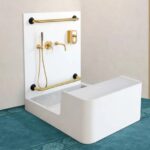
A Small basin for bathroom can replace a standard washbasin in many situations, provided its dimensions, bowl depth, and installation style suit the intended use. The right choice depends on who will use it, how often it will be used, and what activities take place around it. A compact basin can handle regular handwashing and basic grooming, although some bathrooms may still benefit from a larger design.
What Makes A Small Basin Different From A Standard Washbasin?
The main difference comes down to size and capacity. A standard washbasin usually provides a wider bowl and more surrounding surface area. This makes it easier to wash the face, rinse small items, and complete daily grooming tasks without worrying about splashing.
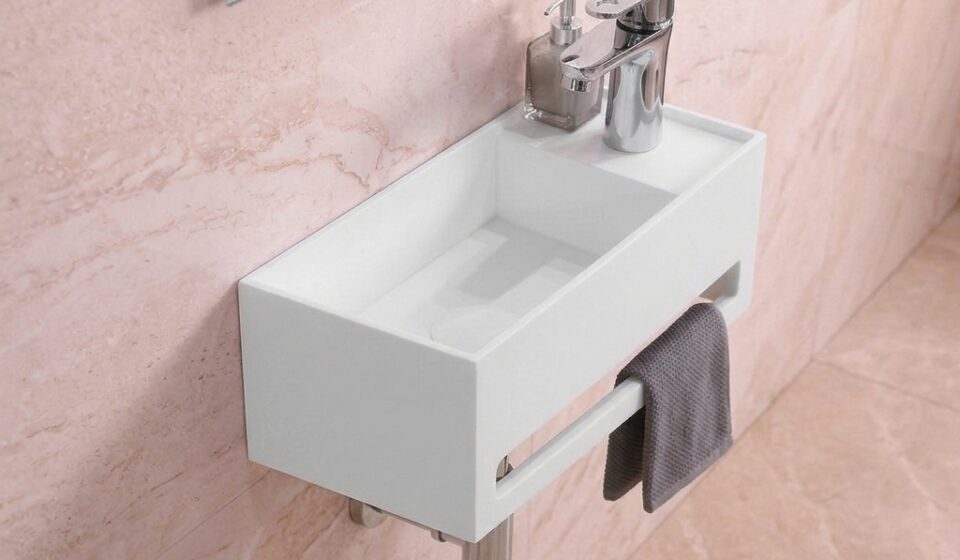
A small basin has a more compact footprint. Manufacturers design these models to fit narrow walls, corners, and restricted bathroom layouts. Some have shallow bowls, while others maintain a useful depth despite their reduced width.
The overall design also affects how much space the basin occupies. Wall mounted models leave the floor open, while compact countertop options use a smaller section of the vanity. Corner basins make use of areas that might otherwise remain unused.
When Can A Small Basin Replace A Standard Washbasin?
A smaller washbasin works well when the bathroom has limited space and the daily activities around it do not require a large bowl. It can serve as the main washing fixture in several settings.
Guest Bathrooms And Powder Rooms
Guest bathrooms usually support basic activities such as handwashing and freshening up. Visitors rarely need extensive counter space or a deep bowl for these short visits.
A compact basin can meet these needs without making the room feel crowded. It also leaves more room for a toilet, towel holder, and comfortable movement.
Small Residential Bathrooms
In compact residential bathrooms, every fixture affects the available floor area. A standard basin with a bulky vanity may make the room difficult to use, especially when the door opens inward or the toilet sits nearby.
A smaller model can create more clearance around these fixtures. Homeowners can use the extra space for storage or simply keep the layout open.
Secondary Bathrooms
A bathroom near a bedroom, home office, or living area may only need a simple washing station. In such spaces, a compact basin can provide enough functionality without requiring a full-sized vanity.
Commercial Washrooms With Limited Space
Small offices, retail spaces, and compact commercial washrooms may also benefit from smaller basins. These facilities often need to accommodate essential handwashing without dedicating too much room to each fixture.
However, the expected number of users matters. A high traffic washroom may need a wider or more durable basin to support frequent use.
When Is A Standard Washbasin Still The Better Choice?
A small basin does not suit every bathroom. Its reduced dimensions may become inconvenient when users need more room for regular grooming or household tasks.
A standard washbasin may be more practical in the following situations:
- Shared family bathrooms: Several people may use the same basin throughout the day. A wider bowl provides more room for different washing activities.
- Bathrooms used for grooming: Face washing, shaving, and other routines often require additional bowl and counter space.
- Homes with children: Younger children may splash water while washing their hands or faces. A deeper and wider basin can make these activities easier to manage.
- Frequent utility use: Some households use bathroom basins to rinse small objects or clean personal items. A compact bowl may not provide enough capacity.
- Large bathroom layouts: When space is readily available, there may be little reason to sacrifice bowl size for a smaller footprint.
The decision should reflect actual use rather than bathroom dimensions alone. A small fixture may save space, yet become frustrating when it cannot support everyday routines comfortably.
Important Features To Check Before Choosing A Small Basin
Replacing a standard washbasin requires more than comparing external measurements. Several design details affect the basin’s comfort and performance.
Bowl Depth And Shape
Bowl depth plays an important role in controlling splashes. A very shallow basin may look suitable for a narrow bathroom, but water can spill onto the counter during handwashing.
A slightly deeper bowl can improve everyday usability without requiring a much wider fixture. Rounded or gently sloped interiors also help direct water toward the drain.
Overall Width And Projection
Width determines how much wall or counter space the basin occupies. Projection refers to how far it extends from the wall.
In narrow bathrooms, projection can matter as much as width. A shorter basin may provide better clearance for users walking past it or standing near the toilet.
Tap Position And Compatibility
The tap must match the basin’s design. Some compact models include a dedicated tap hole, while others require a wall mounted faucet or a separate countertop fitting.
Check the distance between the faucet outlet and the bowl. Water should reach the basin without striking the edge or splashing onto the surrounding surface.
Drainage And Overflow
A suitable drainage system helps prevent standing water and supports regular use. Check the waste outlet size and plumbing compatibility before installation.
An overflow opening can provide additional protection against accidental overfilling. However, not every basin includes one, so the household must consider its water use habits and faucet type.
Material And Surface Finish
The basin material affects cleaning, durability, and appearance. Ceramic remains a common option because it has a smooth, nonporous surface that is easy to maintain.
Solid surface materials also suit compact bathrooms. They allow different shapes and finishes, which can help create a consistent look across the wash area. The product range from kingkonree includes compact basin options worth considering when comparing designs and dimensions.
Does A Small Basin Cause More Water Splashing?
A smaller basin does not automatically create more splashing. The result depends on its bowl depth, interior shape, faucet position, and water pressure.
A shallow bowl with a strong water stream may cause splashes around the countertop. A well-shaped basin with a suitable faucet can control water more effectively, even when its overall dimensions are limited.
The distance between the tap outlet and the drain also matters. Ideally, the water stream should fall near the center of the bowl rather than hitting a steep side wall.
Before purchasing, consider the faucet and basin as one setup. Choosing them separately without checking their compatibility may lead to unnecessary water mess.
How To Make A Small Basin Work Like A Standard One
A compact basin can support many everyday activities when the surrounding area has a practical layout. A few design decisions can improve its usability.
Choose A Comfortable Installation Height
The basin height should suit the people who use it most often. A fixture installed too high or too low can make handwashing uncomfortable.
Consider the height of household members and any accessibility needs before fixing the basin to the wall or vanity.
Keep Essential Items Within Reach
A small basin may not have enough counter space for soap dispensers, toothbrush holders, and grooming products. Wall mounted shelves or narrow storage units can provide extra room without crowding the washing area.
Keep frequently used items close to the basin and store less essential products elsewhere.
Select A Suitable Faucet
A faucet with an appropriate reach helps direct water into the bowl. A tall faucet is not always the best option for a compact basin, especially when the bowl has limited depth.
Check the manufacturer’s recommended faucet dimensions before buying the fittings.
Use The Space Around The Basin Wisely
A mirror cabinet can provide storage above the basin without using floor space. Wall mounted towel rings and soap holders also help keep the countertop clear.
Avoid placing large accessories directly beside the bowl. A clean surrounding area makes a compact wash station easier to use.
Common Mistakes When Replacing A Standard Washbasin
A small basin may look suitable in a product photograph, yet its practical performance depends on the installation and bathroom layout. Avoid these common mistakes:
- Choosing by width alone: A narrow basin may still project too far from the wall or have an uncomfortable bowl shape.
- Ignoring bowl depth: A shallow interior can increase splashing during regular handwashing.
- Using an incompatible faucet: The wrong tap height or reach can make the basin difficult to use.
- Overlooking plumbing positions: Existing water supply and drainage connections may not match the new fixture.
- Forgetting user needs: A basin suitable for a guest bathroom may not work as well in a busy family bathroom.
- Leaving too little clearance: The basin should not obstruct the door, toilet, shower entrance, or normal movement.
Measuring the available space and checking the product specifications before purchase can prevent these problems.
How To Decide Between A Small And Standard Washbasin
The best option depends on the bathroom’s purpose, available space, and daily usage. A compact basin is generally suitable for basic washing activities in guest bathrooms, powder rooms, and smaller residential spaces.
A standard washbasin remains a better choice when several people share the bathroom or when users need more room for grooming and household tasks.
Before making a final decision, compare the two options based on:
| Consideration | Small Basin | Standard Washbasin |
| Space requirement | Lower | Higher |
| Handwashing | Suitable | Suitable |
| Grooming space | Limited | More generous |
| Bathroom layout | Works well in compact rooms | Better for spacious rooms |
| Countertop area | Usually limited | Often larger |
| Shared family use | Depends on daily demand | Generally more convenient |
The table provides a general comparison. Actual performance depends on the basin’s design and dimensions.
Final Thoughts
A small basin can replace a standard washbasin when the bathroom mainly supports handwashing and other basic activities. Its compact design helps free up valuable space and makes narrow bathrooms easier to arrange.
However, a smaller fixture may not provide the same comfort in a busy family bathroom or a space used for regular grooming. Bowl depth, faucet compatibility, installation height, and available clearance all influence the final result.
The most practical choice is the basin that fits both the room and the people using it. A well-designed compact model can handle everyday washing needs without requiring the space of a full-sized washbasin.