
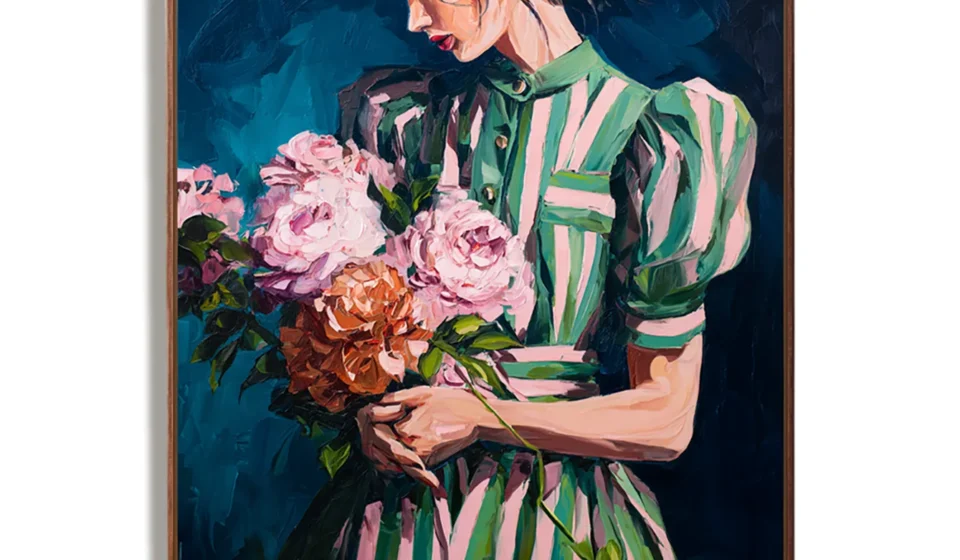

Choosing artwork for your home is an opportunity to express personal taste, create atmosphere, and make a space feel more inviting. However, selecting the right painting involves more than finding an attractive image. The subject, artistic style, colors, and dimensions should all work together to complement the room and reflect the personality of the people living there.
Custom oil paintings make this process more flexible because the artwork can be developed around individual preferences and interior design requirements. Whether you prefer realistic portraits, peaceful landscapes, or expressive abstract compositions, Custom Oil Paintings allow you to turn a personal idea into a distinctive piece of art.
Understanding how to choose the right style and subject can help you commission a painting that looks beautiful and remains meaningful for years.
1. Start with Your Personal Preferences
The best place to begin is by identifying the types of artwork you naturally enjoy. Since a custom painting is created around your preferences, there is no need to limit yourself to popular trends or conventional decorating choices.
Think about the images, colors, and artistic approaches that attract your attention. You might prefer detailed nature scenes, expressive portraits, modern geometric compositions, or traditional paintings inspired by classical art.
Consider these questions:
- Do you prefer realistic or imaginative artwork?
- Are you attracted to bright, bold colors or softer tones?
- Do you enjoy recognizable subjects or abstract compositions?
- Would you like the painting to represent a personal memory?
- Should the artwork create a calm atmosphere or become a striking focal point?
Your answers can help establish a clear creative direction before discussing the project with an artist.
2. Consider the Purpose of the Painting
Different rooms serve different purposes, and the artwork should support the atmosphere you want to create.
A painting for a living room may be intended to attract attention and encourage conversation. Bedroom artwork might be chosen for its relaxing colors and peaceful subject. A home office may benefit from an inspiring composition that creates visual interest without becoming distracting.
Before selecting a subject, consider what you want the painting to contribute to the space.
For example:
- Living room: Large landscapes, abstract compositions, or family portraits.
- Bedroom: Gentle nature scenes, soft floral artwork, or peaceful imagery.
- Dining room: Still-life paintings, fruit compositions, or elegant decorative subjects.
- Home office: Architectural scenes, modern abstract art, or inspiring landscapes.
- Hallway: Vertical portraits, smaller compositions, or coordinated artwork collections.
Thinking about the room’s purpose helps narrow down the available choices.
3. Explore Different Oil Painting Styles
Oil painting offers a wide range of artistic possibilities. Each style has its own visual characteristics and can create a different impression within an interior.
Realistic Style
<AsyncImage query=”realistic traditional oil painting detailed landscape canvas artwork” aspectRatio=”16:9″ width=”100%”/>
Realistic oil paintings aim to represent subjects with recognizable proportions, details, and natural visual characteristics.
They are suitable for portraits, landscapes, animals, buildings, and still-life compositions. This style is particularly appealing when accuracy and recognizable details are important.
Impressionistic Style
<AsyncImage query=”impressionist oil painting colorful garden landscape visible brushstrokes” aspectRatio=”16:9″ width=”100%”/>
Impressionistic paintings emphasize light, atmosphere, color, and expressive brushwork rather than precise detail.
They can create a soft, lively appearance and work well in interiors that benefit from natural colors and artistic movement.
Abstract Style
<AsyncImage query=”modern abstract oil painting expressive colors textured canvas artwork” aspectRatio=”16:9″ width=”100%”/>
Abstract artwork uses shapes, lines, textures, and color relationships to create visual interest.
Because it does not depend on recognizable subjects, abstract painting offers considerable creative freedom. It can complement contemporary interiors and introduce strong visual accents.
Contemporary Decorative Style
<AsyncImage query=”contemporary decorative oil painting modern colorful canvas art” aspectRatio=”16:9″ width=”100%”/>
Contemporary decorative paintings combine modern visual ideas with artistic techniques. They may include simplified forms, expressive colors, stylized subjects, or unusual compositions.
This style can be useful when you want artwork that feels modern while still retaining the character of handmade painting.
4. Choose a Subject That Has Personal Meaning
The subject is often the most memorable part of a painting. Selecting something personally meaningful can make the finished artwork more than just a decorative accessory.
Some popular subject ideas include:
- Family portraits: Preserve important relationships and memories.
- Landscapes: Celebrate favorite destinations or beautiful natural scenery.
- Cityscapes: Represent a hometown, memorable journey, or favorite city.
- Floral compositions: Introduce natural beauty and decorative color.
- Animals and pets: Create personalized artwork featuring beloved companions.
- Still-life subjects: Explore everyday objects through artistic composition.
- Abstract themes: Express emotions, interests, or personal ideas through color and form.
A subject does not have to represent a major life event. Even a favorite flower, architectural detail, or familiar landscape can become meaningful when interpreted through an artist’s perspective.
5. Match the Painting with Your Interior Design
A painting should complement its surroundings without necessarily matching every decorative element.
Consider the existing colors, furniture, wall finishes, and overall design style before finalizing your subject and composition.
For minimalist interiors, a restrained abstract painting or a simple landscape may create a balanced appearance. Traditional rooms may benefit from detailed portraits, classical still-life paintings, or scenic compositions.
In contemporary spaces, bold colors and expressive forms can provide contrast and personality.
It is also worth considering whether you want the painting to blend with the room or stand out as its main focal point. Both approaches can work when the proportions and color relationships are carefully considered.
6. Select a Color Palette That Creates the Right Atmosphere
Color plays an important role in how artwork influences a room.
Warm colors such as red, orange, and yellow can introduce energy and visual warmth. Cooler shades, including blue and green, often create a more peaceful impression. Neutral colors can support understated interiors, while contrasting combinations may add drama.
When choosing a palette, consider:
- The dominant colors already present in the room.
- The amount of natural light available.
- The mood you want the painting to communicate.
- Whether the artwork should blend in or create contrast.
- How the colors will appear at the intended display size.
You can also ask the artist to incorporate selected shades from your furniture, rugs, curtains, or other decorative elements.
7. Think About the Size and Orientation
Even an excellent subject can lose its impact if the painting is too small or too large for its intended location.
Measure the available wall space before confirming the canvas dimensions. Consider nearby furniture, ceiling height, and the amount of surrounding visual space.
The orientation should also suit the composition.
Horizontal paintings are often suitable for landscapes, wide architectural scenes, and artwork displayed above sofas or beds.
Vertical paintings work well for portraits, tall floral arrangements, and narrow wall spaces.
Square paintings can create a balanced appearance and are often suitable for abstract designs or centered compositions.
Large-format paintings can establish a strong focal point, while smaller works can complement shelving, hallways, or gallery walls.
Planning the dimensions in advance helps ensure that the finished artwork feels proportionate.
8. Use Reference Images to Communicate Your Idea
Reference images can make it easier to explain the subject and artistic direction you have in mind.
You might provide a photograph of a family member, a favorite destination, or an example of an artistic style you admire.
However, it is important to distinguish between a reference for the subject and a reference for the painting technique. A photograph may show what you want painted, while another artwork may demonstrate the preferred brushwork, color palette, or composition.
When sharing references, explain which elements should be retained and which can be interpreted creatively.
This helps the artist understand your expectations without unnecessarily restricting their artistic judgment.
9. Consider the Level of Detail You Want
Not every painting needs to reproduce every feature of its subject.
A realistic portrait may require careful attention to facial proportions and expressions. An impressionistic landscape may rely more heavily on broad brushstrokes and color relationships.
Think about how you want the artwork to appear when viewed both closely and from a distance.
Detailed compositions can create interest through carefully developed features, while simpler designs may communicate their message through strong shapes and visual balance.
The right level of detail depends on the subject, artistic style, canvas size, and your personal preference.
10. Balance Timeless Appeal with Current Trends
Decorating trends can provide inspiration, but they should not be the only factor influencing your choice.
Popular colors and contemporary styles may look attractive today, yet personal artwork often remains part of a home for many years.
If you want a painting with lasting appeal, consider subjects and styles that have genuine significance to you.
Nature, family, architecture, and meaningful places are examples of themes that can remain relevant even as interior design preferences change.
You can still incorporate modern influences through color, composition, or brushwork without making the entire painting dependent on a temporary trend.
11. Discuss Your Ideas with the Artist
Once you have a general idea of the desired subject and style, discuss the project with the artist.
A professional painter can help determine whether the proposed composition will work effectively on the selected canvas size. They can also suggest adjustments to the background, colors, perspective, or level of detail.
Before the painting begins, make sure the following points are clear:
- The main subject and reference images.
- Preferred artistic style.
- Canvas dimensions and orientation.
- Color preferences.
- Background and composition requirements.
- Important details that must be preserved.
- Production timeline and delivery arrangements.
Good communication creates a shared understanding of the project and helps avoid unnecessary revisions.
12. Consider Quality and Long-Term Care
The artistic style and subject are important, but the quality of the materials and painting process also deserves attention.
Ask about the type of canvas, oil paints, surface preparation, and finishing methods. Quality materials and appropriate techniques contribute to the appearance and durability of the artwork.
After delivery, display the painting in a location where it is protected from excessive moisture, direct sunlight, and sudden environmental changes.
Dust should be removed carefully using suitable methods, and cleaning products should not be applied directly to the painted surface without professional guidance.
Proper handling and maintenance help preserve the artwork’s appearance over time.
Common Mistakes to Avoid When Choosing a Custom Painting
A little planning can prevent decisions that may affect the final result.
Choosing a subject only because it is popular: Select something that genuinely interests you rather than relying entirely on trends.
Ignoring the room’s proportions: Always measure the wall and consider the furniture before deciding on canvas dimensions.
Providing unclear instructions: Explain your preferences and identify the most important features of the composition.
Overlooking color relationships: Consider how the painting’s palette will interact with the existing interior.
Expecting every style to suit every subject: Discuss whether your chosen artistic approach is appropriate for the image you want to commission.
Rushing the process: Allow sufficient time for planning, painting, drying, and final preparation.
Avoiding these mistakes makes it easier to achieve artwork that satisfies both decorative and personal expectations.
Conclusion
Choosing the right style and subject for a custom oil painting requires a balance of personal taste, artistic direction, and interior design considerations. From realistic portraits and expressive landscapes to abstract compositions and contemporary decorative artwork, the available possibilities make it possible to create something distinctive.
Start by identifying what you want the painting to represent, consider where it will be displayed, and select colors, dimensions, and techniques that support your vision. Clear communication with the artist will further help turn your ideas into a finished composition.
Ultimately, the best painting is one that feels connected to your personality and surroundings. When the subject has personal meaning and the artistic style complements your home, the result can become a lasting part of your living space.