
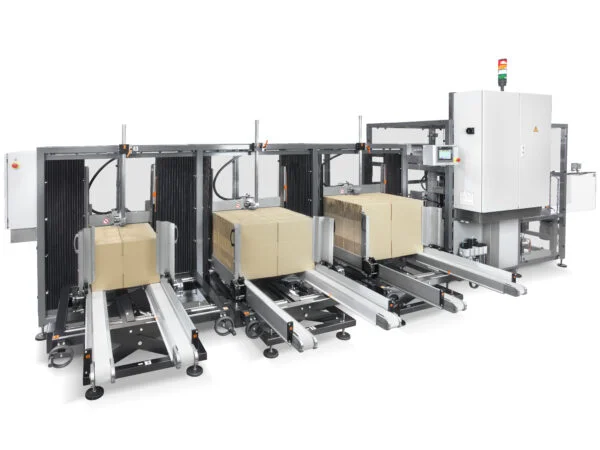

Reliable packaging equipment plays an important role in maintaining consistent production output. In facilities that process large quantities of products, even a short interruption in carton preparation can affect filling, sealing, and downstream packaging operations. Regular maintenance helps prevent unexpected breakdowns, maintain equipment performance, and extend the service life of essential machinery.
A Case Erector Machine performs several coordinated tasks, including feeding flat carton blanks, opening them into shape, folding bottom flaps, and securing the carton base. Since these operations depend on mechanical components, sensors, pneumatic systems, and sealing mechanisms working together, each part requires appropriate attention. A structured maintenance routine helps manufacturers keep the equipment operating efficiently and reduce avoidable production interruptions.
1. Establish a Regular Cleaning Routine
Dust, corrugated cardboard particles, adhesive residue, and other packaging debris can accumulate around moving components. Over time, this buildup may interfere with carton feeding, sensor operation, and mechanical movement.
Cleaning should be part of the daily maintenance routine. Operators should pay particular attention to:
- Carton magazines and blank-feeding areas.
- Vacuum cups and suction components.
- Folding guides and flap-contact surfaces.
- Conveyor belts and rollers.
- Sensors and photoelectric detection points.
- Tape heads and adhesive application areas.
Use cleaning materials and methods approved by the equipment manufacturer. Avoid directing excessive compressed air toward sensitive electrical components or bearings, as this may push debris into areas that are difficult to inspect.
2. Inspect Carton Feeding Components
The feeding mechanism is responsible for picking up individual flat blanks and transferring them into the forming section. Problems in this area can lead to missed picks, double feeding, or incorrectly positioned cartons.
Inspect the following components regularly:
Vacuum cups: Check for cracks, wear, deformation, or blocked openings. Damaged cups may reduce suction and cause inconsistent blank pickup.
Feeding belts: Look for signs of stretching, surface damage, or incorrect tension.
Magazine guides: Ensure that carton blanks remain properly aligned and can move without unnecessary resistance.
Pickup mechanisms: Check for unusual movement, loose fasteners, or inconsistent operation.
Correct feeding is essential because errors at this stage can affect every subsequent carton-forming operation.
3. Check Pneumatic Systems for Air Leaks
Many automatic case erectors use compressed air to operate cylinders, actuators, and other mechanical functions. Insufficient or unstable air pressure can affect the machine’s ability to complete its operating sequence.
During routine inspections:
- Examine air hoses for cracks or visible damage.
- Check fittings and connectors for leakage.
- Inspect pneumatic cylinders for unusual movement.
- Monitor the pressure regulator.
- Drain moisture from the air preparation system when required.
- Replace damaged tubing and seals according to manufacturer instructions.
Maintaining clean, dry, and properly regulated compressed air helps protect pneumatic components and supports consistent machine operation.
4. Maintain Sensors and Electrical Connections
Sensors help detect carton blanks, confirm machine positions, and coordinate automatic operating sequences. Dust, misalignment, or damaged wiring can produce false signals or prevent the machine from recognizing cartons correctly.
Clean sensor surfaces using suitable materials and inspect their mounting positions. Check that cables and connectors are secure and free from visible damage.
If the machine repeatedly stops because of sensor errors, operators should investigate the cause rather than simply resetting the equipment. Persistent faults may indicate alignment problems, electrical issues, or mechanical interference.
Electrical inspections and repairs should be performed by qualified personnel, following the manufacturer’s safety procedures.
5. Inspect Folding Guides and Mechanical Adjustments
The folding section controls how carton flaps move into position before the bottom is sealed. Misaligned guides or worn mechanical parts can cause incomplete folds, damaged carton edges, and inconsistent box dimensions.
Maintenance personnel should examine:
- Folding arms and guides.
- Mechanical stops and adjustment points.
- Pivot joints and linkages.
- Fasteners and mounting brackets.
- Moving parts for excessive wear or looseness.
Check that the guides match the carton dimensions currently being processed. Incorrect adjustments can create problems even when individual components are in good condition.
After maintenance or a size change, run a controlled test using representative carton blanks to confirm that the folding sequence is correct.
6. Keep the Sealing System in Good Condition
The bottom sealing mechanism is responsible for securing the carton before it moves to the filling stage. Depending on the machine design, sealing may use pressure-sensitive tape or an adhesive-based system.
For tape-sealing equipment, inspect the tape head, rollers, cutting blade, and tension settings. Remove adhesive residue using approved cleaning products and replace worn blades when necessary.
For adhesive-based systems, follow the specified procedures for cleaning application components, checking adhesive delivery, and maintaining operating temperatures where applicable.
Poor sealing can cause cartons to open during handling or create interruptions at downstream packaging stations. Regular inspection helps maintain consistent closure quality.
7. Lubricate Moving Components Correctly
Bearings, chains, guide rails, and other moving parts may require lubrication to reduce friction and wear. However, applying too much lubricant or using an unsuitable product can attract dust and interfere with machine operation.
Always follow the manufacturer’s lubrication schedule and use the specified lubricant for each component.
A good lubrication routine should identify:
- Which components require lubrication.
- The correct lubricant type.
- Recommended application intervals.
- Appropriate lubricant quantities.
- Components that must remain free of grease or oil.
Avoid applying lubricant to belts, vacuum cups, carton-contact surfaces, or other areas where contamination could affect packaging performance unless the manufacturer specifically instructs otherwise.
8. Monitor Unusual Noise, Vibration, and Movement
Changes in machine sound or movement can provide early indications of developing mechanical problems.
For example, unusual rattling may indicate loose fasteners, while grinding sounds could suggest excessive friction or bearing wear. Increased vibration may also point to misalignment or an issue with rotating components.
Operators should become familiar with normal operating sounds and stop the equipment safely when they notice significant changes.
Record recurring symptoms and report them to maintenance personnel. Early investigation can help prevent minor issues from developing into more serious failures.
9. Verify Carton Size Settings After Changeovers
Packaging operations often process different carton dimensions throughout the production day. Each changeover may require adjustments to magazine guides, folding positions, forming components, and sealing settings.
Incorrect changeover adjustments can lead to carton jams, poor folding, or inconsistent sealing.
To reduce these problems:
- Confirm the required carton dimensions.
- Adjust guides and settings according to the machine instructions.
- Verify that the correct carton blanks are loaded.
- Check sensor positions and relevant operating parameters.
- Run sample cartons at a controlled speed.
- Inspect carton shape and bottom closure before restarting full production.
Documenting approved settings for frequently used carton sizes can also reduce setup errors and make changeovers more consistent.
10. Follow a Preventive Maintenance Schedule
A written maintenance schedule helps ensure that important inspections are not overlooked. Responsibilities should be clearly assigned to operators and qualified maintenance technicians.
The following is a general example. Actual intervals should always follow the equipment manufacturer’s recommendations and operating conditions.
| Maintenance interval | Suggested activities |
|---|---|
| Before each shift | Check cleanliness, carton supply, air pressure, and visible component condition |
| Daily | Clean feeding areas, inspect vacuum cups, and check sealing quality |
| Weekly | Examine belts, guides, pneumatic connections, and fasteners |
| Monthly | Inspect mechanical wear, sensor alignment, and electrical connections |
| As specified by the manufacturer | Perform detailed servicing, component replacement, and safety inspections |
Machines operating for extended hours or in dusty environments may require more frequent attention.
11. Train Operators in Basic Maintenance Practices
Operators are often the first people to notice changes in machine performance. Providing suitable training helps them recognize warning signs and complete routine maintenance tasks correctly.
Training should cover:
- Safe startup and shutdown procedures.
- Correct carton loading.
- Daily cleaning requirements.
- Basic inspection of feeding and sealing components.
- Recognition of common machine alarms.
- Safe responses to carton jams.
- Proper reporting of recurring problems.
Operators should understand which tasks they are authorized to perform and which require qualified maintenance personnel. They should never bypass safety guards or attempt repairs while equipment is operating.
12. Maintain Spare Parts and Service Records
Waiting for replacement components can extend downtime, especially when a frequently used part becomes damaged unexpectedly.
Manufacturers should identify critical spare parts based on machine design, operating hours, and supplier recommendations. Common consumables and wear components may include vacuum cups, belts, blades, seals, and selected pneumatic fittings.
Maintenance records are equally important. Each service entry should include the date, work performed, components replaced, identified faults, and any follow-up action required.
These records help maintenance teams identify recurring problems, plan replacement activities, and make more informed decisions about equipment performance.
13. Prioritize Safety During Maintenance
Maintenance work should never compromise operator safety. Before cleaning, inspecting, or servicing internal components, follow the machine’s approved shutdown and isolation procedures.
Important precautions include:
- Disconnecting and isolating electrical power where required.
- Shutting off and safely releasing stored pneumatic pressure.
- Waiting for all moving parts to stop.
- Using lockout/tagout procedures where applicable.
- Wearing appropriate personal protective equipment.
- Keeping guards and safety devices functional.
- Allowing only trained personnel to perform specialized repairs.
Never reach into a machine to remove jammed cartons while it is running. Follow the manufacturer’s instructions for clearing jams and restoring operation safely.
Conclusion
Keeping a case erector operating efficiently requires more than occasional repairs. Regular cleaning, inspection of feeding mechanisms, pneumatic system checks, sensor maintenance, proper lubrication, and preventive servicing all contribute to dependable performance.
A well-organized maintenance program also helps manufacturers reduce unexpected downtime, improve carton consistency, and protect their investment in packaging equipment. By combining trained operators, qualified maintenance personnel, and accurate service records, businesses can support reliable carton preparation and maintain a smoother packaging workflow over time.