
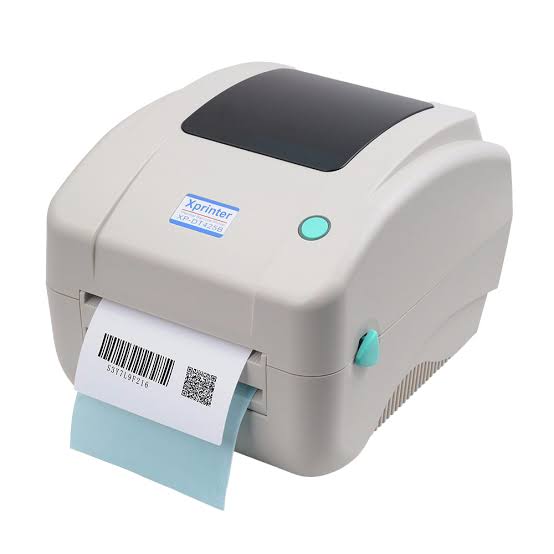

Printing technology plays an important role in modern business operations, from producing customer receipts to creating product labels, office documents, and marketing materials. As businesses look for ways to improve productivity and control operating expenses, choosing the right printing equipment becomes increasingly important. Thermal printers and traditional printers are two widely used options, but they operate differently and serve distinct purposes.
An Xprinter Thermal Printer offers a printing approach based on heat rather than conventional ink or toner systems. Traditional printers, including inkjet and laser models, use different technologies to transfer information onto paper. Understanding the differences between these options can help businesses select equipment that matches their printing volume, document requirements, and working environment.
Understanding Thermal Printers
Thermal printers use heat to produce text, graphics, and barcodes on compatible printing materials. They are commonly used in retail stores, restaurants, warehouses, logistics facilities, and other environments that require frequent receipt or label printing.
There are two primary thermal printing methods:
Direct Thermal Printing
Direct thermal printers use specially coated paper that reacts to heat. A heated printhead creates text and images by applying heat to selected areas of the paper.
This method does not require ink cartridges, toner, or ribbons. It is commonly used for receipts, temporary labels, order tickets, and shipping documentation.
However, direct thermal prints can fade when exposed to heat, sunlight, or friction over extended periods.
Thermal Transfer Printing
Thermal transfer printers use a heated ribbon to transfer ink onto paper or compatible synthetic materials.
This method generally produces more durable labels than direct thermal printing. It is commonly used for product identification, inventory tracking, asset labels, and industrial applications.
Understanding Traditional Printers
Traditional printers generally refer to inkjet and laser printing devices. These technologies are widely used in homes, offices, schools, and commercial environments.
Unlike thermal printers, they rely on ink or toner to create printed information.
Inkjet Printers
Inkjet printers produce images and text by spraying tiny droplets of liquid ink onto paper through specialized nozzles.
They are suitable for printing documents, photographs, presentations, and marketing materials. Their ability to reproduce detailed images and different colors makes them useful for applications requiring visual quality.
However, ink cartridges need regular replacement, and printing costs can increase when businesses produce large quantities of documents.
Laser Printers
Laser printers use electrostatic technology and powdered toner to create printed output. A laser forms an image on a photosensitive drum, which transfers toner onto paper before heat permanently bonds it to the surface.
Laser printers are commonly used in offices that require frequent document printing. They generally offer fast text printing and are suitable for reports, invoices, contracts, and other business documents.
Key Differences Between Thermal and Traditional Printers
Although both technologies produce printed information, their operating methods and practical applications differ significantly.
1. Printing Technology
The most fundamental difference is how each printer creates an image.
Thermal printers use heat-sensitive paper or heated ribbons, depending on the printing method. Direct thermal models create images through a chemical reaction in the paper, while thermal transfer models use heat to transfer ribbon ink.
Inkjet printers spray liquid ink onto paper, whereas laser printers use toner and electrostatic processes.
This difference affects consumable requirements, maintenance procedures, and the types of materials each printer can support.
2. Printing Speed
Printing speed is an important consideration for businesses with frequent printing requirements.
Thermal printers are particularly useful for producing receipts and labels quickly. Their relatively straightforward printing process makes them suitable for checkout counters, restaurant order stations, and shipping departments.
Laser printers can also deliver high printing speeds, especially when producing multiple pages of text documents.
Inkjet printing speed varies depending on the model, document complexity, and selected print quality.
Therefore, the fastest option depends on the intended printing task rather than the technology alone.
3. Printing Quality and Resolution
Print quality requirements vary between business applications.
Thermal printers can produce clear text and readable barcodes, making them suitable for receipts, tickets, and product labels. Their output quality depends on printhead resolution, printing materials, and device configuration.
Inkjet printers are often preferred for photographs and detailed color graphics because they can reproduce a wide range of colors and visual effects.
Laser printers generally produce sharp text and consistent document output, making them useful for professional office printing.
The best option depends on whether a business prioritizes barcode clarity, document readability, or detailed color reproduction.
4. Printing Costs and Consumables
Consumable expenses are another major difference.
Direct thermal printers do not require ink cartridges or toner. Businesses only need compatible thermal paper, which can simplify supply management.
Thermal transfer models require ribbons in addition to suitable printing materials.
Traditional inkjet printers need liquid ink cartridges, while laser printers use toner cartridges. Depending on printing volume and device specifications, these consumables can represent a considerable part of ongoing operating expenses.
Businesses should compare the cost per printed receipt, label, or page instead of considering only the initial equipment price.
5. Maintenance Requirements
Different printing mechanisms create different maintenance requirements.
Direct thermal printers generally have fewer traditional printing consumables to manage. However, printheads and rollers still require regular cleaning, and automatic cutters may need attention in receipt-printing environments.
Inkjet printers may require printhead cleaning and maintenance to prevent dried ink or blocked nozzles.
Laser printers require toner replacement and occasional maintenance of components such as drums and fuser assemblies, depending on the model.
The amount of maintenance required depends on equipment quality, usage frequency, and operating conditions.
6. Paper and Material Compatibility
Thermal printers typically use specialized heat-sensitive paper or compatible label materials. Thermal transfer models can support a wider range of label substrates when paired with suitable ribbons.
Inkjet printers generally use compatible paper designed for liquid ink absorption, including standard office paper, photo paper, and selected specialty media.
Laser printers support different types of paper and selected specialty materials that can withstand their printing process.
Businesses should always verify media compatibility before purchasing equipment to avoid feeding problems or poor output quality.
7. Durability of Printed Documents
The durability of printed information is especially important for businesses that need to store records or maintain product identification labels.
Direct thermal printing can be affected by heat, light, and friction. As a result, receipts may become difficult to read after extended storage.
Thermal transfer printing generally provides more durable labels, depending on the ribbon and material combination.
Traditional laser printing produces toner-based documents that are generally suitable for long-term office records when stored appropriately. Inkjet document durability varies according to the ink formulation and paper used.
For long-term identification requirements, businesses should select printing technology based on environmental exposure and expected document lifespan.
Comparison Table: Thermal Printers vs. Traditional Printers
The following table summarizes the major differences between these printing technologies.
| Comparison Factor | Thermal Printers | Inkjet Printers | Laser Printers |
|---|---|---|---|
| Printing method | Heat-based technology | Liquid ink droplets | Toner and electrostatic technology |
| Main consumables | Thermal paper or ribbons | Ink cartridges | Toner cartridges |
| Common applications | Receipts and labels | Photos and color documents | Office documents |
| Printing speed | Fast for receipts and labels | Varies by model | Generally fast for documents |
| Color printing | Depends on specialized model and media | Widely supported | Available on color models |
| Maintenance | Printhead and roller cleaning | Printhead and ink system care | Toner and component maintenance |
| Media requirements | Compatible thermal paper and labels | Ink-compatible media | Laser-compatible paper |
| Common business use | Retail, logistics, hospitality | Marketing and office printing | Offices and document processing |
Advantages of Thermal Printers Over Traditional Printers
Thermal printers offer several advantages in specific commercial applications.
Simplified Consumable Management
Direct thermal printers eliminate the need for ink and toner cartridges. This reduces the number of consumables that businesses must purchase, store, and replace.
Efficient Receipt and Label Production
Thermal printing is well suited to producing short transaction records, barcode labels, and order tickets. It can support busy environments where employees need printed information quickly.
Compact Equipment Design
Many thermal printers have relatively compact designs, making them suitable for checkout counters, packaging stations, and small workspaces.
Convenient POS Integration
Thermal receipt printers are commonly designed to work with POS terminals and compatible business software. This makes them practical for retail stores, restaurants, and other transaction-based businesses.
Situations Where Traditional Printers Are a Better Choice
Despite the advantages of thermal printing, traditional printers remain more appropriate for many applications.
Printing Detailed Color Graphics
Inkjet printers are generally better suited to photographs, promotional materials, brochures, and other documents requiring detailed color reproduction.
Producing Multi-Page Office Documents
Laser printers are useful for businesses that regularly print reports, contracts, invoices, and administrative documents in larger quantities.
Maintaining Conventional Paper Records
Traditional printers can use standard office paper, making them practical for businesses that need documents suitable for filing, distribution, and long-term storage.
Supporting Versatile Printing Requirements
Businesses that produce different types of documents, including presentations, images, forms, and reports, may benefit from the flexibility of inkjet or laser equipment.
Which Printing Technology Is Best for Different Industries?
The right choice depends on the nature of the business and its daily printing activities.
Retail businesses: Thermal receipt printers are suitable for checkout transactions, while traditional printers can support administrative documents and promotional materials.
Restaurants: Thermal printers are useful for customer receipts, kitchen tickets, and takeaway orders.
Warehousing and logistics: Thermal label printers support barcode production, shipment identification, and inventory tracking.
Corporate offices: Laser printers are generally suitable for reports, contracts, invoices, and other standard documents.
Photography and graphic design: Inkjet printers are often preferable for detailed images and color reproduction.
Healthcare facilities: Thermal printers can support identification and labeling tasks, while traditional printers remain useful for reports and general documentation.
In some environments, using both thermal and traditional printing equipment provides the most practical solution.
Factors to Consider Before Choosing a Printer
Before investing in printing equipment, businesses should evaluate several important factors.
- Printing purpose: Determine whether the primary requirement involves receipts, labels, photographs, or standard documents.
- Daily printing volume: Estimate the number of pages, receipts, or labels produced during normal and peak operating periods.
- Operating costs: Compare equipment prices, consumables, maintenance, and replacement components.
- Output quality: Consider the resolution and clarity required for text, graphics, and barcodes.
- Connectivity: Check compatibility with computers, POS terminals, networks, and mobile devices.
- Available workspace: Consider equipment dimensions and installation requirements.
- Document durability: Evaluate how long printed information needs to remain readable.
- Technical support: Review warranty coverage, replacement parts, and maintenance documentation.
Comparing these factors helps businesses avoid purchasing equipment that does not meet their actual requirements.
Conclusion
Thermal printers and traditional printers serve different purposes in modern business environments. Thermal technology is particularly effective for receipts, barcode labels, shipping documentation, and other high-frequency printing tasks. Inkjet printers are useful for detailed color images, while laser printers are well suited to professional office documents and larger printing workloads.
Understanding the differences in printing technology, speed, consumables, maintenance, media compatibility, and output durability helps businesses make informed purchasing decisions. Rather than treating one technology as a universal replacement for another, organizations should select equipment according to their specific applications.
For many businesses, combining thermal printers with traditional printing equipment provides a balanced approach that supports transaction processing, labeling, administrative documentation, and everyday operational efficiency.