
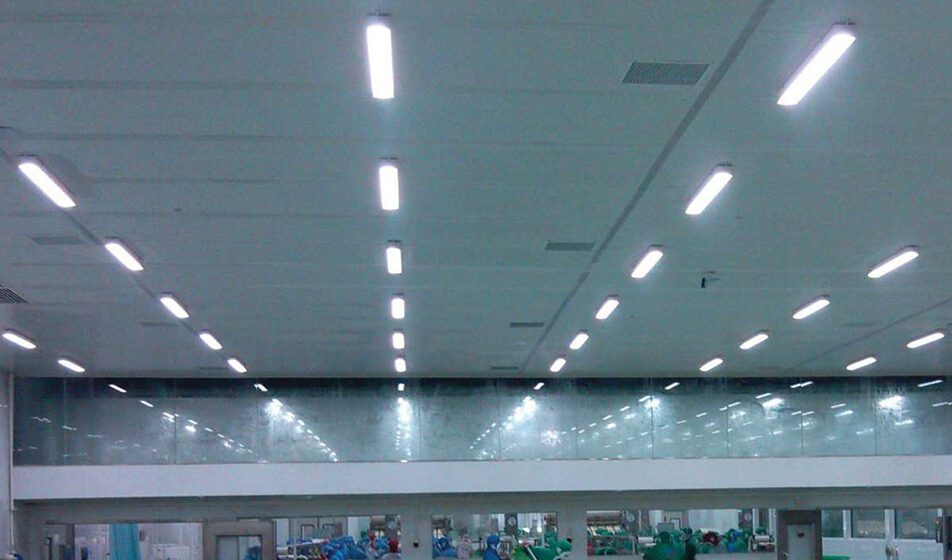

LED tri-proof lights are designed for environments where lighting fixtures may need to withstand dust, moisture, temperature changes, and extended operating periods. Producing these fixtures involves several stages, from component selection and assembly to testing and final inspection.
Understanding how an LED Tri-Proof Light Manufacturer manages the production process can help buyers better understand the factors that influence product consistency, performance, and reliability. Each stage contributes to the final characteristics of the lighting fixture.
Product Design and Engineering
Production typically begins with product design and engineering. Manufacturers determine the required dimensions, electrical configuration, light output, housing structure, mounting method, and environmental protection.
Design teams may also consider heat management, optical performance, installation requirements, and the intended operating environment. These factors establish the foundation for later production stages.
Selecting LED Components
LED chips and related components have a direct influence on light output, efficiency, color temperature, and overall performance. Manufacturers select components according to the required product specifications.
Other components, including drivers, connectors, wiring, and protective elements, also need to be compatible with the fixture’s electrical and performance requirements.
Preparing the Housing
The housing protects the internal components and contributes to the fixture’s durability and environmental resistance. Depending on the product design, the housing may involve plastic, aluminum, or other suitable materials.
Manufacturing processes can include forming, molding, cutting, finishing, and preparing the housing for assembly. Dimensions and structural tolerances need to remain consistent throughout production.
Producing the Optical Components
The lens or diffuser controls how light from the LEDs is distributed. Its design can influence brightness, beam angle, glare, and overall light uniformity.
Manufacturers prepare optical components according to the intended light distribution and fixture design. Material quality and dimensional consistency are important at this stage.
Assembling LED Modules
LED modules are assembled by placing the selected LED components onto circuit boards or designated mounting surfaces. Electrical connections are established according to the product design.
Assembly processes need to maintain consistent component placement and electrical connections so that finished fixtures can provide similar performance across a production batch.
Installing the LED Driver
The driver regulates the electrical power supplied to the LEDs. It is an important part of the fixture’s electrical system and must match the product’s input and output requirements.
During assembly, the driver is connected and positioned within the housing according to the manufacturer’s design. Proper connections and insulation are important for reliable operation.
Integrating the Internal Components
Once the main components are prepared, manufacturers assemble the LED modules, driver, wiring, connectors, and other parts inside the housing.
The internal layout is designed to support electrical safety, thermal management, and protection from external environmental conditions.
Sealing the Fixture
Tri-proof lights require suitable protection against dust and moisture. Sealing procedures may involve gaskets, covers, adhesives, clips, or other structural features depending on the product design.
Consistent assembly is important because gaps or improperly fitted components can affect the fixture’s environmental protection.
Completing Final Assembly
After the internal components are installed and protected, the housing, lens, end caps, connectors, and mounting elements are assembled.
The completed fixture is then checked for physical defects, assembly consistency, and other visible issues before moving to testing.
Conducting Electrical and Performance Testing
Testing is an important stage of production. Manufacturers may evaluate electrical operation, power consumption, light output, color characteristics, and other specified performance parameters.
Testing can help identify defective components or assembly problems before finished fixtures are packaged and shipped.
Checking Environmental Protection
Where applicable, manufacturers may conduct testing related to the fixture’s environmental protection. This can help verify whether the product performs according to its stated protection specifications.
The exact testing requirements depend on the product design, applicable standards, and intended market.
Performing Quality Inspections
Quality control can occur throughout the production process rather than only at the final stage. Manufacturers may inspect incoming components, assembly work, electrical connections, sealing, dimensions, and finished products.
Common checks may include:
- Component inspection
- Assembly verification
- Electrical testing
- Light output testing
- Housing inspection
- Sealing checks
- Visual inspection
- Packaging verification
These controls help support consistency between individual fixtures.
Packaging and Preparing for Shipment
After final inspection, finished lights are packaged for transportation. Packaging materials are selected to reduce the risk of damage during handling and shipping.
For larger orders, proper labeling can also help customers identify models, quantities, and product configurations when shipments arrive at the installation site.
Maintaining Production Consistency
For commercial and industrial projects, manufacturers need to maintain consistent product specifications across production batches. Consistency can involve LED performance, dimensions, electrical characteristics, color temperature, and construction.
Standardized production procedures, component controls, testing, and documentation can help maintain this consistency.
Conclusion
The production process of an LED tri-proof light manufacturer involves multiple stages, including design, component selection, housing preparation, assembly, sealing, testing, inspection, and packaging.
Each stage contributes to the final quality and performance of the fixture. By understanding this process, buyers can better evaluate product specifications, manufacturing practices, testing procedures, and quality controls when selecting lighting products for commercial or industrial applications.