
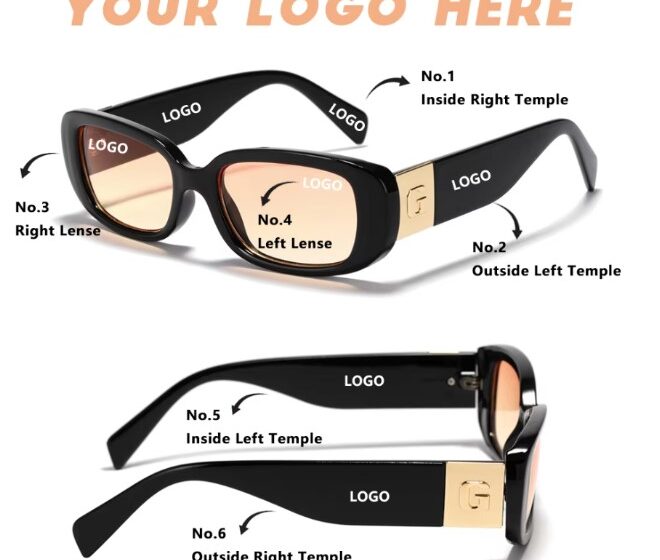

Selecting sunglasses for a retail collection requires a clear understanding of what customers want now. Retailers need to balance popular designs with practical features, reliable quality, and price points that fit their target market. A well-planned assortment can help a store stay relevant without relying entirely on short-lived fashion trends.
When sourcing wholesale men sunglasses, retailers should study customer preferences before choosing specific frames. Current demand can vary by age group, lifestyle, location, season, and purchasing habits. These factors can help determine which shapes, colors, materials, and lens options deserve space in the collection.
Start With Your Target Market
Market demand does not look the same for every retailer. A store near a beach destination may see stronger interest in lightweight, outdoor-friendly sunglasses, while an urban fashion retailer may need more contemporary frame designs.
Study your existing customers before placing a wholesale order. Review your best-selling products, common customer requests, and feedback from previous purchases.
Consider factors such as:
- Customer age and lifestyle
- Typical spending range
- Preferred frame shapes
- Popular colors
- Demand for functional lens features
- Seasonal buying patterns
This information gives you a practical starting point for building your assortment.
Watch Popular Frame Shapes
Frame shape remains one of the most noticeable factors when customers choose sunglasses. Retailers should monitor which silhouettes continue to attract attention rather than selecting designs based solely on personal taste.
Classic aviator, rectangular, square, and wayfarer-inspired frames often provide a dependable foundation. More distinctive geometric or rounded styles can add variety for shoppers who want something less conventional.
A strong collection usually combines familiar silhouettes with a limited selection of newer shapes. This approach gives customers variety while reducing the risk of filling inventory with highly niche designs.
Look for Trends With Staying Power
Not every popular style deserves a large wholesale order. Some trends attract attention for a short period before customer interest declines.
Instead of chasing every new look, identify trends that complement established eyewear categories. A modern interpretation of a familiar frame may have stronger long-term retail potential than an unusual design with limited appeal.
Retailers can test emerging styles through smaller quantities before expanding their orders. Sales results then provide useful evidence for future purchasing decisions.
Pay Attention to Frame Colors
Color trends can influence the visual appeal of an eyewear collection. Neutral shades such as black, brown, gray, and tortoiseshell can provide versatility, while carefully selected brighter tones can give a collection more personality.
Think about how each color fits your target customers and store identity. A retailer focused on everyday eyewear may need more understated options, while a fashion-oriented store can experiment with bolder finishes.
Avoid purchasing large quantities of colors without first understanding local demand. A balanced color range can offer variety without creating unnecessary inventory.
Consider Materials and Comfort
Customers increasingly pay attention to how sunglasses feel as well as how they look. Lightweight construction, comfortable temples, and a secure fit can influence whether someone chooses one frame over another.
Review the materials used in each product before ordering. Acetate, metal, TR90, and other frame materials can create different combinations of weight, flexibility, appearance, and durability.
Eugenia Eyewear offers a range of men’s eyewear styles that retailers can consider when developing a collection. Evaluating material specifications alongside design can help buyers select products that match both customer expectations and retail positioning.
Evaluate Lens Features
Frame design may attract the first glance, but lens features can influence the purchasing decision. Retailers should understand the available lens options and determine which features matter most to their customers.
UV protection remains an important consideration for sunglasses buyers. Polarized lenses may also appeal to people who spend considerable time outdoors or want to reduce glare from reflective surfaces.
Lens colors and finishes can further shape the appearance of a collection. Consider offering a combination of practical and fashion-oriented options rather than relying on one lens type.
Use Sales Data to Guide Purchases
Your own sales records can provide valuable information about market demand. Look at which frame shapes, colors, sizes, and price points perform best.
Pay attention to products that sell quickly and those that remain in stock for extended periods. This comparison can reveal patterns that general market reports may not capture for your particular customer base.
You can also track demand by season. Certain styles may perform better during warmer months, while customers may show different preferences during other periods of the year.
Keep Price Points Balanced
A collection should accommodate different customer budgets without losing its overall identity. Offering products across several price points can help retailers appeal to a broader audience.
Start by determining the retail prices that make sense for your market. Then work backward to establish an appropriate wholesale cost, allowing room for operating expenses and profit margins.
Do not automatically select the cheapest products. Extremely low prices may come with compromises in materials, construction, or consistency. Compare value, quality, and expected customer demand together.
Check Supplier Consistency
A trend only helps your business when the supplier can deliver products that meet your standards. Consistency matters when you need to reorder a successful style or expand a particular category.
Before committing to a large purchase, review product specifications and request samples where appropriate. Examine frame alignment, hinges, lens quality, finishing, and overall construction.
Communication also matters. A responsive supplier can make it easier to discuss product requirements, quantities, packaging, and future orders.
Test New Styles Before Scaling Up
Retailers do not need to predict every trend perfectly. Small-scale testing can provide a safer way to measure customer interest.
Introduce selected new designs alongside established best sellers. Monitor how customers respond and compare sales performance across the different styles.
When a new frame performs well, you can consider increasing the order quantity. Poor performers can remain limited instead of taking up a large portion of your inventory budget.
Build a Flexible Collection
Current market demand can change quickly, so retailers need enough flexibility to adjust their assortment. Avoid putting too much inventory budget into one shape, color, or trend.
A diversified collection can include dependable everyday frames, contemporary designs, outdoor-oriented options, and a few distinctive styles. This structure gives customers choice while spreading purchasing risk across multiple categories.
Review the assortment regularly and use sales performance to decide what deserves a larger presence.
Final Thoughts
Selecting sunglasses that match market demand requires more than following the latest fashion trend. Retailers should combine customer research, sales data, frame selection, materials, lens features, pricing, and supplier reliability when planning their collections.
Eugenia Eyewear can serve as a useful sourcing option for retailers exploring men’s eyewear collections. By testing new styles, monitoring customer behavior, and maintaining a balanced assortment, retailers can respond to changing demand while keeping their inventory focused and practical.