
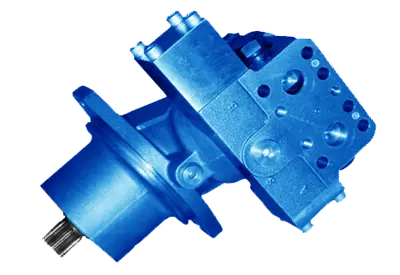

Selecting a pump for an industrial project involves more than identifying a model with the required flow rate and pressure. The manufacturer behind the equipment can influence product quality, technical compatibility, maintenance requirements, delivery, and long-term operating performance.
When comparing a piston pump manufacturer, project teams should assess engineering capabilities, manufacturing quality, product specifications, customization options, testing procedures, and technical support. A systematic evaluation helps ensure the selected supplier can meet both the immediate requirements and the long-term needs of the installation.
Start With Your Project Requirements
The first step is to establish clear technical requirements before contacting manufacturers. A supplier can only recommend an appropriate pump when the operating conditions are well defined.
Important information may include:
- Required flow rate
- Normal and maximum operating pressure
- Fluid type and viscosity
- Fluid temperature
- Operating hours and duty cycle
- Installation space
- Drive and power requirements
- Environmental conditions
Having these details available makes supplier comparisons more accurate and reduces the risk of selecting equipment that is unsuitable for the application.
Assess Relevant Industry Experience
Manufacturing experience is useful, but relevant experience is even more important. A supplier familiar with similar applications may better understand the practical challenges associated with pressure, fluid compatibility, operating cycles, and maintenance.
Ask whether the manufacturer has supplied piston pumps for applications with comparable technical requirements. Industry experience should support technical evaluation rather than serve as a substitute for it.
Examine Product Range and Specifications
A manufacturer with a suitable range of piston pump configurations may be better positioned to provide equipment that matches the project requirements.
Review available pressure and flow ranges, pump configurations, materials, connection options, drive arrangements, and operating limits. Pay attention to actual operating ranges instead of relying solely on maximum published values.
Check Performance Data
Performance curves and technical specifications can provide useful information about how a pump behaves under different operating conditions.
Confirm that the pump can deliver the required flow at the project’s actual pressure and speed. A pump that meets a requirement only under ideal conditions may not provide adequate performance in real-world operation.
Investigate Manufacturing Quality
The quality of the manufacturing process has a direct effect on pump reliability. Precision machining, controlled assembly, appropriate materials, and systematic inspection are important considerations.
Ask manufacturers how critical components are inspected and how production consistency is maintained. Quality management procedures should cover more than the final inspection stage.
Review Materials of Construction
Material selection should be based on the pumped fluid and operating environment. Corrosive, abrasive, high-temperature, or chemically reactive fluids may require specialized materials.
Verify the materials used for fluid-contact components, seals, valves, cylinders, and other critical parts before making a final selection.
Evaluate Customization Capabilities
Some projects can use standard pump designs, while others require modifications. Installation dimensions, fluid properties, pressure requirements, control systems, or space limitations may create application-specific needs.
Find out whether the manufacturer can provide engineering modifications when necessary. Any proposed customization should be clearly documented so that performance expectations and responsibilities are understood.
Review Testing Procedures
Testing helps verify whether a finished pump meets its specified requirements. The exact testing process will depend on the pump design and intended application.
Ask potential suppliers about pressure testing, leakage checks, performance testing, dimensional inspection, and final operational checks.
For projects with strict quality requirements, request appropriate inspection records or test documentation as part of the procurement process.
Consider Technical Support
Technical support can be important throughout the project lifecycle. Assistance may be required during pump selection, installation, commissioning, troubleshooting, or maintenance.
Evaluate whether the manufacturer provides clear technical documentation and whether knowledgeable personnel are available to address application-specific questions.
Good support can also help reduce delays when problems arise during commissioning or operation.
Check Spare Parts Availability
Even a well-designed pump will eventually require maintenance. Wear components such as seals, packing, valves, and other parts may need replacement depending on operating conditions.
Before purchasing, ask about spare-parts availability and typical lead times. A reliable supply of replacement components can reduce downtime and make planned maintenance easier.
Consider Serviceability
The design should also be practical to inspect and maintain. Components that can be accessed without excessive disassembly may reduce maintenance time.
Review recommended service intervals and identify which parts require regular inspection or replacement.
Compare Delivery and Production Capacity
Project schedules can make delivery time an important purchasing factor. A manufacturer may offer a technically suitable pump but still be a poor fit if production and delivery cannot meet the project’s timeline.
Ask about standard production lead times, current capacity, customization timelines, inspection requirements, and shipping arrangements. Build sufficient time into the project schedule for testing and installation.
Examine Quality Documentation
Technical documentation can help project engineers verify that the selected equipment meets system requirements.
Depending on the project, useful documents may include:
- Product datasheets
- Performance curves
- Dimensional drawings
- Material specifications
- Installation instructions
- Maintenance manuals
- Test reports
- Spare-parts information
Complete documentation also makes future maintenance and equipment replacement easier.
Assess Total Cost of Ownership
The lowest purchase price does not necessarily represent the lowest overall cost. Industrial buyers should consider the expenses associated with operation, maintenance, spare parts, energy consumption, and potential downtime.
A useful evaluation should therefore consider both initial investment and expected lifecycle costs. Reliability and serviceability can have a substantial effect on the overall economics of the project.
Request Clear Commercial Information
Once the technical requirements have been established, request detailed quotations from shortlisted manufacturers.
A useful quotation should clearly identify the pump configuration, materials, performance specifications, accessories, testing, documentation, delivery terms, and any optional features.
Clear quotations make it easier to compare suppliers on an equivalent basis and prevent important differences from being hidden behind a single purchase price.
Look for Consistent Communication
Communication is often overlooked during supplier evaluation. However, unclear technical discussions can create problems later in procurement, installation, and commissioning.
Pay attention to how effectively a manufacturer responds to technical questions. A supplier should be able to explain specifications, limitations, assumptions, and proposed solutions clearly.
Create a Supplier Evaluation Checklist
A simple scoring system can help project teams compare manufacturers objectively. Consider assigning importance to areas such as:
- Technical suitability
- Manufacturing quality
- Relevant application experience
- Customization capabilities
- Testing and inspection
- Spare-parts availability
- Technical support
- Delivery capability
- Documentation
- Total cost of ownership
The weighting of each factor should reflect the priorities and risks of the specific project.
Common Mistakes to Avoid
Several mistakes can complicate pump selection. Choosing based solely on price, ignoring fluid compatibility, overlooking maintenance requirements, and failing to verify actual operating conditions can all lead to avoidable problems.
Another common issue is accepting maximum performance ratings without checking how the pump performs at the project’s required pressure, flow, and operating speed.
Final Thoughts
Evaluating a piston pump supplier should be a structured process that combines technical, commercial, and operational considerations. Product specifications are important, but they are only one part of determining whether a manufacturer is suitable for a particular project.
By reviewing manufacturing quality, performance data, materials, testing, customization, technical support, spare parts, documentation, and lifecycle costs, project teams can make a more informed decision and select equipment that is properly matched to their operating requirements.