
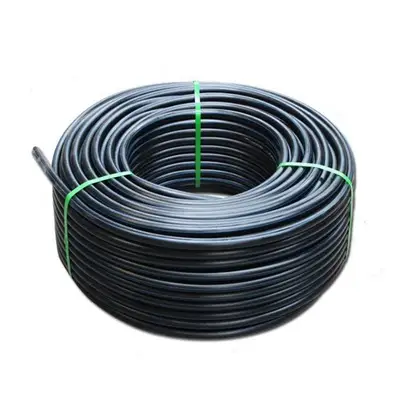

Sustainability is becoming an increasingly important consideration in agricultural infrastructure, including the production of irrigation pipes. As farmers seek more efficient ways to manage water and manufacturers work to reduce their environmental impact, the irrigation industry is exploring improvements in material use, energy consumption, waste management, and production efficiency. These changes can help manufacturers use resources more responsibly while maintaining the performance required for agricultural applications.
For buyers evaluating modern irrigation products, working with an experienced Irrigation Pipe Manufacturer can provide insight into product specifications, manufacturing processes, and material options. Sustainable production involves more than using recycled materials; it also includes improving manufacturing efficiency, reducing waste, extending product life, and supporting responsible end-of-life management. Understanding these practices helps agricultural businesses make informed purchasing decisions.
Why Sustainability Matters in Irrigation Pipe Production
Irrigation pipes are essential for transporting water from its source to crops, greenhouses, nurseries, and other agricultural areas. Their production requires raw materials, energy, water, and transportation, all of which can contribute to environmental impacts.
Manufacturers can reduce these impacts by improving resource efficiency throughout the production process. This may involve optimizing equipment, minimizing rejected products, reducing unnecessary packaging, and developing better systems for handling production waste.
Sustainable manufacturing can also support operational efficiency. Using materials more effectively and reducing production interruptions may help manufacturers control costs while maintaining consistent product quality.
The challenge is to achieve these improvements without compromising the strength, pressure capacity, dimensional accuracy, or durability required for the intended application.
Improving Raw Material Efficiency
Raw material selection is one of the most important aspects of sustainable irrigation pipe production. PVC and high-density polyethylene (HDPE) are commonly used in agricultural piping, and each has specific processing requirements and performance characteristics.
Manufacturers can improve material efficiency by carefully controlling pipe dimensions, optimizing production settings, and reducing defects that lead to rejected products.
Accurate material planning also helps prevent unnecessary consumption during manufacturing. Better process control can reduce the amount of material used in setup, trimming, and other production activities.
These improvements can lower waste generation while supporting consistent product specifications.
The Role of Recycled Materials
Recycling can contribute to more responsible use of plastics by diverting suitable materials from disposal and reducing demand for some virgin resources. However, the use of recycled material in irrigation pipes requires careful assessment.
The suitability of recycled content depends on the material type, source, processing history, intended application, and applicable standards. Contamination or inconsistent material properties can affect product performance if recycling and quality controls are inadequate.
Manufacturers must therefore evaluate recycled materials carefully and use them only where permitted and appropriate for the product’s intended purpose. Some applications may require specific material formulations or documented performance characteristics that limit the types of recycled content that can be used.
Buyers should request clear information about recycled content and verify that the finished pipe meets the necessary technical requirements. A product should not be considered sustainable solely because it contains recycled material.
Reducing Energy Consumption During Production
Pipe manufacturing involves processes such as material preparation, heating, extrusion, cooling, sizing, and cutting. These activities require energy, and inefficient equipment or operating practices can increase energy consumption per unit of output.
Manufacturers can improve energy efficiency through several measures:
- Maintaining motors, heaters, and production equipment.
- Optimizing extrusion and processing temperatures.
- Reducing unnecessary equipment idle time.
- Improving production scheduling to limit repeated setup operations.
- Monitoring energy use to identify inefficient processes.
- Considering more efficient equipment when upgrading production facilities.
The effectiveness of these measures depends on the manufacturing process and facility. Regular monitoring allows manufacturers to identify improvements that reduce energy use while preserving product consistency.
Lower energy consumption can also reduce operating expenses, making efficiency improvements beneficial from both environmental and business perspectives.
Minimizing Manufacturing Waste
Production waste can arise from startup operations, off-specification products, trimming, damaged materials, and packaging. Sustainable manufacturers seek to prevent waste at its source before considering reuse or recycling.
Better process monitoring can help identify dimensional variations and other defects early, reducing the number of pipes that must be rejected. Accurate production planning can also limit unnecessary material changes and excess inventory.
Where technically appropriate, certain clean production scrap may be reprocessed or returned to a suitable manufacturing stream. Such practices must follow material-specific controls and applicable product requirements.
Manufacturers should also separate different waste streams and work with qualified recycling or disposal providers where necessary.
Reducing waste helps conserve materials, improve resource efficiency, and limit the amount of production residue sent for disposal.
Designing Irrigation Pipes for Longer Service Life
Durability is a major part of sustainability because products that perform reliably for longer periods may require fewer replacements. Repeated replacement can increase material consumption, transportation demand, installation work, and disposal requirements.
Manufacturers can support longer service life by maintaining consistent dimensions, using suitable material grades, and verifying that products meet their intended pressure and environmental requirements.
For agricultural applications, durability depends on several factors, including:
- Internal operating pressure and possible pressure surges.
- Exposure to sunlight and temperature changes.
- Soil conditions and installation depth.
- Compatibility with fittings and connected equipment.
- Handling, installation, and maintenance practices.
A durable pipe must be suitable for its actual application. Overdesigning every product is not necessarily the most sustainable approach, since unnecessary material use can increase environmental impacts and costs.
The goal is to provide the appropriate level of performance for the expected service conditions.
Improving Water Efficiency Through Better Pipe Performance
Sustainable irrigation depends not only on how pipes are manufactured but also on how effectively they transport water once installed. Leaks, poorly designed networks, and excessive friction losses can reduce irrigation efficiency.
Manufacturers contribute by producing pipes with consistent dimensions and appropriate pressure ratings. Accurate dimensions help ensure compatibility with fittings, while suitable pressure performance supports reliable operation when the system is properly designed.
Pipe diameter is another important consideration. Undersized pipes can create excessive friction losses at a given flow rate, while appropriately sized pipes can help maintain the pressure needed by downstream irrigation equipment.
However, water efficiency depends on the complete irrigation system, including pumps, valves, filters, emitters, sprinklers, and operating schedules. Pipe selection should therefore be coordinated with hydraulic design rather than treated as an isolated purchasing decision.
Adopting Efficient Manufacturing Technologies
Modern manufacturing technology can help improve product consistency while reducing material and energy waste. Automated controls, production sensors, and digital monitoring systems can provide more accurate information about operating conditions.
For example, monitoring extrusion temperatures and line speeds can help manufacturers maintain consistent pipe dimensions and identify process deviations. Automated measurement systems can also detect certain defects earlier than manual inspection alone.
Digital production records may help manufacturers trace batches, investigate quality issues, and identify recurring sources of waste.
Technology investments must be appropriate for the size and needs of the facility. Even relatively simple improvements, such as equipment maintenance schedules and more systematic quality records, can contribute to more efficient production.
Managing Water Use in Manufacturing Facilities
Although irrigation pipes are designed to support agricultural water distribution, their production may also involve water use for cooling, cleaning, and other manufacturing activities.
Manufacturers can improve water efficiency by identifying where water is consumed and assessing opportunities for reuse. Closed-loop cooling systems, leak detection, and optimized process controls may reduce the demand for fresh water, depending on facility requirements.
Any reuse system must maintain suitable water quality for the process and comply with relevant safety and operational requirements.
Tracking water consumption over time can help manufacturers measure the effectiveness of improvement measures and identify opportunities for further reductions.
Reducing Packaging and Transportation Impacts
The environmental footprint of irrigation pipe production extends beyond the factory. Packaging materials, product storage, loading, and transportation can all contribute to resource use and emissions.
Manufacturers may reduce these impacts by optimizing packaging dimensions, minimizing unnecessary wrapping, and selecting packaging materials that are suitable for reuse or recycling.
Efficient loading plans can help transport more products per shipment when product dimensions and handling requirements permit. Better coordination between production schedules and delivery routes may also reduce avoidable transportation activity.
For buyers, purchasing quantities that match actual project requirements can help limit excess inventory, storage needs, and repeated deliveries.
These measures are most effective when manufacturers, distributors, and customers coordinate their planning and handling practices.
Supporting Circular Economy Practices
A circular approach aims to keep materials and products in useful circulation for as long as practical while reducing unnecessary waste. In irrigation pipe production, this may involve improving product durability, recovering suitable manufacturing scrap, and supporting responsible recycling where viable.
End-of-life management can be challenging because used agricultural pipes may contain soil, mineral deposits, chemical residues, or mixed materials. Collection, sorting, cleaning, and processing requirements depend on the condition and composition of the waste.
Manufacturers and agricultural businesses can support better outcomes by identifying suitable recovery channels and following local waste-management requirements.
Product design can also influence future recovery. Clear material identification and consistent product specifications may help downstream handlers determine the appropriate treatment or recycling route.
Recycling should not be assumed to be possible for every used pipe. Reuse and recovery decisions must consider contamination, structural condition, and the intended next application.
How Sustainability Relates to Product Quality and Cost
Sustainable manufacturing should be evaluated alongside product performance, safety, and cost. A product with a lower environmental footprint is not necessarily suitable for every irrigation system unless it also meets the project’s technical requirements.
Likewise, a low purchase price does not automatically indicate better value. Pipes that fail prematurely can require additional materials, transportation, labor, and replacement work.
When comparing products, buyers should review:
- Material type and documented specifications.
- Pipe dimensions and pressure rating.
- Applicable standards and available test records.
- Expected service conditions and maintenance needs.
- Information about recycled content, where relevant.
- Manufacturing or environmental claims supported by evidence.
- Total ownership costs over the expected service period.
A balanced assessment helps buyers avoid unsupported sustainability claims while identifying products that combine suitable performance with responsible resource use.
How Buyers Can Identify Responsible Manufacturers
Agricultural buyers can ask manufacturers specific questions to understand their environmental practices without relying solely on broad marketing statements.
Useful questions include:
- What measures are used to reduce production waste?
- How is energy consumption monitored and managed?
- Does the product contain recycled material, and is its use appropriate for the intended application?
- What quality checks ensure consistent dimensions and pressure performance?
- Are packaging and transportation practices reviewed for efficiency?
- Can the manufacturer provide documentation supporting its environmental or compliance claims?
- What handling, installation, and maintenance guidance is available to support product longevity?
Not every manufacturer will have the same sustainability programs or reporting capabilities. Buyers should focus on measurable practices, credible documentation, and evidence relevant to the products being purchased.
Future Trends in Sustainable Irrigation Pipe Manufacturing
Sustainable production is likely to continue developing as manufacturers respond to resource constraints, changing customer expectations, and improvements in industrial technology.
Potential areas of progress include more efficient extrusion equipment, improved production monitoring, better waste separation, responsible material recovery, and more detailed tracking of energy and water consumption.
Manufacturers may also place greater emphasis on product traceability and documentation that helps customers understand material composition and performance characteristics.
At the same time, sustainability initiatives must remain grounded in practical requirements. Irrigation pipes need to withstand their intended operating conditions, connect properly with system components, and deliver water reliably.
The most effective approaches combine measurable environmental improvements with consistent quality and suitability for agricultural use.
Conclusion
Sustainable manufacturing practices are shaping irrigation pipe production by encouraging more efficient material use, lower energy consumption, reduced waste, improved water management, and better product durability. These measures can help manufacturers reduce resource use while maintaining the technical performance required for agricultural irrigation systems.
For buyers, sustainability should be considered alongside pressure ratings, material quality, dimensional accuracy, compatibility, and total ownership cost. Reviewing technical specifications and asking for evidence behind environmental claims helps ensure that purchasing decisions are based on both performance and responsible production practices.
As the irrigation industry continues to evolve, manufacturers that combine efficient production methods with dependable product quality can contribute to more responsible resource management throughout the agricultural supply chain.