
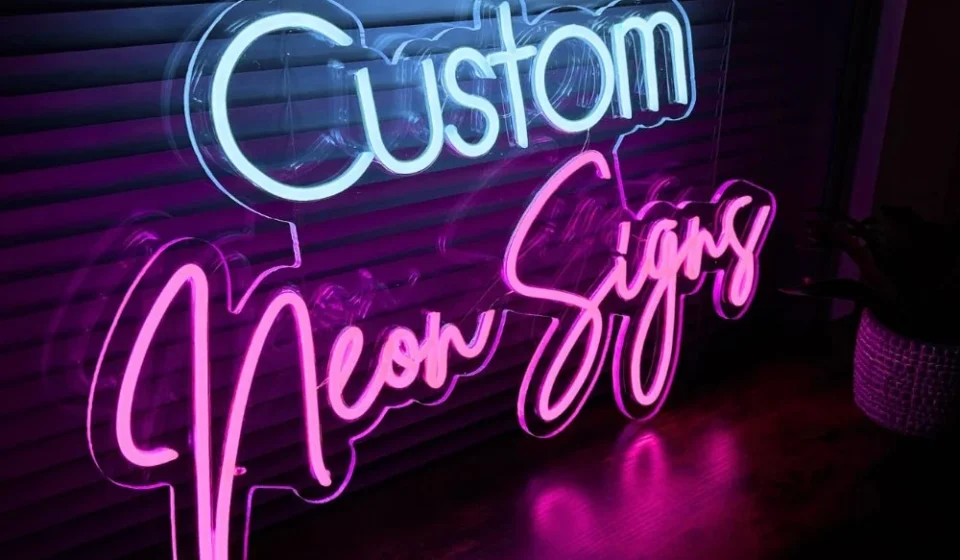

Energy efficiency has become an important consideration in modern lighting design, including the production of custom neon signs. Businesses and homeowners increasingly look for lighting solutions that provide attractive illumination while helping manage electricity consumption and operating costs. As a result, manufacturers are adopting newer technologies and refining their production methods to meet changing customer expectations.
Modern LED technology has significantly influenced the way neon-style signs are designed and manufactured. A professional Neon Sign Manufacturer can use LED-based lighting materials to create customized displays with flexible shapes, varied colors, and practical energy requirements. This shift has expanded the possibilities for decorative and commercial signage while encouraging greater attention to component quality and overall product performance.
1. The Shift from Traditional Neon to LED Technology
Traditional neon signs use glass tubes filled with gas that produce light when an electrical current passes through them. Although they remain popular for their distinctive appearance, they require specialized construction and electrical components.
Modern LED neon signs use flexible lighting materials designed to create a similar illuminated effect. Instead of gas-filled glass tubes, they rely on light-emitting diodes housed within protective flexible material.
This change has influenced production in several ways:
- Greater flexibility when creating custom shapes and lettering
- More options for color and lighting effects
- Reduced fragility compared with traditional glass tubing
- Lower operating temperatures in many applications
- Different installation and maintenance requirements
LED technology has made it possible to produce many decorative designs with greater manufacturing flexibility.
2. Reducing Electricity Consumption
One of the main reasons LED neon signs have gained popularity is their potential to consume less electricity than comparable traditional neon installations.
Energy consumption depends on several factors, including the sign’s dimensions, LED density, brightness, power supply, and operating hours. However, appropriately designed LED systems can provide effective illumination with relatively low power requirements.
For businesses that keep signs illuminated for extended periods, electricity consumption can be an important operating expense. Choosing an efficient lighting system may help reduce these costs over time.
Customers should compare actual wattage specifications rather than relying only on general energy-efficiency claims.
3. Improving Lighting Performance
Energy efficiency is not simply about using less electricity. A successful lighting solution should also provide suitable brightness, consistent colors, and clear visibility.
Modern LED neon materials are available in different brightness levels and color options. This allows manufacturers to adapt lighting performance to the intended application.
For example, a restaurant may prefer softer illumination for its interior, while a storefront may require a more noticeable display. Manufacturers can consider the viewing distance, surrounding light, sign dimensions, and design details when selecting appropriate lighting components.
Proper component selection helps balance visual appeal with electricity consumption.
4. Expanding Customization Possibilities
LED-based lighting has made custom neon sign production more adaptable. Flexible LED neon materials can be shaped into letters, symbols, outlines, and decorative graphics that suit different design requirements.
Customers can often choose from:
- Multiple colors and color combinations
- Different lettering and font styles
- Custom logos and illustrations
- Various sign dimensions
- Adjustable brightness options on compatible models
- Different backing and mounting arrangements
This flexibility is useful for businesses that want consistent branding as well as homeowners who prefer personalized decorative lighting.
5. Supporting More Durable Sign Construction
Traditional glass neon tubes can be fragile and may require careful handling during transportation and installation. Modern LED neon signs generally use flexible materials and backing panels that can be easier to handle in many applications.
However, durability depends on the quality of the complete product. LED strips, protective coverings, electrical connections, power supplies, and mounting components all influence long-term performance.
Manufacturers need to select suitable materials and assemble them carefully. Customers should also consider the intended installation environment, since indoor and outdoor signs may require different levels of protection.
6. Lowering Heat Output
LED lighting generally produces less heat than many traditional lighting technologies when comparing similar applications. This can be beneficial for decorative signage installed in enclosed areas, near displays, or in spaces where excessive heat is undesirable.
Lower operating temperatures may also reduce some thermal stress on surrounding materials. Nevertheless, LED systems still generate heat, and appropriate component selection and heat management remain important.
Manufacturers should ensure that the lighting materials and power supplies operate within their specified conditions.
7. Influencing Manufacturing Materials and Processes
The development of energy-efficient lighting has changed the components used in neon sign production. Manufacturers must understand how LED density, power requirements, protective materials, and electrical configurations affect the final product.
Modern production may involve:
- Preparing the digital design and dimensions.
- Selecting suitable LED neon materials.
- Cutting and shaping backing panels.
- Installing and securing the lighting components.
- Connecting compatible electrical accessories.
- Testing brightness and electrical performance.
- Inspecting the finished sign before packaging.
Each stage contributes to the final product’s appearance, reliability, and energy performance.
8. Making Signage More Practical for Different Industries
Energy-efficient LED neon signs are suitable for many commercial environments because they combine decorative lighting with flexible customization.
Retail stores: Illuminated logos and promotional displays can improve storefront presentation.
Restaurants and cafés: Decorative lettering and branded signs can create an inviting atmosphere.
Hotels: Custom displays can enhance reception areas, lounges, and entertainment spaces.
Offices: LED signs can display company names, logos, and directional information.
Event venues: Lightweight decorative signs can provide visual impact for celebrations, exhibitions, and promotional activities.
Their suitability for each location depends on the sign’s construction, brightness, electrical specifications, and installation conditions.
9. Supporting More Convenient Maintenance
LED neon signs can offer practical maintenance advantages compared with traditional glass neon systems. Their construction generally avoids the need for gas-filled glass tubes, which may reduce certain types of repair work.
However, LED products are not maintenance-free. Power supplies, wiring, connectors, and lighting sections may still require attention over time.
To maintain performance, users should follow the manufacturer’s cleaning instructions, avoid damaging the sign’s protective materials, and use compatible electrical accessories. For larger commercial installations, accessible mounting arrangements can also make inspection and maintenance more convenient.
10. Encouraging Better Product and Energy Specifications
As customers become more interested in energy consumption, manufacturers need to provide clearer product information. Specifications such as input voltage, rated power, brightness, operating conditions, and power supply details help buyers understand what they are purchasing.
A reliable supplier should be able to explain how the sign’s design affects electricity consumption and whether dimming or other control options are available.
Businesses can use this information to estimate operating costs and compare products with similar dimensions and lighting performance.
11. Considering the Environmental Impact
Energy-efficient lighting can contribute to lower electricity demand during product operation. This may help reduce the environmental impact associated with powering illuminated signage, depending on the source of electricity.
Other factors also matter, including material selection, product lifespan, packaging, transportation, and the disposal of electrical components.
Manufacturers can support more responsible production by improving material efficiency, reducing unnecessary waste, and designing products with practical maintenance and replacement options.
Conclusion
Energy-efficient lighting is influencing modern neon sign production by changing the materials, technologies, and manufacturing methods used to create illuminated displays. LED technology offers opportunities for reduced electricity consumption, flexible customization, lower operating temperatures, and practical construction.
However, energy efficiency should be evaluated alongside brightness, component quality, electrical safety, and durability. By considering these factors and reviewing product specifications carefully, customers can choose modern neon signage that provides attractive illumination while supporting more efficient everyday operation.