
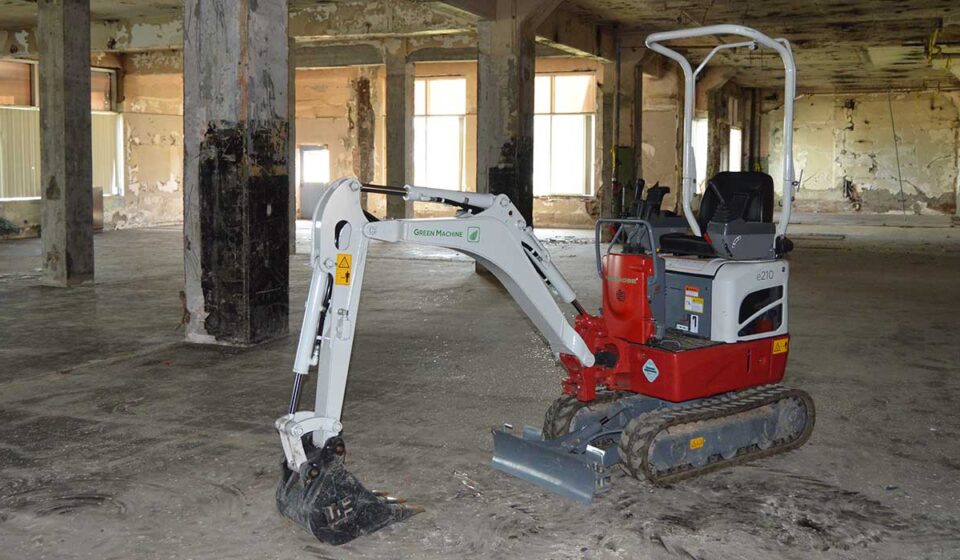

Selecting an excavator involves translating a project’s practical demands into measurable equipment requirements. Contractors may know that they need a compact machine for trenching or landscaping, but that description alone is not enough to identify the correct model. Digging depth, reach, bucket size, hydraulic output, operating weight, and energy capacity all influence whether a machine can complete the intended work.
When comparing an electric powered mini excavator, buyers should use the same evaluation process applied to other excavation equipment while giving additional attention to battery and charging specifications. The objective is to establish whether the machine can complete the required tasks safely, consistently, and within the available operating schedule.
Translate the Project Into Specific Requirements
Start by listing the activities the machine will perform. These might include trenching, foundation preparation, drainage installation, landscaping, material removal, or work around existing structures.
For each task, identify the required excavation dimensions, ground conditions, working area, and expected operating duration. Consider whether the machine will need to travel across slopes, work on soft surfaces, or operate close to walls and underground services.
A clear task description helps prevent buyers from focusing on specifications that have little relevance to their projects. For example, a contractor who mainly digs shallow service trenches may place greater importance on access width and trenching control than on maximum dumping height.
Compare Digging Depth and Reach
Maximum digging depth indicates how deeply the machine can excavate under the conditions defined by the manufacturer. Reach describes the distance the machine can work from its reference position, while dumping height affects its ability to place material into a container or at a suitable location.
These figures should be compared with the actual project drawings. A machine that reaches the required depth may still have limitations when positioning material or working over an obstacle.
Manufacturers may use different measurement methods or reference points, so buyers should examine specification diagrams rather than compare headline figures without context. If the project requires a particular working geometry, request confirmation from the supplier.
Understand Bucket Capacity and Digging Force
Bucket capacity influences the amount of material that can be handled in each cycle, but it should not be viewed independently of the machine’s digging force and stability.
A larger bucket may be suitable for loose soil but could be inappropriate for heavier or compacted material. The machine must be capable of filling and lifting the selected bucket within its operating limits.
Digging force or breakout force provides another point of comparison. Buyers should understand which force is being specified and how it relates to the boom, arm, and bucket configuration. If the work involves difficult ground, the supplier should confirm whether the model is appropriate for those conditions.
Evaluate Hydraulic Specifications
Hydraulic flow and pressure influence the operation of the working equipment and compatible attachments. These figures become particularly important when the contractor plans to use powered tools such as augers or breakers.
An attachment may require a particular flow range, pressure rating, or return-line arrangement. The machine’s specifications must meet those requirements, and the manufacturer should confirm compatibility.
Do not assume that an attachment suitable for one mini excavator will work correctly on another. Differences in hydraulic configuration, connection type, control arrangements, and machine capacity can affect performance.
Match Machine Weight to the Site
Operating weight influences transport requirements, ground pressure, stability, and access. A heavier machine may offer advantages for certain demanding tasks, but it can also create problems on weak surfaces or in buildings with limited floor capacity.
The buyer should compare machine weight with the ground conditions and any structural restrictions at the site. Consider how the excavator will be transported, loaded, unloaded, and moved between work areas.
Track width and ground clearance are also relevant. A machine may be compact overall but still be unsuitable for a narrow gate or a route with limited overhead clearance.
Include Battery Capacity and Charging Time
Electric equipment requires a separate review of energy specifications. Battery capacity indicates stored energy, while usable capacity and actual runtime depend on the machine’s design and operating conditions.
Ask the supplier for realistic information about charging time, compatible power supplies, energy monitoring, and the recommended charging process. The daily workload should be compared with the expected energy available during the shift.
A machine with adequate digging specifications may still be impractical if its charging requirements cannot be accommodated. Include charging infrastructure and any electrical upgrades in the equipment comparison.
Review Operator Controls and Visibility
Specifications do not describe the complete operating experience. The operator should be able to understand the controls, see the working area, access safety devices, and work from a position that supports effective control.
Where possible, arrange a demonstration. Test the machine on a representative task and assess movement, control response, visibility, and ease of attachment changes. This can reveal practical differences that a data sheet does not show.
Compare Service and Warranty Arrangements
A purchase decision should include the availability of maintenance support, replacement parts, battery warranty, and qualified technicians. Contractors should understand which components require specialist attention and how routine servicing will be organised.
A machine that meets every technical requirement may still be a poor choice if service support is unreliable or parts are difficult to obtain.
Use a Consistent Comparison Method
A specification comparison is most useful when every machine is assessed against the same project requirements. Create a shortlist, record the relevant measurements, and identify any areas where the supplier needs to provide clarification.
The final decision should balance capability, access, energy planning, operating costs, and support. Selecting equipment through this process helps contractors avoid paying for unnecessary capacity or choosing a machine that cannot meet the demands of the job.

