
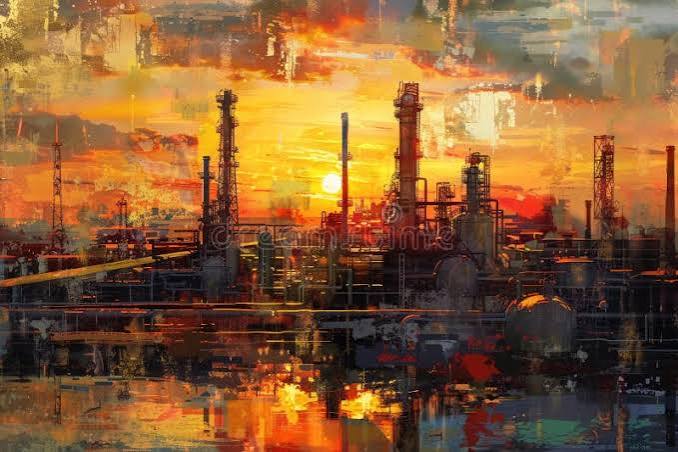

Custom oil paintings offer a unique way to transform personal ideas, creative concepts, and decorative preferences into original works of art. Unlike standard printed wall decorations, customized oil paintings involve careful planning, artistic interpretation, and detailed manual work. Customers can choose specific subjects, colors, dimensions, and painting styles to create artwork that reflects their individual preferences.
A professional oil painting factory helps turn these ideas into finished paintings through an organized production process. Artists, designers, and production specialists work together to understand customer requirements, prepare suitable materials, develop the composition, and complete the final artwork. From the first discussion to packaging and delivery, every stage contributes to the quality and appearance of the finished painting.
What Is Custom Oil Painting Production?
Custom oil painting production is the process of creating artwork according to specific customer instructions rather than selecting an existing design from a standard collection.
Customers may provide photographs, sketches, reference images, written descriptions, or interior design concepts. Artists use these materials as inspiration to develop a painting that meets the requested specifications.
Customization can involve several elements:
- Subject selection: Landscapes, portraits, animals, flowers, abstract compositions, and other themes.
- Painting dimensions: Specific canvas sizes based on available wall space.
- Color preferences: Adjustments to match furniture, lighting, and interior decoration.
- Artistic style: Realistic, impressionistic, traditional, or contemporary approaches.
- Texture and finish: Different brush techniques and paint applications.
- Framing: Frame designs and finishes that complement the artwork.
This flexibility makes custom oil paintings suitable for homeowners, interior designers, hotels, art retailers, and commercial property developers.
Step 1: Understanding Customer Ideas and Requirements
Every customized painting begins with understanding what the customer wants to achieve. Clear communication at this stage helps prevent misunderstandings during production.
Customers may have a specific image in mind or only a general concept that needs further development.
Collecting Design References
Artists and designers may request photographs, sketches, sample paintings, or visual references to understand the intended composition.
For example, a customer requesting a landscape painting may provide a photograph of a mountain scene and ask for warmer colors, a wider composition, or additional natural details.
These references help establish the overall direction of the artwork.
Identifying Customer Preferences
The production team should clarify important details, including:
- Preferred painting subject.
- Required canvas dimensions.
- Main and secondary colors.
- Desired artistic style.
- Background and composition preferences.
- Framing and finishing requirements.
Having these details documented makes it easier for artists to follow the approved design.
Step 2: Developing the Initial Artwork Concept
After collecting customer requirements, the design team develops an initial concept.
This stage transforms general ideas into a practical composition that artists can use during production.
Creating the Composition
Artists determine the placement of major objects, background elements, and important visual details.
They consider balance, perspective, proportions, and the relationship between different parts of the painting.
For example, a customized floral painting may require adjustments to flower placement, background colors, and the arrangement of decorative elements.
Selecting the Artistic Approach
Different painting styles create different visual effects.
A realistic approach focuses on accurate proportions and detailed representation, while an impressionistic style uses expressive brushwork and color relationships.
The selected approach should reflect the customer’s preferences and the intended display environment.
Reviewing the Proposed Design
Where necessary, artists may prepare a sketch or digital reference for customer review.
This provides an opportunity to discuss changes before the painting process begins.
Step 3: Selecting Suitable Materials
Material selection has a direct influence on the appearance, texture, and durability of custom oil paintings.
The materials should be appropriate for the selected design and painting techniques.
Choosing the Canvas
Cotton and linen are common canvas materials used in oil painting production.
Cotton canvas is widely used because of its versatility and availability. Linen is often selected for its strength and distinctive surface characteristics.
The canvas dimensions should also match the approved design.
Selecting Oil Paints
Oil paints consist of pigments suspended in drying oils. Their color properties, transparency, and consistency influence the final appearance.
Artists select suitable pigments based on the requested color scheme and artistic effects.
Preparing Supporting Materials
Other materials may include:
- Primers and gesso.
- Different types of paintbrushes.
- Palette knives.
- Wooden stretcher frames.
- Easels and mixing palettes.
- Suitable finishing and protective products.
Using appropriate materials helps create a stable foundation for the painting process.
Step 4: Preparing the Canvas for Painting
Before applying paint, the canvas must be properly prepared.
If the canvas is not already stretched, it is secured to a wooden stretcher frame. This creates a stable surface for the artist.
A primer or gesso layer is then applied when required. Priming helps regulate paint absorption and improves the suitability of the surface for oil painting.
Depending on the desired texture, artists may lightly sand the primed surface to achieve a smoother finish.
Proper preparation reduces surface irregularities and supports more consistent paint application.
Step 5: Sketching and Transferring the Design
Once the canvas is ready, artists transfer the approved composition onto the painting surface.
This may involve freehand sketching, proportional measurements, or transferring a prepared drawing.
The sketch establishes the basic structure of the artwork, including:
- Main objects and subjects.
- Background elements.
- Perspective and proportions.
- Important outlines and shapes.
- Placement of highlights and shadows.
Accurate sketching helps artists maintain the intended composition throughout the painting process.
Step 6: Applying the First Layers of Oil Paint
The painting process begins with the application of initial colors and underpainting.
These early layers establish the artwork’s basic tonal structure, background, and major shapes.
Artists generally work from broader areas toward more detailed sections, although the exact approach depends on the painting technique.
An underpainting may use neutral or limited colors to establish light and shadow before the main color layers are developed.
This stage provides the foundation for the finished composition.
Step 7: Developing Colors, Textures, and Fine Details
After establishing the basic structure, artists gradually add color variations, highlights, shadows, and smaller details.
This is one of the most important stages because it determines much of the painting’s final visual character.
Color Blending
Artists blend different pigments to create smooth transitions and balanced color combinations.
Oil paints provide extended working time, allowing painters to adjust and refine colors while the paint remains workable.
Texture Development
Different tools and application techniques can produce distinctive textures.
Palette knives may create raised paint surfaces, while softer brushes can produce smooth transitions and delicate details.
Adding Fine Details
The final details depend on the artwork’s subject.
Portraits may require careful treatment of facial expressions, skin tones, and hair. Landscape paintings may need detailed trees, water reflections, clouds, and architectural elements.
Artists gradually refine these features until the composition reaches the intended appearance.
Step 8: Reviewing Customer Requirements During Production
Customer feedback can be useful during custom artwork production, particularly when the painting involves complex design requirements.
The production team should compare the developing artwork with the approved specifications.
Important review areas include:
- Overall composition and subject placement.
- Color combinations and tonal balance.
- Painting dimensions.
- Artistic style and texture.
- Inclusion of requested design elements.
If adjustments are needed, they should be discussed at an appropriate stage before the painting progresses too far.
Clear communication helps reduce unnecessary corrections and production delays.
Step 9: Drying and Finishing the Artwork
Oil paintings require sufficient drying time because their drying process differs from that of water-based paints.
The required time depends on the pigments, drying oils, paint thickness, and environmental conditions.
Thin layers may dry relatively quickly, while thick applications can take considerably longer.
Once the painting has dried and cured sufficiently, suitable finishing procedures can be completed.
A protective varnish may be applied according to the manufacturer’s recommendations. It can improve the appearance of the surface and provide additional protection against dust and environmental exposure.
Step 10: Final Quality Inspection
Before packaging, the completed painting should undergo a thorough inspection.
This stage ensures that the finished artwork meets the approved design and quality requirements.
Visual Inspection
Inspectors examine the composition, color consistency, brushwork, and overall presentation.
Surface Inspection
The painting should be checked for unwanted marks, scratches, cracks, and other visible imperfections.
Structural Inspection
Canvas tension, stretcher frame condition, and framing stability should also be evaluated.
Specification Verification
The final artwork should be compared with the original order details to confirm that the dimensions, subject, and requested design elements are correct.
Any necessary corrections should be completed before the painting is prepared for shipment.
Step 11: Framing and Presentation
Framing is an important part of the final presentation, particularly when customers want artwork that is ready to display.
Different frame styles can complement different painting categories.
Traditional paintings may work well with decorative wooden frames, while contemporary compositions may suit simpler and more minimal designs.
Customers may also choose unframed canvas paintings, depending on their decorative preferences.
The selected frame should complement the artwork without distracting from its main composition.
Step 12: Packaging and Delivery
The final stage involves preparing the painting for safe transportation.
Proper packaging is particularly important for large, framed, and customized artwork.
Manufacturers should use suitable protective materials to reduce the risk of scratches, pressure damage, and movement during shipping.
Common packaging measures include:
- Protective surface coverings.
- Corner protectors for framed paintings.
- Strong cartons or suitable crates.
- Internal cushioning materials.
- Clear handling instructions.
Delivery arrangements and expected timelines should be confirmed before the order is dispatched.
Popular Custom Oil Painting Ideas
Custom oil painting production supports many different subjects and artistic preferences.
Some popular options include:
Personalized Portrait Paintings
Portraits based on individual photographs are frequently requested for family decoration, gifts, and personal collections.
Nature and Landscape Artwork
Mountain scenes, beaches, forests, rivers, and countryside views are suitable for creating peaceful interior environments.
Abstract Decorative Paintings
Abstract artwork allows customers to select specific colors, shapes, textures, and compositions that complement contemporary interiors.
Floral Paintings
Flower arrangements and botanical compositions are popular choices for bedrooms, living rooms, and hospitality spaces.
Cityscape and Architectural Artwork
Customized cityscapes can represent favorite locations, recognizable buildings, or urban environments.
Large-Scale Decorative Paintings
Large-format paintings can be designed for hotel lobbies, commercial interiors, conference rooms, and spacious residential areas.
Benefits of Working With a Professional Custom Painting Manufacturer
Choosing an experienced production partner can make the customization process more organized and predictable.
Important advantages include:
Greater design flexibility: Customers can request artwork that reflects their preferred subject, colors, and dimensions.
Access to skilled artists: Experienced painters can interpret references and apply suitable artistic techniques.
Material selection: Professional manufacturers can recommend appropriate canvases, pigments, and finishing materials.
Organized production: Structured workflows help manage different stages of customized orders.
Quality management: Inspection procedures help ensure that the finished painting meets the agreed requirements.
Bulk order support: Established production facilities may be able to coordinate multiple customized paintings for retailers and commercial projects.
Common Challenges in Custom Oil Painting Production
Although customization provides greater creative freedom, it also introduces certain production challenges.
Unclear Customer Instructions
Incomplete descriptions or low-quality reference images can create confusion. Detailed specifications and early design discussions help reduce this problem.
Complex Design Requirements
Highly detailed compositions may require additional artistic work and longer production schedules.
Color Differences
Colors may appear different under various lighting conditions. Approved visual references and careful pigment selection can help manage expectations.
Drying Time
Oil paintings cannot always be shipped immediately after the final paint application. Manufacturers must account for appropriate drying and curing periods.
Managing Multiple Orders
Handling different customized designs simultaneously requires effective communication, scheduling, and quality monitoring.
Addressing these challenges helps manufacturers maintain both artistic standards and production efficiency.
Conclusion
Custom oil painting production is a detailed process that transforms customer ideas into finished handmade artwork. It involves understanding design preferences, developing compositions, selecting materials, preparing canvases, applying paint, refining details, and completing final inspections.
Every stage requires coordination between customers, designers, artists, and production specialists. A well-organized manufacturing process helps ensure that customized paintings reflect the intended design while maintaining appropriate craftsmanship and material quality.
For businesses such as ARTLAND, combining skilled artistic work with organized production practices is an important consideration in serving customers with different decorative preferences. As demand for personalized wall art continues to develop, custom oil paintings will remain a valuable option for creating distinctive artwork that reflects individual ideas and creative expression.