

Printing technology plays an important role in modern business operations, particularly in industries that handle frequent customer transactions and require accurate documentation. From retail stores and restaurants to hospitals, banks, and transportation facilities, businesses depend on reliable printing equipment to generate receipts, payment records, and transaction details. As digital payment systems become more widespread, the demand for fast and convenient receipt printing continues to grow.
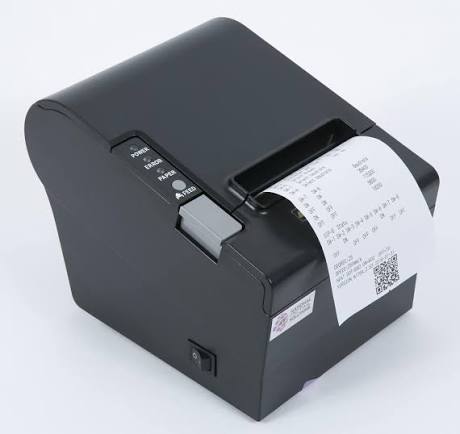
A Thermal Receipt Printer is widely used in these environments because it produces printed information through heat-sensitive paper rather than conventional ink or toner. Its compact design, relatively quiet operation, and fast printing capabilities make it suitable for different commercial applications. Understanding where these devices are used helps explain their importance in everyday business activities.
Understanding Thermal Receipt Printing Technology
A thermal receipt printer uses a specialized printhead containing small heating elements to produce text, numbers, barcodes, and graphics. In direct thermal printing, the printhead applies controlled heat to specially coated paper, causing specific areas to darken and form the required information.
Unlike traditional ink-based printers, direct thermal models do not require ink cartridges or toner. This makes their operation relatively straightforward and reduces the number of consumable components businesses need to manage.
Most modern receipt printers can connect to POS terminals, computers, tablets, and other compatible devices through USB, Ethernet, Bluetooth, or Wi-Fi, depending on the model.
These characteristics make thermal printing useful in industries where businesses need to produce short documents quickly and consistently.
1. Retail Stores and Supermarkets
Retail businesses are among the most common users of thermal receipt printers. Every completed purchase generally requires a transaction record containing product descriptions, quantities, prices, discounts, and payment information.
Thermal printers help retail employees generate these documents quickly, reducing unnecessary delays at checkout counters.
Common retail applications include:
- Customer purchase receipts.
- Refund and exchange records.
- Transaction confirmation slips.
- Loyalty program information.
- Promotional coupons.
- Barcode-based transaction references.
Supermarkets particularly benefit from fast receipt production because they process large numbers of purchases throughout the day.
Their ability to integrate with barcode scanners, cash drawers, and POS software also makes thermal printers a practical component of modern checkout systems.
2. Restaurants, Cafes, and Food Service Businesses
Restaurants require efficient communication between customer service areas, payment counters, and kitchen staff. Thermal receipt printers help manage several printing tasks within these environments.
At checkout counters, they generate customer bills containing food items, quantities, service charges, taxes, and payment totals.
In kitchens, compatible receipt printers can produce order tickets that communicate customer selections to preparation staff.
Typical applications include:
- Customer bills and payment receipts.
- Kitchen order tickets.
- Takeaway order confirmations.
- Delivery transaction records.
- Table-wise order summaries.
Fast printing can help restaurants manage busy service periods and reduce delays caused by manual order documentation.
However, businesses should select equipment with suitable environmental protection and installation arrangements, especially in kitchen areas exposed to heat, grease, or moisture.
3. Banking and Financial Institutions
Banks and financial service providers handle numerous transactions that require immediate documentation. Thermal printers are commonly used to generate short transaction records for customers and employees.
Their compact size and relatively quiet operation make them suitable for service counters and automated financial equipment.
Common applications include:
- Cash deposit receipts.
- Withdrawal confirmation slips.
- Account transaction records.
- Payment acknowledgments.
- Queue management tickets.
- ATM transaction receipts.
In automated teller machines, thermal printing provides customers with a physical summary of completed transactions.
Banks may also use these printers in self-service kiosks and other automated systems where fast, consistent document production is important.
4. Healthcare Facilities and Hospitals
Healthcare organizations use printing equipment to support administrative activities, payment processing, and patient service management.
Thermal receipt printers are commonly found at hospital reception desks, pharmacy counters, diagnostic centers, and billing departments.
Their applications may include:
- Consultation payment receipts.
- Pharmacy transaction records.
- Appointment confirmation slips.
- Laboratory payment records.
- Patient queue tickets.
- Service payment acknowledgments.
These printed documents help patients maintain records of completed payments and scheduled services.
Healthcare facilities should also ensure that printers are integrated with appropriate information systems and that sensitive patient information is handled according to applicable privacy and security requirements.
5. Transportation and Ticketing Services
Transportation businesses require efficient systems for issuing tickets, confirming payments, and managing passenger information.
Thermal printing technology is useful in locations where tickets or transaction slips must be produced quickly.
Common applications include:
- Bus ticket receipts.
- Train ticket confirmations.
- Parking payment records.
- Ferry ticket documentation.
- Passenger queue tickets.
- Transportation booking receipts.
Bus terminals, railway stations, and parking facilities often process transactions continuously. Thermal printers help reduce the time required to generate physical documents.
Compact models can also be integrated into automated ticketing machines and mobile payment terminals.
6. Hotels and Hospitality Businesses
Hotels and hospitality providers manage several customer transactions throughout the day, including room payments, restaurant bills, service charges, and additional purchases.
Thermal receipt printers support these activities by generating transaction records directly from compatible hotel management and POS systems.
Typical applications include:
- Guest payment receipts.
- Restaurant and room-service bills.
- Booking payment confirmations.
- Spa and facility service receipts.
- Additional service transaction records.
At reception counters, compact thermal printers can fit alongside computers, payment terminals, and other administrative equipment.
Their relatively quiet operation is also useful in customer-facing environments where maintaining a comfortable atmosphere is important.
7. Pharmacies and Medical Retail Stores
Pharmacies process regular transactions involving prescription products, over-the-counter medicines, healthcare supplies, and personal care items.
Thermal receipt printers help pharmacists and retail employees provide customers with detailed purchase records.
Their common uses include:
- Medicine purchase receipts.
- Payment confirmations.
- Product return documentation.
- Tax and transaction summaries.
- Customer purchase records.
When connected to pharmacy management software, receipt printers can automatically reproduce product names, quantities, prices, and other relevant transaction details.
Pharmacies should ensure that printed information follows applicable rules for prescription documentation and customer privacy.
8. Parking Facilities and Payment Stations
Parking operators often use automated payment systems to manage vehicle entry, parking duration, and customer payments.
Thermal printers can produce short tickets and payment receipts that contain transaction references, timestamps, parking charges, and other relevant details.
Their applications include:
- Parking entry tickets.
- Exit payment receipts.
- Prepaid parking confirmations.
- Payment kiosk documentation.
- Monthly parking transaction records.
Fast printing is particularly useful in busy parking facilities because it helps reduce delays at entry and exit points.
Some systems also include QR codes or barcodes that support automated ticket verification.
9. Entertainment Centers and Event Venues
Entertainment businesses frequently issue tickets and payment records for activities, attractions, and special events.
Thermal printing technology can support these operations through fast production of compact documents.
Common applications include:
- Cinema payment receipts.
- Amusement park tickets.
- Museum entry confirmations.
- Concert transaction slips.
- Gaming center payment records.
- Event registration tickets.
For facilities with high visitor numbers, reliable printing helps employees manage customer entry and payment activities more efficiently.
Some ticketing systems also use printed barcodes or QR codes to simplify access verification.
10. Logistics, Warehousing, and Delivery Services
Logistics companies manage shipments, deliveries, payment collections, and customer transactions. Although thermal label printers are more common for shipping labels, thermal receipt printers also support several documentation tasks.
Their applications may include:
- Delivery payment receipts.
- Customer collection confirmations.
- Shipment service payment records.
- Counter transaction documentation.
- Cash-on-delivery payment slips.
In courier service centers, thermal receipt printers can generate customer receipts after shipment processing or payment collection.
Businesses should distinguish between receipt printers and dedicated label printers because their paper formats, printing mechanisms, and intended applications may differ.
11. Educational Institutions
Schools, colleges, universities, and training centers also use thermal printing technology for administrative and payment-related activities.
These devices can simplify the production of short documents at administrative counters.
Common applications include:
- Tuition fee receipts.
- Library payment confirmations.
- Cafeteria purchase receipts.
- Examination fee records.
- Student service payment slips.
- Queue management tickets.
When integrated with student management or accounting software, thermal printers can help institutions generate consistent payment documentation.
12. Government Offices and Public Service Centers
Government departments and public service facilities handle different types of applications, payments, and administrative transactions.
Thermal printers are useful in environments where visitors need immediate confirmation of completed services.
Examples include:
- Application fee receipts.
- Tax payment confirmations.
- Public service transaction records.
- Queue management tickets.
- License processing receipts.
- Utility payment slips.
These printers can be integrated into service counters and automated kiosks, helping public facilities organize customer transactions.
13. Self-Service Kiosks and Automated Machines
Self-service technology is becoming increasingly common across retail, transportation, hospitality, and public services.
Thermal receipt printers are frequently incorporated into these systems because they can produce transaction records without requiring direct employee involvement.
Examples include:
- Supermarket self-checkout machines.
- Restaurant ordering kiosks.
- ATM machines.
- Parking payment terminals.
- Ticket vending machines.
- Automated service stations.
In these applications, printers receive information directly from the kiosk’s internal software and produce receipts or tickets after a transaction is completed.
Their compact designs make them suitable for integration into automated equipment with limited internal space.
14. Mobile Businesses and Outdoor Retail
Not every business operates from a permanent physical location. Food trucks, outdoor vendors, market stalls, and delivery services often require flexible payment and printing arrangements.
Portable thermal receipt printers can connect to compatible smartphones or tablets through Bluetooth or Wi-Fi.
Depending on the model, battery-powered options allow employees to print receipts without depending on a fixed electrical outlet.
These devices are useful for:
- Outdoor market transactions.
- Food truck purchases.
- Mobile delivery payments.
- Temporary retail counters.
- On-site service payments.
- Event merchandise sales.
Their portability helps businesses provide physical transaction records in locations where conventional checkout equipment may be inconvenient.
Key Features That Make Thermal Receipt Printers Suitable for Different Industries
Although business applications vary, several common features make thermal printers useful across multiple sectors.
Fast Printing Performance
Thermal printers can generate receipts quickly, helping businesses handle frequent transactions and reduce customer waiting times.
Compact Construction
Their relatively small dimensions make them suitable for checkout counters, reception desks, kiosks, and mobile POS arrangements.
Multiple Connectivity Options
USB, Ethernet, Bluetooth, and Wi-Fi interfaces allow compatible printers to integrate with different hardware configurations.
Reduced Consumable Requirements
Direct thermal printing does not require conventional ink or toner. This simplifies supply management and reduces certain recurring operating expenses.
Quiet Operation
The absence of mechanical striking mechanisms makes thermal printers suitable for customer-facing locations where excessive noise may be undesirable.
Convenient Maintenance
Many models feature straightforward paper-loading mechanisms and relatively simple internal designs, making routine maintenance easier.
How to Select the Right Thermal Receipt Printer for Your Industry
Choosing appropriate equipment requires understanding the specific demands of the working environment.
Businesses should evaluate the following factors before purchasing:
| Selection Factor | What to Consider |
|---|---|
| Printing speed | Daily transaction volume and checkout requirements |
| Resolution | Text readability and barcode clarity |
| Paper width | 58 mm or 80 mm receipt requirements |
| Connectivity | USB, Ethernet, Bluetooth, or Wi-Fi |
| Durability | Expected workload and operating conditions |
| Automatic cutter | Whether frequent receipt separation is required |
| Software compatibility | POS systems, drivers, and operating systems |
| Maintenance | Cleaning requirements and replacement parts |
| Warranty | Service coverage and technical assistance |
For example, a small retail shop may prioritize affordability and compact dimensions, while a supermarket may require higher printing speeds and durable cutting mechanisms.
Similarly, a restaurant may need network connectivity for kitchen order printing, whereas a mobile vendor may benefit more from Bluetooth connectivity and battery operation.
Maintenance Practices for Long-Term Printing Performance
Regardless of the industry, regular maintenance helps thermal printers maintain consistent performance.
Businesses should follow several basic practices:
- Clean the printhead regularly using an approved cleaning method.
- Use compatible thermal paper that meets the manufacturer’s specifications.
- Inspect the platen roller for accumulated dust or damage.
- Keep the printer away from excessive heat and moisture.
- Remove paper debris from the printing compartment.
- Check cables and wireless connections periodically.
- Replace worn components when necessary.
- Follow recommended software and firmware update procedures.
Employees should also receive basic training on paper replacement and common troubleshooting procedures.
These measures can reduce avoidable printing problems and help extend equipment service life.
Future Trends in Thermal Receipt Printer Applications
The use of thermal printing technology continues to change as businesses adopt digital payment platforms, automated services, and cloud-based management systems.
One important development is the integration of receipt printers with mobile POS equipment. Wireless communication allows businesses to process transactions and produce receipts in more flexible environments.
Another trend is the combination of physical and electronic receipts. Customers may choose printed documentation or receive transaction information through email, text messages, and mobile applications.
Manufacturers are also working on more compact designs, improved connectivity, and better component durability to meet changing business requirements.
As automation expands across different industries, thermal printers are likely to remain useful components of systems that require fast and convenient physical documentation.
Conclusion
Thermal receipt printers have become important tools across numerous industries because they provide a practical way to produce transaction records, payment confirmations, and other short documents. Their applications extend beyond traditional retail environments to restaurants, hospitals, banks, transportation facilities, hotels, educational institutions, and automated service systems.
Their printing speed, compact design, connectivity options, and relatively simple maintenance make them suitable for a wide range of business requirements. However, selecting the right equipment requires evaluating transaction volume, paper compatibility, operating conditions, and software integration.
By understanding the specific needs of their industry, businesses can choose suitable thermal printing solutions that support efficient workflows, organized documentation, and reliable customer service.
