
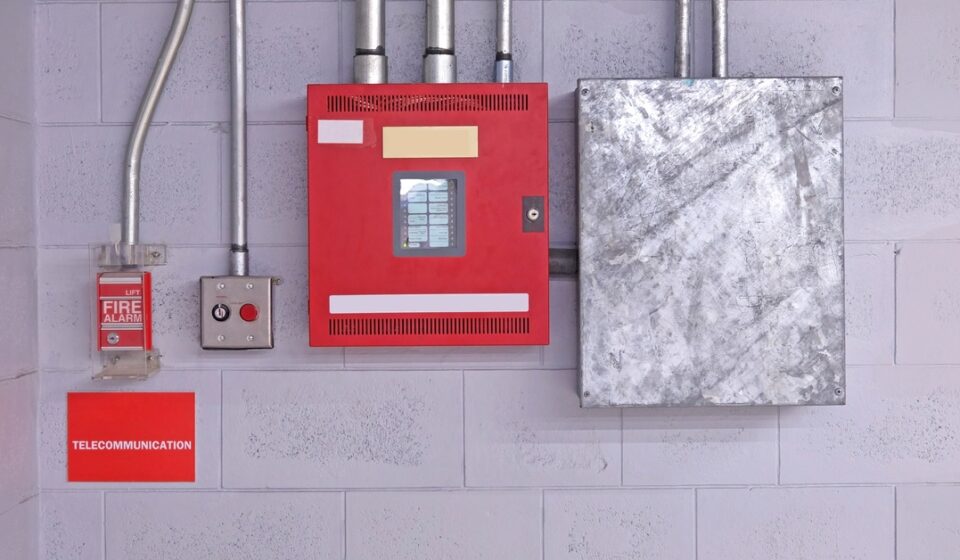

A well-designed security system depends not only on quality equipment but also on proper installation. Even the most advanced alarm panels, sensors, and detectors can experience performance issues if the Alarm Wire is installed incorrectly. Proper wiring ensures reliable signal transmission, minimizes maintenance problems, and extends the lifespan of the entire security system.
Whether you are installing a residential alarm system, a commercial security network, or an access control solution, following proven installation practices can significantly improve system reliability. Here are the most important alarm wire installation tips to achieve dependable performance.
Choose the Right Alarm Wire
The installation process begins with selecting the correct Alarm Wire for your application. Different security systems have different wiring requirements based on the type of devices being connected.
Before installation, consider:
- Wire gauge
- Number of conductors
- Indoor or outdoor use
- Shielded or unshielded construction
- Environmental conditions
Using the appropriate wire helps ensure optimal system performance from the start.
Plan the Cable Route
Careful planning can prevent many installation problems.
Before running any alarm wire:
- Measure cable distances accurately.
- Identify the shortest practical route.
- Avoid unnecessary bends and loops.
- Keep future maintenance in mind.
- Plan routes that protect the cable from physical damage.
A well-planned installation saves time and reduces material waste.
Keep Alarm Wire Away from High-Voltage Cables
One of the most important installation rules is to separate low-voltage alarm wire from high-voltage electrical wiring.
Running alarm wire alongside power cables can introduce electromagnetic interference (EMI), leading to:
- Signal degradation
- False alarms
- Communication errors
- Reduced system reliability
Whenever possible, maintain adequate separation between alarm wiring and electrical circuits.
Avoid Sharp Bends
Alarm wire should never be bent beyond its recommended bend radius.
Sharp bends may:
- Damage conductors
- Crack insulation
- Reduce signal quality
- Shorten cable lifespan
Use smooth curves when routing the wire around corners or through conduits to preserve its integrity.
Protect the Cable from Physical Damage
Alarm wire often passes through walls, ceilings, floors, and conduits. During installation, it is important to protect it from physical stress.
Use proper supports and protective measures to avoid:
- Crushing
- Pinching
- Abrasion
- Excessive pulling
- Accidental cuts
Protecting the cable helps maintain long-term system reliability.
Leave Extra Cable Length
Avoid cutting cable to the exact required length.
Leaving a small amount of extra wire at connection points provides several advantages:
- Easier device replacement
- Simpler future maintenance
- More convenient troubleshooting
- Reduced strain on cable connections
Proper cable management improves both installation quality and serviceability.
Label Every Cable
Clearly labeling each Alarm Wire during installation simplifies future maintenance and repairs.
Labels should identify:
- Device location
- Cable destination
- Alarm zone
- Control panel connection
Proper documentation reduces troubleshooting time and helps technicians quickly identify cable runs.
Use Proper Cable Supports
Alarm wire should be securely fastened throughout the installation.
Suitable cable supports help:
- Prevent sagging
- Reduce mechanical stress
- Maintain organized cable routing
- Protect against accidental damage
Avoid over-tightening cable ties, as excessive pressure may damage the cable jacket or conductors.
Make Secure Connections
Reliable electrical connections are essential for dependable alarm system performance.
When terminating alarm wire:
- Strip insulation carefully.
- Avoid damaging conductors.
- Tighten terminals securely.
- Confirm proper polarity where required.
- Inspect all connections before completing the installation.
Poor connections are one of the most common causes of alarm system faults.
Test the Wiring Before System Activation
Never assume that an installation is complete without testing.
Verify:
- Cable continuity
- Correct device connections
- Signal integrity
- Voltage levels where applicable
- Proper operation of every alarm device
Comprehensive testing helps identify wiring issues before the system is placed into service.
Consider Future Expansion
Security systems often expand over time.
When installing alarm wire, consider leaving capacity for future additions such as:
- Extra motion detectors
- Additional door contacts
- More alarm zones
- Access control devices
- Smart security equipment
Planning ahead reduces future installation costs and minimizes disruption during upgrades.
Follow Local Codes and Industry Standards
Every installation should comply with applicable electrical and building regulations.
Following recognized standards helps ensure:
- Safe installation practices
- Reliable system performance
- Regulatory compliance
- Long-term durability
Professional installations that follow industry guidelines typically require less maintenance over time.
Choose High-Quality Alarm Wire
Even the best installation techniques cannot compensate for poor-quality cable.
Selecting high-quality alarm wire provides:
- Better signal transmission
- Greater durability
- Improved insulation
- Longer service life
- Reduced maintenance requirements
Investing in quality materials supports dependable performance throughout the life of the security system.
Conclusion
Proper installation of Alarm Wire is essential for building a reliable and efficient security system. Careful planning, correct cable selection, proper routing, secure connections, and thorough testing all contribute to dependable system performance. By keeping alarm wire away from electrical interference, protecting it from physical damage, labeling cable runs, and following industry best practices, installers can create security systems that operate consistently and require less maintenance. Combined with high-quality alarm wire, these installation techniques help ensure long-lasting protection for residential, commercial, and industrial applications.