
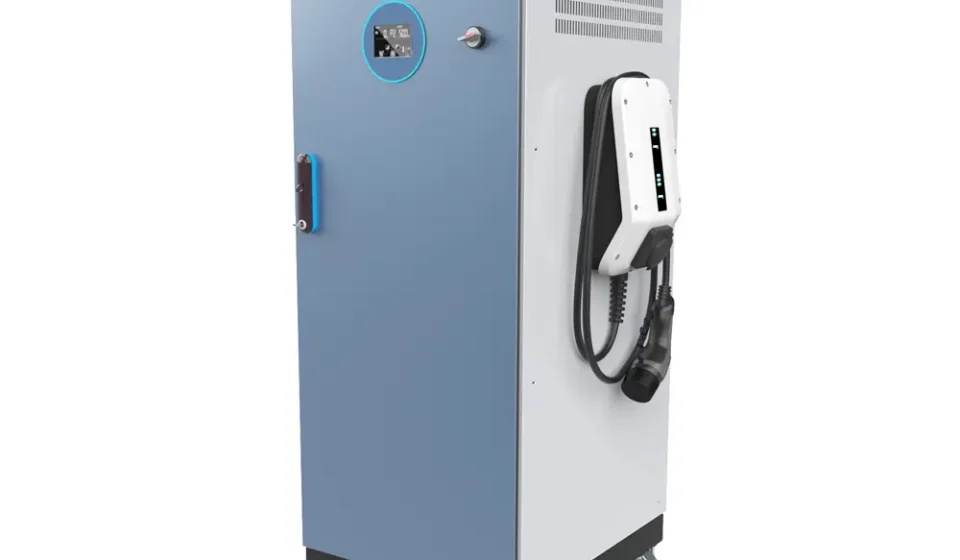

Keeping electricity available during an interruption requires more than having a source of power nearby. The equipment must be able to deliver the correct voltage, supply the required load, and remain operational for the necessary period. In backup applications, energy storage and power conversion are often combined to provide electricity when the normal supply is unavailable.
A Power Holding Generator generally describes a system that holds stored electrical energy and makes it available to connected devices when needed. In many modern applications, this refers to a rechargeable battery-based power unit with an inverter and control electronics. The exact capabilities depend on the battery capacity, output rating, charging arrangement, and whether the system is portable or permanently installed.
Understanding the Difference Between Stored Energy and Generated Power
A conventional fuel generator creates electricity by using an engine to drive an alternator. A battery-based system works differently: it stores energy received from an external source and releases that energy later.
This distinction affects how the equipment should be selected. A fuel generator may continue producing electricity as long as it has fuel and is operated within its limits. A battery system has a finite amount of stored energy and must be recharged after use.
Some backup arrangements combine both technologies. A battery can provide immediate power while a generator or grid connection replenishes the storage system during longer interruptions.
1. Supporting Essential Equipment
A battery-based backup unit can supply selected devices such as lights, communication equipment, computers, networking hardware, and certain household appliances. Larger systems may support more demanding loads, depending on the inverter and battery specifications.
The first step is identifying which devices must remain operational. A short list of essential loads is often more useful than trying to power every appliance in a building.
Record each device’s running wattage and expected operating hours. Also check whether any equipment has a high starting current, as this can affect the inverter rating required.
2. Understanding Battery Capacity
Battery capacity indicates how much energy is stored. It is commonly expressed in watt-hours or kilowatt-hours.
A simple estimate of energy use is:
[
\text{Energy (Wh)} = \text{Power (W)} \times \text{Time (hours)}
]
For example, a 100-watt device operating for four hours uses approximately 400 watt-hours before conversion losses. Several devices operating together will increase the total requirement.
The usable battery energy may be lower than its nominal capacity because of discharge limits and system losses. Users should leave a suitable reserve rather than planning around complete battery depletion.
3. Checking Inverter Output
The inverter converts the battery’s DC electricity into AC power for compatible appliances. Its continuous rating determines the load it can supply under specified conditions.
Some appliances need extra power when starting. Refrigerators, pumps, compressors, and certain tools may draw a temporary surge above their normal running demand.
Check both the continuous and surge ratings. Also verify output voltage, frequency, waveform, and socket types so that the equipment is compatible with the connected loads.
4. Charging and Energy Replenishment
Battery backup units may be charged from mains electricity, compatible solar panels, or another approved source. The available charging methods depend on the product’s input circuitry and permitted electrical range.
For emergency planning, consider how quickly the battery can be recharged and whether electricity is likely to be available during an extended outage. Solar charging may help in suitable conditions, but output varies with sunlight, panel size, orientation, and weather.
A backup plan should account for both the energy stored before an outage and the ability to replenish it afterward.
5. Safety and Installation
Battery systems should be installed or operated according to their environmental and electrical ratings. Keep ventilation openings clear, protect connections from moisture, and avoid physical damage or unauthorized modifications.
For fixed installations, suitable circuit protection, cable sizing, isolation, and transfer arrangements are essential. A battery inverter must not be connected to building wiring through an improvised method. Fixed connections should be designed and installed by qualified electrical professionals.
6. Comparing Battery and Fuel-Based Backup
Battery systems are generally quiet during discharge and produce no engine exhaust at the point of use. They can be convenient for selected loads and environments where noise or exhaust is undesirable.
Fuel generators may be more suitable for sustained high-power requirements when fuel is available and safe outdoor operation is possible. Battery systems may be preferable for short interruptions, portable use, or loads requiring a quieter source.
The choice depends on required runtime, load size, charging access, installation conditions, and operating costs.
Making Backup Power More Practical
A power holding generator can provide useful stored electricity for selected backup applications. Its effectiveness depends on matching battery capacity and inverter output to the equipment that needs support.
Before purchasing, calculate the expected energy demand, review charging options, and check the manufacturer’s operating limits. A carefully selected system can help keep important equipment running when the normal power supply is interrupted.