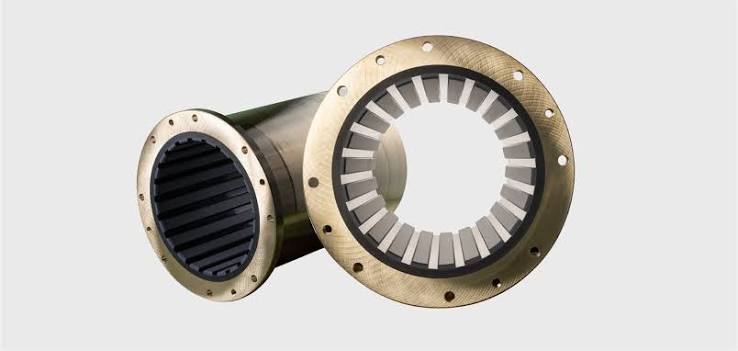

Water lubricated bearings are commonly used in marine propulsion systems, pumps, turbines, and industrial machinery because they use water to reduce friction between moving components. Their simple lubrication arrangement and suitability for wet environments make them a practical choice for many applications. However, like other mechanical components, they can experience performance problems when operating conditions, installation quality, or maintenance practices are inadequate.
Understanding the common issues affecting Water Lubricated Bearings helps equipment operators identify early warning signs and take corrective action. Problems such as abrasive wear, insufficient water flow, misalignment, and material degradation can reduce bearing efficiency and shorten service life if they are not addressed promptly.
1. Excessive Bearing Wear
Excessive wear is one of the most common problems in water lubricated bearing systems. It can develop when abrasive particles enter the water supply, when the bearing operates under excessive loads, or when lubrication conditions are insufficient. Over time, wear may increase the clearance between the shaft and bearing surface.
How to prevent it:
- Monitor bearing clearance during scheduled inspections.
- Use suitable filtration to remove abrasive particles from the water.
- Operate the equipment within its recommended load and speed limits.
- Replace components when wear exceeds acceptable limits.
Early detection helps prevent further damage to the shaft and surrounding equipment.
2. Insufficient Water Flow
A continuous and adequate water supply is essential for many water lubricated bearing designs. If the flow becomes restricted, the lubricating film may not develop properly, increasing friction and heat generation. Blocked pipes, damaged pumps, closed valves, and clogged filters are common causes.
How to prevent it:
- Inspect water supply lines and valves regularly.
- Clean filters and strainers according to the maintenance schedule.
- Monitor flow rates during equipment operation.
- Investigate sudden changes in water pressure or supply.
Maintaining the recommended flow helps support stable lubrication and operating conditions.
3. Abrasive Contamination
Sand, silt, rust, and other suspended particles can enter a bearing through the water supply. These contaminants may become trapped between moving surfaces, causing scratches, grooves, and accelerated material loss. This issue is particularly relevant in applications that use natural water sources.
How to prevent it:
- Install appropriate filtration or screening equipment.
- Inspect intake systems for damage or ineffective sealing.
- Clean water passages to prevent sediment accumulation.
- Monitor water quality where contamination levels may vary.
Effective contamination control is important for protecting both bearing and shaft surfaces.
4. Shaft Misalignment
Misalignment occurs when the shaft and bearing are not positioned correctly relative to each other. It can create uneven contact pressure, localized wear, vibration, and additional mechanical stress. Misalignment may result from installation errors, foundation movement, or changes in equipment positioning.
How to prevent it:
- Check shaft alignment during installation.
- Reinspect alignment after major repairs or equipment movement.
- Use suitable alignment tools and procedures.
- Investigate abnormal vibration or uneven bearing wear.
Correct alignment helps distribute loads more evenly across the bearing surface.
5. Excessive Vibration and Noise
Unusual vibration or noise may indicate problems with the bearing, shaft, or connected machinery. Possible causes include imbalance, misalignment, loose mounting components, excessive clearance, and surface damage. Ignoring these warning signs can allow a minor mechanical issue to develop into a major failure.
How to prevent it:
- Establish normal vibration levels for operating equipment.
- Inspect mounting bolts, supports, and connected components.
- Check shaft balance and alignment when necessary.
- Investigate sudden changes in noise or vibration.
Routine condition monitoring makes it easier to identify developing problems before they cause significant downtime.
6. Overheating During Operation
Although water helps remove heat from many bearing systems, excessive temperature can still occur. Restricted water flow, high mechanical loads, insufficient clearance, or unsuitable operating speeds may increase friction and heat generation.
How to prevent it:
- Maintain the required water supply.
- Monitor bearing temperature under normal operating conditions.
- Avoid exceeding recommended load and speed limits.
- Inspect the bearing if temperature rises unexpectedly.
Temperature monitoring can provide an early indication of lubrication or mechanical problems.
7. Corrosion and Material Degradation
Water exposure can contribute to corrosion when bearing materials are not suitable for the operating environment. Chemical composition, dissolved salts, pH levels, and other environmental conditions can influence material performance. In marine applications, exposure to seawater makes material compatibility especially important.
How to prevent it:
- Select materials appropriate for the water chemistry and application.
- Monitor water conditions where chemical exposure is a concern.
- Inspect bearing surfaces for corrosion or deterioration.
- Follow recommended cleaning and storage procedures.
Choosing compatible materials during the design stage can significantly reduce the risk of premature degradation.
8. Incorrect Bearing Clearance
Bearing clearance affects how the shaft moves within the bearing and influences lubrication performance. Clearance that is too small may increase friction and restrict water movement, while excessive clearance can cause instability, vibration, and uneven loading.
How to prevent it:
- Follow the manufacturer’s clearance specifications.
- Measure clearance during installation and scheduled inspections.
- Consider operating temperature and equipment conditions.
- Replace or repair components when measurements fall outside acceptable limits.
Accurate installation and periodic measurement help maintain suitable operating geometry.
9. Damage During Startup and Shutdown
At low shaft speeds, a fully developed hydrodynamic water film may not be present. Depending on the bearing design and operating conditions, this can result in temporary surface contact. Starting equipment without the required water supply may increase friction and accelerate wear.
How to prevent it:
- Follow the manufacturer’s startup and shutdown sequence.
- Establish water flow before starting when required by the system design.
- Avoid unnecessary frequent starts and stops.
- Inspect bearings used in applications with repeated operating cycles.
Correct operating procedures help reduce stress during transitional conditions.
10. Poor Installation and Maintenance Practices
Improper installation can introduce problems that affect bearing performance throughout its service life. Incorrect positioning, unsuitable tools, damaged surfaces, and failure to follow manufacturer instructions may lead to premature wear or mechanical instability.
How to prevent it:
- Use qualified technicians for installation and replacement.
- Follow technical drawings and installation instructions.
- Avoid damaging precision surfaces during handling.
- Keep maintenance records and follow scheduled inspection intervals.
Consistent maintenance practices help ensure that potential problems are identified and corrected at the right time.
The Importance of Regular Inspection
Preventing bearing problems requires more than responding to visible damage. A structured inspection program allows maintenance teams to track operating conditions and recognize gradual changes in performance.
Important inspection activities include checking water flow, measuring clearance, monitoring vibration and temperature, examining bearing surfaces, and reviewing water quality. Recording these measurements creates a useful history that supports better maintenance decisions.
The inspection schedule should reflect the application, operating environment, equipment criticality, and manufacturer’s recommendations. Machinery exposed to abrasive water or demanding operating cycles may require more frequent checks than equipment working under stable conditions.
Conclusion
Water lubricated bearing problems often develop because of contamination, inadequate water supply, excessive loading, misalignment, incorrect clearance, or unsuitable operating procedures. Recognizing these issues early and applying preventive maintenance can help protect bearing surfaces, reduce equipment downtime, and improve operational reliability.
Selecting appropriate materials, following installation guidelines, and maintaining consistent inspection routines are essential for long-term performance. With suitable technical support from experienced suppliers such as Techemer, operators can make informed decisions about bearing selection, maintenance, and replacement to support dependable machinery operation.