
Warehouses and urban construction sites often require compact equipment that can move materials efficiently without creating unnecessary noise or disrupting surrounding activities. Narrow access routes, occupied buildings, limited working space, and environmental restrictions can make equipment selection particularly important. Electric-powered machinery offers an alternative for businesses seeking practical solutions for these challenging environments.
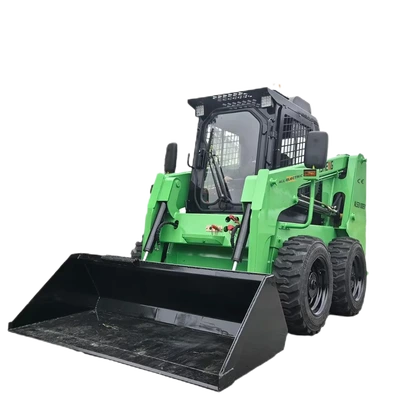
An Electric Skid Steer is a battery-powered compact machine designed to perform material handling, lifting, cleanup, and other tasks with compatible attachments. Its relatively quiet operation and lack of exhaust emissions at the point of use make it suitable for certain indoor facilities and urban projects. Understanding its applications can help warehouse managers and construction contractors determine where this equipment can deliver the greatest value.
Why Electric Skid Steers Are Suitable for Warehouses and Urban Sites
Electric skid steers combine compact dimensions with versatile material-handling capabilities. Their ability to work with different attachments allows operators to complete several tasks using a single machine, provided the equipment meets the requirements of each application.
Unlike diesel-powered alternatives, electric models do not produce engine exhaust during operation and generally operate more quietly. These characteristics can be useful in occupied buildings, commercial districts, and locations where local emissions and noise are concerns.
However, suitability depends on battery runtime, charging access, operating capacity, floor conditions, and the specific demands of the job.
Best Applications for Electric Skid Steers in Warehouses
Warehouses require regular movement of goods, maintenance of storage areas, and management of loading zones. Electric skid steers can support selected activities when their dimensions and lifting capabilities match the facility’s requirements.
1. Moving Materials Around the Facility
Warehouses frequently need to move loose materials, packaging supplies, pallets, and other items between designated work areas. An electric skid steer equipped with a suitable bucket or compatible forks can assist with these activities.
Its maneuverability can be useful in open warehouse zones where larger machinery may be difficult to position. Before using the machine, managers should confirm aisle clearance, load limits, and compatibility with the materials being handled.
2. Indoor Cleanup and Floor Maintenance
Keeping warehouse floors clean helps maintain safe movement and organized operations. Electric skid steers equipped with compatible sweepers or collection buckets can assist with removing suitable debris and transporting waste to designated disposal points.
Their lack of direct exhaust emissions can be advantageous in enclosed facilities. Operators should still follow site cleaning procedures, maintain adequate visibility, and ensure that dust or other airborne contaminants are controlled appropriately.
3. Loading and Unloading Supplies
Some warehouses require equipment to move bulky supplies around loading areas or transfer materials between storage locations. Electric skid steers can support these activities when equipped with appropriate attachments and operated within their rated capacity.
They should not automatically be treated as replacements for forklifts or specialized loading equipment. Buyers must evaluate lifting height, load stability, visibility, and attachment suitability before selecting a machine for these tasks.
4. Handling Packaging and Production Waste
Distribution centers and manufacturing warehouses generate cardboard, packaging materials, scrap, and other waste. A suitable electric skid steer can help collect and move these materials, reducing the need for repeated manual handling.
The machine’s bucket size and operating capacity should match the volume and type of waste. Materials that are hazardous, sharp, or unsuitable for ordinary handling require appropriate containment and specialized procedures.
5. Maintaining Warehouse Loading Areas
Outdoor loading zones and adjoining work areas often accumulate loose debris, soil, and other materials. Electric skid steers can assist with cleanup and material movement where their traction, weather protection, and operating specifications are suitable.
Managers should assess surface conditions and exposure to rain or moisture. The machine’s battery and electrical systems must remain within the environmental limits specified by the manufacturer.
Best Applications for Electric Skid Steers in Urban Construction
Urban construction projects often operate in crowded environments where access is limited and nearby residents or businesses may be affected by noise. Electric skid steers can support a variety of smaller-scale tasks in these settings.
1. Indoor Renovation Projects
Renovation work in commercial buildings, industrial facilities, and large structures often involves transporting construction materials and removing debris. Electric skid steers can assist with these activities without producing diesel exhaust at the point of operation.
Before bringing a machine indoors, contractors should verify doorway dimensions, turning clearance, floor-loading capacity, and the suitability of the operating surface. Battery charging must take place in an appropriate location according to manufacturer guidance.
2. Construction Material Handling
Urban construction sites frequently have limited room for storing and moving building supplies. Electric skid steers can transport suitable loads of sand, gravel, soil, and other materials between designated areas.
Compatible buckets and pallet forks can increase their versatility. Contractors should check the rated operating capacity, attachment weight, lifting geometry, and available working space to maintain safe and efficient operations.
3. Site Cleanup and Debris Removal
Construction activities produce waste that must be collected and moved regularly. Electric skid steers can help clear suitable debris, transport loose materials, and maintain organized work zones.
Their relatively quiet operation may be valuable at projects near occupied buildings. Operators must still follow waste-handling requirements and use appropriate equipment when dealing with hazardous construction materials.
4. Landscaping and Public-Space Improvements
Urban landscaping projects often require soil movement, aggregate distribution, planting-area preparation, and cleanup. Electric skid steers can support these activities in parks, courtyards, commercial developments, and other suitable locations.
Lower operating noise may help reduce disruption in public or residential areas. However, contractors should consider ground pressure, surface protection, pedestrian access, and any restrictions imposed by the site owner.
5. Roadside and Utility-Site Maintenance
Some smaller maintenance projects involve moving aggregate, clearing debris, and transporting supplies around urban infrastructure. An electric skid steer may assist with these tasks if its operating capacity and attachment compatibility meet the project’s needs.
Traffic management, pedestrian separation, and safe access are particularly important in public areas. More demanding excavation or continuous heavy-duty work may require equipment with different performance characteristics.
6. Working in Noise-Sensitive Locations
Construction and maintenance activities near schools, hospitals, offices, and residential buildings may be subject to noise restrictions. Electric skid steers generally produce less operating noise than comparable diesel machines, making them worth considering for suitable tasks in these locations.
Actual noise levels vary by machine, attachment, surface, and workload. Contractors should check local requirements and obtain measured sound-level information when compliance with a specific noise limit is necessary.
Key Advantages in These Working Environments
Electric skid steers offer several potential benefits for warehouse and urban construction operations.
Reduced Local Emissions
Because electric machines do not produce engine exhaust during operation, they can help eliminate direct diesel exhaust emissions in the work area. This is particularly useful in suitable indoor applications where air quality is important.
The overall environmental impact still depends on electricity generation, battery production, and equipment disposal.
Lower Operating Noise
Quieter operation can improve suitability for occupied buildings and projects near noise-sensitive areas. It may also make communication between workers easier, although actual workplace noise levels must still be assessed.
Flexible Attachment Options
Buckets, compatible forks, sweepers, and other approved attachments allow one machine to perform different tasks. This can simplify equipment planning when several jobs require similar material-handling capabilities.
Potential Maintenance Savings
Electric models eliminate certain conventional diesel engine servicing requirements. However, battery maintenance, electrical diagnostics, hydraulic servicing, and inspections of tires or tracks remain necessary.
Compact Maneuverability
Their compact design can help electric skid steers operate in restricted spaces. Nevertheless, the machine must fit through access points and have sufficient clearance to maneuver safely with its selected attachment.
How to Choose the Right Electric Skid Steer for Your Site
Selecting equipment requires more than comparing purchase prices. Warehouse operators and construction contractors should consider the following factors.
Operating capacity: Check the rated load, lifting height, and attachment weight requirements for the intended tasks.
Battery runtime: Estimate daily operating hours and request realistic runtime information for comparable workloads.
Charging infrastructure: Confirm that the facility has a suitable electrical supply and enough time for charging between shifts.
Dimensions and clearance: Measure entrances, aisles, pathways, and work zones before selecting the machine.
Hydraulic performance: Ensure that the machine can support the required attachments and their flow and pressure requirements.
Floor and terrain conditions: Assess floor-loading limits, traction, ground pressure, and surface sensitivity.
Service support: Review battery warranty coverage, spare-parts availability, and access to qualified technicians.
Evaluating these factors helps businesses select a machine that suits their work rather than relying on general performance claims.
Safety Considerations for Indoor and Urban Operations
Safe operation is essential when using compact machinery around workers, pedestrians, stored goods, and existing structures. Operators should be trained, follow the manufacturer’s instructions, and inspect the machine before each shift.
In warehouses, keep travel routes clear and maintain separation from pedestrians. Verify that floors can support the machine and its load, and observe all applicable restrictions on operating equipment near shelving or storage racks.
In urban construction, establish controlled work zones and use suitable traffic and pedestrian management measures. Operators should also check visibility, load stability, attachment security, and any site-specific operating restrictions.
Electric machines require additional attention to battery condition and approved charging procedures. Damaged electrical components or battery faults should be assessed by qualified service personnel.
Electric Skid Steers vs. Traditional Equipment
Electric skid steers can be a useful addition to a mixed equipment fleet, but they are not ideal for every task. Compared with diesel skid steers, they generally offer quieter operation and no direct exhaust emissions, while their working time depends on battery capacity and charging access.
In warehouses, forklifts or pallet trucks may remain more suitable for certain pallet-handling tasks, particularly where high lifting heights are required. On construction sites, larger loaders or excavators may be necessary for heavy excavation and extended high-demand operations.
The best choice depends on the specific job, load requirements, available space, operating schedule, and total ownership costs.
Conclusion
Electric skid steers can support a wide range of warehouse and urban construction activities, including material handling, indoor cleanup, renovation work, landscaping, and selected maintenance tasks. Their compact design, relatively quiet operation, and lack of exhaust emissions at the point of use make them valuable options for suitable work environments.
Before investing in one, businesses should evaluate operating capacity, battery runtime, charging infrastructure, attachment compatibility, and site safety requirements. Matching these factors to actual working conditions helps ensure that an electric skid steer contributes to efficient material handling and dependable day-to-day operations.