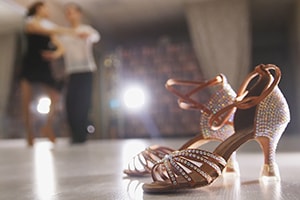

Choosing the right dance footwear is an important decision for anyone who practices Latin dance, whether as a beginner, a competitive performer, or a recreational dancer. The right pair should provide a comfortable fit, reliable support, and enough flexibility to accommodate quick footwork, turns, and changes in direction. When ordering personalized footwear, taking time to evaluate the available options can help prevent fitting issues and ensure that the final design meets your expectations.
Before investing in Custom Latin Dance Shoes, consider how your foot shape, preferred dance style, performance environment, and personal preferences influence your choice. Customization offers opportunities to select specific design features, but understanding the practical details before placing an order is essential. A well-informed decision can help you find shoes that combine comfort, functionality, and a style that suits your needs.
Understand Your Dance Requirements
Start by identifying how and where you plan to use your dance shoes. Footwear designed for regular practice may have different priorities from shoes intended primarily for competitions, performances, or occasional social dancing.
Consider the Latin dance styles you perform most frequently. Cha-cha and samba involve energetic footwork, while rumba emphasizes controlled weight transfers and expressive movements. Salsa often requires quick turns and changes in direction. These differences can influence the flexibility, heel design, and support you need.
Your experience level also matters. Beginners may prefer a stable, manageable heel, while experienced dancers may have specific preferences developed through training. Choosing footwear that matches your current abilities can help you focus on technique rather than adjusting to an unfamiliar design.
Check Measurements and Sizing Requirements
Accurate measurements are among the most important factors when ordering custom footwear. Standard shoe sizes can vary between manufacturers, and a size that fits well in everyday shoes may not provide the same fit in dance shoes.
Measure both feet while standing on a flat surface. Record their length and width, and follow the manufacturer’s instructions for submitting measurements. If one foot is larger than the other, ask whether the design can accommodate this difference.
Evaluate More Than Foot Length
Length alone does not determine a comfortable fit. Pay attention to the width of your forefoot, the shape of your heel, your arch, and the height of your instep.
A properly fitted dance shoe should hold the foot securely without causing painful compression. Excess space may allow the foot to slide during turns, while excessive tightness can create pressure points and restrict movement.
If you have unusually wide feet, narrow heels, or recurring fitting difficulties, confirm which measurements can be customized before placing your order.
Choose an Appropriate Heel Height
Heel height affects posture, balance, and weight distribution. Latin dance shoes are available in different heel profiles, allowing dancers to select an option that suits their technique and comfort preferences.
A lower or moderate heel may be easier to manage for beginners who are still developing balance and ankle strength. More experienced dancers may prefer higher heels depending on their choreography, established technique, and performance goals.
However, heel height should not be selected based on appearance alone. Consider the heel’s stability, placement, and compatibility with your usual movements. If you are switching to a different height, allow time to practice before wearing the shoes during a demanding performance.
Select the Right Sole for Your Dance Floor
The sole determines how your shoes interact with the floor, particularly during pivots, turns, and directional changes. Suede soles are commonly used for indoor Latin dancing because they can provide a balance between traction and controlled rotation.
The ideal sole depends on the surface where you usually dance. A clean wooden dance floor may require different considerations from a multipurpose studio floor. Dust, moisture, and surface wear can also affect traction.
Before ordering, confirm the sole material and its intended use. Dance shoes with delicate suede soles are generally best reserved for suitable indoor surfaces, as outdoor pavement can damage the material and reduce its effectiveness.
Review Material and Construction Options
The materials used in custom dance shoes influence their appearance, flexibility, durability, and maintenance requirements. Selecting the right combination can help ensure that the footwear remains suitable for your routine.
Satin is often chosen for its elegant finish, particularly for competitions and formal performances. Leather offers a different appearance and may provide a structured feel, depending on its construction. Synthetic materials can offer additional choices in color, texture, and finish.
Beyond the upper material, inspect the overall construction. Pay attention to stitching, strap attachments, heel connections, and the finish around the edges. These details can affect how well the shoes withstand repeated use.
Ask about material care instructions before making your decision, especially if you expect to practice several times each week.
Decide Which Customization Features Matter Most
Customization can include adjustments to measurements, heel height, color, materials, straps, and decorative details. However, not every feature will be equally important for every dancer.
Create a list of your priorities before discussing the design with the manufacturer. Separate essential requirements, such as a suitable width or stable heel, from aesthetic preferences, such as metallic accents or contrasting colors.
Consider these questions:
- Can the shoe accommodate your foot shape and specific measurements?
- Are different heel heights and shapes available?
- Can you select materials and colors that suit your dance wardrobe?
- Will the straps provide adequate security during movement?
- Are decorative elements positioned where they will not cause friction?
- Can the requested design be produced within your budget and timeframe?
Clear answers can help you understand what is possible and avoid misunderstandings about the finished product.
Establish Your Budget Before Ordering
Custom footwear costs can vary depending on the materials, construction methods, level of personalization, and complexity of the design. Additional features may increase the overall price, so it is useful to establish a realistic budget before selecting options.
Ask for a clear breakdown of the total cost, including shipping, taxes, and any applicable customization charges. If the shoes are being ordered internationally, confirm the delivery arrangements and whether additional import fees may apply.
The lowest-priced option is not necessarily the best value. Consider how the shoes fit, how frequently you will use them, and whether the materials and construction suit your needs.
A thoughtful comparison of available options can help you balance cost with comfort, durability, and performance.
Confirm Production and Delivery Times
Custom footwear may require additional production time because the shoes are made or adjusted according to individual specifications. Delivery schedules can also depend on material availability, order volume, and shipping arrangements.
If you need the shoes for a competition, performance, or special event, place your order well in advance. Ask for an estimated completion date and clarify how delays will be communicated.
Allow extra time to try the shoes on and become comfortable moving in them before an important event. Wearing an unfamiliar pair for the first time during a performance can make it harder to identify fitting or movement issues.
Understand the Return, Exchange, and Adjustment Policy
Custom orders may be subject to different return conditions from standard footwear. Some personalized items cannot be returned simply because the buyer changes their mind, although policies vary by seller and location.
Before paying, review the terms covering incorrect sizing, manufacturing defects, alterations, exchanges, and cancellations. Ask how the manufacturer handles a pair that does not match the confirmed specifications.
Keep copies of your measurements, order confirmation, design selections, and any written communication. These records can be useful if questions arise about the finished product.
Understanding the policy in advance helps you make a more informed purchasing decision.
Questions to Ask Before Finalizing Your Order
Before submitting your order, make sure you understand the essential details. A short conversation with the manufacturer can clarify important points that may not be obvious from product descriptions.
Use this checklist to guide your discussion:
- What measurements are required for an accurate fit?
- Which heel heights, sole materials, and upper materials are available?
- Can the design accommodate specific foot-shape requirements?
- What is the expected production and delivery timeframe?
- What is included in the quoted price?
- What happens if the shoes arrive with a fitting issue or manufacturing defect?
- How should the footwear be cleaned and maintained?
Taking time to confirm these details can reduce uncertainty and help ensure that your expectations are realistic.
Prepare for the First Fitting
When your shoes arrive, inspect them carefully before using them for a full practice session. Check the stitching, straps, heel attachments, sole condition, and overall finish.
Try the shoes on and test basic movements on an appropriate dance floor. Walk carefully, shift your weight between your feet, and perform simple turns to assess security and comfort.
Some dance shoes may feel more fitted than everyday footwear, but they should not cause sharp pain, numbness, or persistent pressure. Do not assume that painful shoes simply need to be broken in. Contact the manufacturer if the fit differs significantly from what you requested.
Once the fit has been confirmed, introduce the shoes gradually into your regular training routine.
Final Thoughts
Ordering custom Latin dance footwear requires careful consideration of fit, heel height, sole material, construction, customization options, and delivery arrangements. Evaluating these details before purchasing can help you avoid common mistakes and select shoes that suit your dancing needs.
The most effective approach is to prioritize comfort and functionality before finalizing aesthetic details. With accurate measurements, clear communication, and a thorough understanding of the ordering process, you can make a more confident decision and choose footwear designed to support your movement on the dance floor.