
Long-term packaging equipment performance depends heavily on consistent maintenance. In industrial environments, regular production, material handling, and repeated machine cycles can gradually contribute to component wear and performance changes.
A structured maintenance program for Water Soluble Film Equipment can help manufacturers identify potential problems early and maintain stable packaging performance. Maintenance should cover the film-handling system, filling equipment, sealing components, controls, and supporting mechanical systems.
Establish a Preventive Maintenance Program
Preventive maintenance is more effective when tasks are planned rather than performed only after a failure occurs. Manufacturers should establish inspection and servicing intervals based on machine usage and the equipment manufacturer’s recommendations.
A maintenance plan can divide activities into daily, weekly, monthly, and longer-term tasks. Production volume and operating conditions should be considered when determining the appropriate frequency.
Perform Daily Cleaning
Daily cleaning helps prevent product residue and film particles from accumulating on important machine components. Particular attention should be given to filling areas, forming surfaces, sealing components, and film-contact parts.
Cleaning methods should be appropriate for the machine and the materials being processed. Operators should avoid practices that could introduce excessive moisture or damage sensitive components.
Inspect the Film Feeding System
Film feeding components should be checked regularly for contamination, wear, and alignment. Rollers and guides need to maintain smooth movement so that film can travel through the machine consistently.
Unstable film tension or tracking can contribute to wrinkles, positioning errors, and inconsistent pouch dimensions. Early inspection can help prevent these issues from becoming recurring production problems.
Maintain Film Storage Conditions
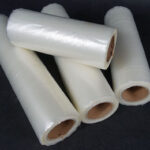
Water-soluble film should be stored under the conditions recommended by the material supplier. Improper exposure to moisture, temperature changes, or contamination can affect film handling characteristics.
Film rolls should be protected from physical damage and unnecessary environmental exposure. Proper storage is an important part of maintaining packaging consistency before the material even reaches the machine.
Check Forming Components
Forming components should be inspected for residue, wear, deformation, and alignment. Any changes to forming surfaces can affect pouch dimensions and appearance.
Regular inspection also provides an opportunity to identify mechanical problems before they interfere with production. Worn components should be serviced or replaced according to the manufacturer’s recommendations.
Service Filling Components
Filling systems should be checked for blockages, leaks, product buildup, and inconsistent dispensing. Different formulations may require different cleaning procedures and service intervals.
Dosing components should also be monitored for wear. Changes in filling behavior may indicate a need for cleaning, calibration, adjustment, or component replacement.
Monitor Sealing Components
Sealing equipment requires regular attention because seal quality directly affects package integrity. Operators should inspect sealing surfaces for product residue, film buildup, wear, or mechanical damage.
Temperature, pressure, and dwell time should remain within established operating parameters. If seal quality changes, maintenance personnel should investigate the sealing system rather than making uncontrolled parameter adjustments.
Inspect Cutting Mechanisms
Cutting and separation components can gradually wear during continuous production. Dull or damaged cutting parts may create uneven edges or incomplete separation.
Routine inspection should include blades, cutting surfaces, alignment, and related mechanisms. Replacement intervals can be based on machine usage and observed wear.
Check Temperature-Control Components
Heating elements and temperature sensors should be inspected periodically. Stable temperature control can be important for maintaining consistent sealing performance.
If temperature readings fluctuate unexpectedly or the machine struggles to maintain the required setting, the heating system should be evaluated. Electrical and temperature-control repairs should be performed by qualified personnel when appropriate.
Inspect Sensors
Sensors help monitor film position, pouch formation, filling, and other machine functions. Dust, residue, or incorrect positioning can interfere with sensor operation.
Operators should keep sensor surfaces clean and verify that sensors remain correctly positioned. Repeated sensor alarms should be investigated rather than continually reset.
Maintain Pneumatic Systems
Pneumatic components may operate actuators and other machine mechanisms. Air leaks, damaged hoses, unstable pressure, or worn fittings can affect machine performance.
Regular inspections should cover hoses, connections, valves, and actuators. Maintaining the recommended air supply can help support consistent operation.
Inspect Mechanical Components
Bearings, shafts, gears, chains, belts, and other moving components can experience gradual wear. Unusual vibration, noise, or movement may indicate a developing mechanical issue.
Routine inspections can identify loose fasteners, alignment problems, and worn components before they result in more significant downtime.
Lubricate Where Required
Some mechanical components require periodic lubrication to reduce friction and wear. Lubrication should only be performed at the locations and intervals specified by the machine manufacturer.
Using the correct lubricant and quantity is important. Excessive or inappropriate lubrication can cause contamination or interfere with component operation.
Review Electrical Connections
Electrical systems should be inspected for signs of loose connections, damaged cables, overheating, or other abnormalities. Control cabinets should also be kept clean and maintained according to appropriate procedures.
Electrical servicing should be carried out by qualified technicians. Operators should not open or modify electrical components unless they are specifically authorized and trained to do so.
Monitor Machine Performance
Maintenance should include more than physical inspections. Production data can help identify gradual changes in machine performance.
Useful indicators may include:
- Increasing downtime
- Changes in pouch dimensions
- Filling variations
- Increased sealing defects
- Unusual machine noise
- Repeated alarms
- Longer changeover times
Tracking these indicators can help maintenance teams identify developing problems earlier.
Keep Maintenance Records
Detailed maintenance records provide useful information for future servicing. Records can include inspection dates, cleaning activities, component replacements, machine faults, and corrective actions.
Over time, these records can reveal recurring problems and help determine whether inspection intervals need to be adjusted.
Maintain a Spare-Parts Inventory
Frequently replaced wear components should be identified and stocked according to production requirements. Having suitable spare parts available can reduce delays when maintenance is required.
Manufacturers should also confirm the availability and lead times of critical components. Replacement parts should be compatible with the specific machine configuration.
Train Operators in Routine Care
Operators are often the first people to notice changes in machine behavior. Proper training can help them identify unusual sounds, film movement problems, filling inconsistencies, and alarm conditions.
Training should cover routine cleaning, basic inspections, safe shutdown procedures, and escalation of technical problems. More complex repairs should be assigned to qualified maintenance personnel.
Schedule Professional Inspections
Periodic professional inspections can complement routine operator maintenance. Qualified technicians can assess mechanical, electrical, pneumatic, and control-system components in greater detail.
The frequency of professional servicing should depend on machine design, operating hours, production conditions, and manufacturer recommendations.
POLYVA supplies water-soluble film packaging equipment for industrial applications, with maintenance requirements that vary according to the specific machine configuration and production process.
Improve Maintenance Through Documentation
Standardized maintenance procedures can make servicing more consistent between shifts and operators. Checklists can specify which components need inspection, what conditions should be recorded, and when corrective action is required.
Documenting maintenance activities also helps establish accountability and provides a reference when troubleshooting future problems.
Conclusion
Long-term equipment performance requires consistent preventive maintenance rather than occasional repairs. Cleaning, film-system inspections, filling-system servicing, sealing checks, sensor maintenance, mechanical inspections, and proper lubrication all contribute to reliable operation.
Manufacturers can further support equipment longevity by maintaining suitable film storage conditions, training operators, keeping spare parts available, and documenting maintenance activities. Following the machine manufacturer’s service recommendations provides an important foundation for safe and dependable long-term use.