
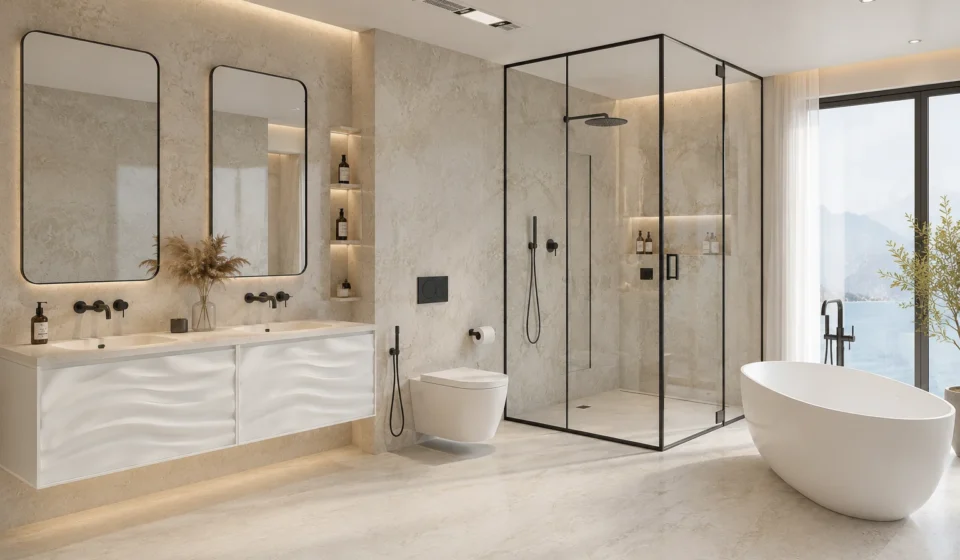

Wash basins are available in a wide range of designs, materials, and installation configurations, making them suitable for everything from compact residential bathrooms to large hospitality and commercial projects. Choosing the right basin requires consideration of the space, intended use, design requirements, and installation method.
When evaluating China Wash Basin Manufacturers, international buyers should consider the supplier’s product range, material expertise, manufacturing standards, and ability to meet project-specific requirements. Understanding the main basin types and their applications can make the sourcing process more efficient.
Common Types of Wash Basins
Different basin designs serve different installation and aesthetic requirements. Manufacturers in China commonly produce several configurations for residential and commercial applications.
Countertop Wash Basins
Countertop basins are installed on top of a vanity or countertop and can become a prominent feature of a bathroom design. They are available in various shapes, sizes, colors, and finishes.
These basins are commonly used in residential bathrooms, hotels, restaurants, and other spaces where design is an important consideration.
Undermount Wash Basins
Undermount basins are installed beneath a countertop, creating a relatively seamless transition between the basin and surrounding surface.
This configuration can simplify countertop cleaning and provide a clean, understated appearance. Accurate dimensions are particularly important because the basin must fit precisely beneath the countertop.
Wall-Mounted Wash Basins
Wall-mounted basins are attached directly to a wall rather than resting on a vanity or cabinet. They can be useful in smaller bathrooms where maximizing floor space is a priority.
Commercial and public facilities may also use wall-mounted configurations because of their practical installation and maintenance characteristics.
Vessel Wash Basins
Vessel basins sit above the countertop and are often selected for their distinctive visual appearance. They can be found in residential bathrooms, boutique hotels, restaurants, and other design-focused spaces.
When sourcing vessel basins, buyers should check basin height and faucet compatibility to ensure the complete installation is practical.
Integrated Basins and Countertops
Integrated basin systems combine the wash basin and countertop into a unified surface. This design can reduce visible joints and create a consistent appearance.
Such products are often considered for hospitality, commercial, healthcare, and residential projects where coordinated bathroom fixtures are required.
Freestanding Wash Basins
Freestanding designs combine the basin with a supporting structure. They can create a distinctive appearance and may be useful where a conventional vanity arrangement is not desired.
The stability, installation method, drainage requirements, and dimensions should be confirmed before ordering.
Materials Used for Wash Basins
The material used for a wash basin influences its appearance, weight, durability, maintenance requirements, and production possibilities.
Ceramic
Ceramic is a widely used material for bathroom basins. Its smooth surface and familiar appearance make it suitable for many residential and commercial applications.
When evaluating ceramic products, buyers should examine glaze consistency, surface quality, dimensional accuracy, and resistance to staining and common cleaning products.
Solid Surface
Solid-surface materials offer flexibility for modern and customized basin designs. Manufacturers can use these materials to create integrated countertops, seamless-looking configurations, and specialized shapes.
Solid-surface basins may be particularly suitable for hospitality and commercial interiors where design consistency is important.
Acrylic
Acrylic can be used to produce lightweight basins in various shapes and colors. It is often selected when design flexibility and relatively easy handling are important considerations.
Buyers should assess surface quality, material thickness, finishing, and resistance to the conditions expected in the intended application.
Stainless Steel
Stainless steel basins are valued for their durability and resistance to corrosion. They are commonly considered for commercial, industrial, healthcare, and utility environments.
The appropriate steel grade, thickness, surface finish, and fabrication quality should be confirmed according to the intended use.
Glass
Glass wash basins can provide a distinctive decorative appearance and are often used in design-oriented residential or hospitality settings.
Because glass products can be more vulnerable to impact than some alternative materials, buyers should pay close attention to material specifications, manufacturing quality, and protective packaging.
Wash Basin Applications
The appropriate basin type and material depend heavily on where the product will be installed.
Residential Bathrooms
Home bathrooms typically prioritize appearance, ease of cleaning, durability, and compatibility with available vanity or countertop space.
Buyers may select countertop, undermount, vessel, or wall-mounted configurations depending on the bathroom layout and design.
Hotels and Hospitality Projects
Hotels often require products that combine visual appeal with reliable performance and consistent quality across multiple rooms.
For large hospitality projects, customization can help coordinate basin dimensions, colors, countertops, and other bathroom elements with the overall interior design.
Commercial Buildings
Offices, retail spaces, restaurants, and other commercial buildings generally require durable products that can withstand frequent use.
Ease of maintenance, replacement availability, installation requirements, and long-term reliability can be important purchasing considerations.
Healthcare and Public Facilities
Healthcare and public environments may have additional requirements related to hygiene, cleaning, accessibility, durability, and regulatory compliance.
Buyers should identify applicable local standards before selecting a product and confirm that the manufacturer can provide the required technical documentation.
How to Choose the Right Wash Basin
Before requesting quotations, define the main requirements for the project. Consider the available installation space, basin dimensions, material, expected usage, design, plumbing configuration, and maintenance needs.
For international sourcing, it is also useful to establish:
- Required order quantity
- Target delivery schedule
- Destination market requirements
- Packaging specifications
- Customization needs
- Required certifications or test reports
- Budget and total landed cost
Having these details prepared helps manufacturers provide more accurate quotations and recommendations.
Evaluating Manufacturers
A manufacturer’s ability to supply a particular basin type does not necessarily mean it is the right supplier for your project. Evaluate production capabilities, quality-control procedures, material expertise, customization experience, and export capacity.
Request samples and technical drawings where appropriate. For larger projects, buyers may also consider factory audits or independent inspections before shipment.
Final Considerations
China’s wash basin manufacturing industry covers a broad range of products, materials, and applications. From ceramic countertop basins to customized solid-surface systems, buyers can select solutions suited to different bathroom environments and design objectives.
The best sourcing decision depends on more than product appearance or unit price. By comparing materials, installation types, manufacturing standards, quality controls, customization options, and project requirements, international buyers can select wash basin suppliers with greater confidence.