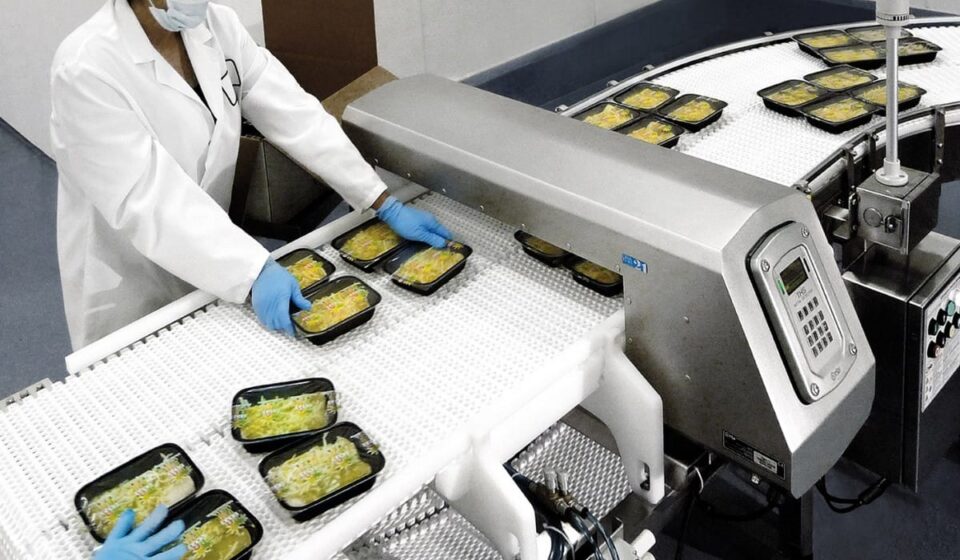

Choosing the right metal detector is an important decision for food manufacturers that want to maintain product safety, improve quality control, and reduce contamination risks. Since every production line has different requirements, selecting equipment based only on price or basic features may lead to performance issues.
The ideal inspection system should match your product type, production speed, processing environment, and safety standards. When reviewing Food Processing Metal Detectors for Sale, businesses should carefully evaluate several factors to ensure they invest in equipment that delivers reliable results.
Understand Your Product Type
The first step in selecting a metal detector is understanding the characteristics of the products being inspected. Different food products can affect detection performance due to variations in moisture, texture, size, and packaging.
Consider whether your products are:
- Solid items
- Powder products
- Liquid or semi-liquid materials
- Frozen foods
- Packaged goods
Each product category may require a different type of metal detection system.
Choose the Appropriate Metal Detector Type
Food production lines use different metal detector designs depending on their applications. Selecting the right type ensures better inspection accuracy and easier integration.
Conveyor Metal Detectors
Conveyor metal detectors are suitable for solid products moving through production lines. They are commonly installed before packaging or at final inspection points.
They are ideal for:
- Bakery products
- Meat products
- Snacks
- Frozen foods
- Packaged products
These systems support continuous inspection in high-speed manufacturing environments.
Pipeline Metal Detectors
Pipeline metal detectors are designed for liquid and paste-like products that flow through processing pipes.
They are commonly used for:
- Sauces
- Dairy products
- Juices
- Liquid ingredients
These systems allow manufacturers to inspect products while maintaining hygienic processing conditions.
Gravity-Fed Metal Detectors
Gravity-fed systems are designed for free-flowing dry materials that move vertically through production equipment.
Typical applications include:
- Flour
- Sugar
- Rice
- Spices
- Powdered ingredients
Evaluate Detection Sensitivity
Detection sensitivity is one of the most important factors when choosing a metal detector. The system should be sensitive enough to identify contaminants while avoiding excessive false rejects.
The required sensitivity depends on:
- Product size
- Production speed
- Contaminant risk
- Industry requirements
- Packaging type
Advanced detection technology helps maintain accuracy even in challenging production conditions.
Consider Production Speed and Capacity
A metal detector must be able to handle the speed and volume of your production line. Equipment that cannot keep up with production rates may create delays or reduce inspection effectiveness.
Before purchasing, evaluate:
- Conveyor speed
- Product flow rate
- Daily production volume
- Inspection frequency
Choosing equipment that matches your production capacity helps maintain smooth operations.
Check Compatibility with Packaging Materials
Packaging materials can influence metal detection performance. Some products may use packaging that creates additional challenges during inspection.
Consider whether your products are packaged with:
- Plastic film
- Aluminum layers
- Metalized packaging
- Cardboard containers
Selecting a system designed for your packaging type helps improve detection accuracy.
Evaluate Hygiene and Equipment Design
Food processing environments require equipment that supports strict sanitation requirements. A well-designed metal detector should be durable, easy to clean, and resistant to harsh operating conditions.
Important design features include:
- Stainless steel construction
- Smooth surfaces
- Water-resistant components
- Easy maintenance access
Good hygienic design helps manufacturers maintain food safety standards.
Review Reject Mechanisms
A metal detector should effectively remove contaminated products without disrupting production. Different applications require different rejection methods.
Common options include:
- Air blast rejection
- Push arm systems
- Drop flap mechanisms
- Conveyor stopping systems
The correct reject system depends on product size, weight, and production speed.
Consider Software and Data Features
Modern metal detectors often include digital monitoring and reporting functions. These features help businesses track performance and support quality management programs.
Useful functions include:
- Inspection records
- Automatic settings
- Performance monitoring
- Fault alerts
- Data storage
These capabilities improve traceability and simplify quality audits.
Look at Maintenance and Support
Reliable technical support is essential for keeping inspection equipment operating effectively. Before making a purchase, consider the manufacturer’s service capabilities.
Important support services include:
- Installation assistance
- Operator training
- Spare parts availability
- Maintenance guidance
- Technical troubleshooting
Strong support reduces downtime and improves equipment lifespan.
Conclusion
Selecting the right metal detector for your production line requires careful consideration of product characteristics, equipment type, detection sensitivity, production requirements, hygiene standards, and long-term support. The best system is one that fits your specific operation while providing accurate contamination detection and reliable performance. By evaluating these factors carefully, food manufacturers can improve safety, efficiency, and overall production quality.