
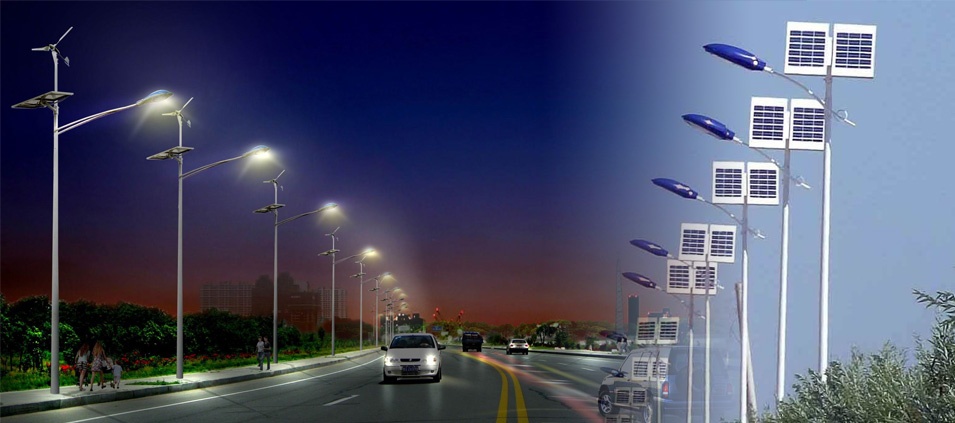

Solar street lighting has advanced significantly in recent years. Modern systems are no longer limited to a solar panel, battery, and LED lamp. They increasingly incorporate intelligent controllers, advanced battery management, efficient photovoltaic technology, and remote monitoring features to improve performance and reliability.
For municipalities, infrastructure developers, distributors, and contractors, understanding these technologies is essential when evaluating products for outdoor lighting projects. Choosing a Top Solar Street Light Brand means looking beyond appearance and advertised wattage to examine the technologies that determine energy efficiency, lighting quality, durability, and long-term operating costs.
This article explores the key technologies buyers should expect from modern solar street lighting manufacturers and explains how each one contributes to better outdoor lighting performance.
1. High-Efficiency Solar Panel Technology
Solar panels are the primary energy source in a solar street lighting system. Their ability to convert sunlight into electricity directly affects battery charging and nighttime operation.
Modern solar street lights commonly use monocrystalline photovoltaic cells because of their relatively high conversion efficiency and effective use of installation space.
Important features to evaluate include:
- Conversion efficiency: Higher efficiency allows a panel to generate more electricity from a given surface area under comparable conditions.
- Power output: Panel wattage should match the energy requirements of the lighting system.
- Temperature performance: Panel output can change as operating temperatures increase.
- Weather resistance: Outdoor panels should withstand rain, dust, sunlight exposure, and expected environmental conditions.
- Long-term stability: Quality materials and manufacturing processes help maintain performance over time.
Buyers should also consider panel orientation, installation angle, shading, and local sunlight conditions. Even an efficient panel may deliver insufficient energy if the system is poorly positioned or incorrectly sized.
2. Advanced Lithium Battery Technology
Battery technology is one of the most important factors affecting the reliability of solar street lights.
The battery stores electricity during daylight hours and supplies power to the LED fixture at night. Its capacity, efficiency, temperature tolerance, and cycle life influence how consistently the system operates.
Many modern solar street lights use lithium iron phosphate (LiFePO4) batteries because they offer several useful characteristics:
- Good cycle-life potential.
- Stable thermal properties.
- High usable energy capacity.
- Relatively low maintenance requirements.
- Suitability for repeated charging and discharging.
However, battery quality varies between products. Buyers should request documented information about rated capacity, usable capacity, cycle-life testing conditions, operating temperature limits, and warranty coverage.
Battery placement also matters. Some systems integrate the battery into the lighting fixture, while others use a separate enclosure. The design should provide suitable protection and thermal management for the installation environment.
3. Intelligent Battery Management Systems
A battery management system (BMS) helps protect the battery and regulate its operation.
In lithium battery applications, a BMS can monitor important operating conditions and help prevent damaging events.
Depending on its design, the system may provide:
- Overcharge protection.
- Over-discharge protection.
- Overcurrent protection.
- Short-circuit protection.
- Temperature monitoring.
- Cell balancing.
These functions help maintain safe operating conditions and can contribute to longer battery service life.
For project buyers, it is important to distinguish between a basic charge controller and a battery management system. They perform related but different functions, and a complete solar lighting solution may require both.
4. High-Efficiency LED Lighting Technology
LED technology enables solar street lights to produce useful illumination while consuming comparatively little electrical power.
Modern LED fixtures can provide high luminous efficacy, allowing a greater amount of light to be produced from each watt of electricity consumed.
When comparing LED street lights, buyers should examine:
Luminous Efficacy
This measures how efficiently a fixture converts electrical power into visible light, typically expressed in lumens per watt.
Color Temperature
Color temperature affects the appearance of the light. Different applications may require warm white, neutral white, or cool white illumination.
Color Rendering Index
CRI indicates how accurately colors appear under a light source compared with a reference source.
Thermal Management
LED performance and service life can be affected by excessive heat. A well-designed heat sink and suitable thermal construction help manage operating temperatures.
Optical Design
The lens and reflector system control how light is distributed across the road or surrounding area.
A reliable manufacturer should provide meaningful photometric specifications rather than relying only on advertised wattage.
5. Smart Solar Charge Controllers
The solar charge controller regulates the electricity flowing from the solar panel to the battery and helps manage energy distribution.
Two common controller technologies are PWM and MPPT.
PWM (Pulse Width Modulation): PWM controllers regulate charging by controlling the electrical connection between the panel and battery. They are generally simpler and may be suitable for certain smaller or cost-sensitive systems.
MPPT (Maximum Power Point Tracking): MPPT controllers adjust their operating conditions to extract more available power from the solar panel under changing sunlight and temperature conditions.
MPPT technology can improve energy harvesting in appropriately designed systems, although the actual benefit depends on panel configuration, battery voltage, weather, and system design.
For projects with demanding energy requirements or variable environmental conditions, buyers should ask whether MPPT control is available and whether its performance is supported by technical documentation.
6. Automatic Dusk-to-Dawn Operation
Automatic lighting control is a basic but essential technology in modern solar street lights.
A dusk-to-dawn system detects changes in ambient light or uses programmed operating schedules to switch the fixture on after sunset and off around sunrise.
This reduces the need for manual operation and helps ensure that lighting is available when required.
Depending on the product, automatic control may also include:
- Adjustable operating schedules.
- Pre-programmed brightness levels.
- Battery-dependent dimming.
- Seasonal operating adjustments.
- Manual control options.
For public infrastructure projects, dependable automatic operation can simplify maintenance and improve consistency across large lighting installations.
7. Motion Sensor and Adaptive Dimming Technology
Motion detection allows a solar street light to adjust brightness according to activity in the surrounding area.
For example, a fixture may operate at a lower brightness level when a road is quiet and increase illumination when pedestrians or vehicles approach.
This approach can help reduce energy consumption and preserve battery capacity.
Common technologies include passive infrared (PIR) sensors and microwave motion sensors. Their detection characteristics differ, so the appropriate option depends on the application and installation environment.
When evaluating motion-controlled lighting, consider:
- Detection range.
- Detection angle.
- Response time.
- Sensitivity adjustments.
- False-trigger performance.
- Compatibility with the lighting controller.
Adaptive dimming should always be configured to maintain suitable visibility and comply with applicable road and public-space lighting requirements.
8. Remote Monitoring and IoT Connectivity
Internet of Things (IoT) technology is becoming increasingly relevant to smart city lighting projects.
Connected solar street lights may communicate operating information to a centralized management platform, allowing authorized users to monitor system performance without visiting every installation location.
Depending on the equipment, communication may use technologies such as cellular networks, LoRaWAN, or other wireless protocols.
Potential monitoring functions include:
- Battery charge status.
- Lighting operating status.
- Energy consumption information.
- Fault notifications.
- Remote brightness adjustments.
- Operating schedule configuration.
- Maintenance alerts.
For municipalities managing hundreds or thousands of fixtures, remote monitoring can help identify faults and organize maintenance more efficiently.
However, not every solar street light includes IoT connectivity. Buyers should verify the communication hardware, network requirements, software platform, data access, and ongoing service costs before purchasing.
9. Advanced Thermal Management
Solar street lights operate outdoors and must withstand changing environmental temperatures.
Heat can affect batteries, electronic controllers, and LED components. Poor thermal design may contribute to reduced efficiency, accelerated component aging, or unreliable operation.
Modern lighting systems may use several thermal management approaches:
- Aluminum housings for heat dissipation.
- Optimized heat sink structures.
- Temperature monitoring.
- Battery protection mechanisms.
- Appropriate separation of heat-sensitive components.
In hot climates, buyers should pay particular attention to the manufacturer’s stated operating temperature ranges and battery installation design.
A product intended for outdoor use should be tested or specified for the environmental conditions expected at the project location.
10. Weatherproofing and Corrosion-Resistant Construction
Solar street lights are exposed to rain, dust, humidity, wind, and temperature changes throughout their operating lives.
Protection technologies help safeguard electrical and mechanical components against these environmental conditions.
Important features include:
IP protection: The Ingress Protection rating indicates the level of protection against solid particles and water. Buyers should check the rating for the complete fixture and relevant external components.
IK impact protection: Where applicable, the IK rating indicates resistance to mechanical impact.
Corrosion-resistant materials: Aluminum alloys, protective coatings, and suitable fasteners can help reduce corrosion in outdoor environments.
Sealed connections: Proper cable glands, connectors, and enclosure seals help limit water and dust entry.
For coastal, industrial, or highly humid locations, contractors should also evaluate salt exposure and the corrosion resistance of poles, brackets, and mounting hardware.
11. Smart Lighting Management Platforms
Some advanced solar street lighting systems include centralized software for managing multiple fixtures.
These platforms can help operators review system status, configure lighting schedules, and identify maintenance requirements.
A management platform may support:
- Individual fixture control.
- Group-based lighting schedules.
- Energy and battery monitoring.
- Fault reporting.
- Maintenance records.
- System performance reports.
For large infrastructure projects, centralized management can make it easier to coordinate maintenance and review the condition of lighting assets.
Before selecting a platform, buyers should confirm its compatibility with the lighting hardware, communication network, and existing smart city systems.
They should also consider cybersecurity, user permissions, software updates, data ownership, and long-term platform availability.
12. Modular Design and Replaceable Components
Modular construction is another valuable feature in modern solar street lighting.
Instead of replacing an entire fixture when one component fails, a modular system may allow technicians to replace the battery, controller, LED module, or other serviceable parts separately.
This can offer several advantages:
- Easier maintenance.
- Reduced replacement expenses.
- Less electronic waste.
- Greater flexibility for future upgrades.
- Improved access to individual components.
Importers and project contractors should ask manufacturers which parts are replaceable and whether replacement components will remain available.
A modular design is especially useful for large installations where long-term maintenance costs can significantly affect project budgets.
13. How to Evaluate These Technologies Before Purchasing
Knowing which technologies exist is only the first step. Buyers must also determine whether a manufacturer’s products implement them effectively.
Before placing an order, review the following information:
| Technology | What to Verify |
|---|---|
| Solar panels | Cell type, rated power, efficiency, and warranty |
| Batteries | Chemistry, capacity, cycle life, and BMS protection |
| LED modules | Luminous efficacy, light output, optics, and thermal design |
| Charge controllers | PWM or MPPT technology and protection functions |
| Motion sensors | Detection range, sensitivity, and control settings |
| IoT connectivity | Communication protocol, software, and monitoring features |
| Weather protection | IP rating, materials, and corrosion resistance |
| Modular design | Replaceable parts and spare component availability |
It is also advisable to request product samples, technical datasheets, test reports, and warranty documentation.
For major road lighting projects, ask the manufacturer or lighting designer to provide photometric calculations based on the actual road dimensions, pole spacing, and required illumination levels.
Conclusion
Modern solar street lights combine several technologies to improve energy generation, battery management, lighting performance, and operational control. High-efficiency solar panels, advanced batteries, intelligent controllers, LED optics, motion sensors, and IoT monitoring can all contribute to a more capable lighting system.
However, advanced features are valuable only when they are properly designed, compatible, and suitable for the intended application. Importers, contractors, and municipal buyers should evaluate complete system performance rather than choosing products based on individual technology claims.
By checking technical specifications, testing documentation, environmental protection, and long-term component support, buyers can select solar street lighting solutions that meet project requirements and provide dependable outdoor illumination.