

Industrial equipment must operate reliably to maintain productivity, control operating costs, and meet production targets. However, machinery often works under demanding conditions involving pressure, friction, vibration, temperature changes, and exposure to contaminants. Even small mechanical problems can affect overall performance, particularly when they involve fluid leakage or pressure loss.
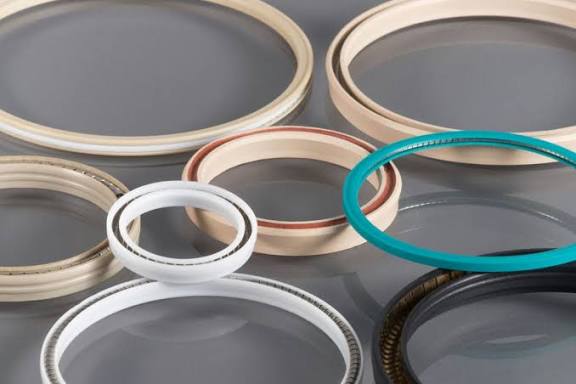
Sealing components play an important role in preventing these issues and protecting essential machine parts. DMS Seals are relevant to the broader range of industrial sealing solutions used to support equipment reliability and operational efficiency. When appropriately selected and installed, sealing components help maintain system pressure, reduce contamination, minimize wear, and improve the consistency of industrial operations.
Understanding the Role of Seals in Industrial Equipment
Seals are mechanical components designed to prevent liquids, gases, lubricants, and contaminants from passing through gaps between connected surfaces. They are used in both stationary and moving equipment assemblies.
In industrial machinery, seals perform several essential functions. They retain hydraulic fluids, prevent compressed air from escaping, protect internal components from dust, and maintain the operating conditions required for mechanical systems.
Different machines require different sealing designs depending on their construction and working environment. Hydraulic cylinders, pneumatic actuators, rotating shafts, pumps, and gearboxes all depend on suitable sealing arrangements.
Without effective sealing, equipment may experience pressure fluctuations, increased friction, contamination, and premature component failure.
1. Reducing Fluid and Air Leakage
One of the most important ways sealing components improve equipment performance is by preventing unwanted leakage.
Hydraulic machinery depends on pressurized fluids to generate force and movement. When hydraulic oil escapes through damaged or unsuitable seals, the system may lose pressure and become less effective.
Similarly, pneumatic systems rely on compressed air to operate cylinders, valves, and automated equipment. Air leakage forces compressors to supply additional air, increasing energy consumption.
Proper sealing helps:
- Maintain hydraulic fluid within the intended system.
- Prevent compressed air from escaping.
- Reduce unnecessary fluid replacement.
- Support consistent machine operation.
- Minimize losses caused by inefficient pressure control.
Reducing leakage is particularly important in industrial environments where machinery operates continuously.
2. Maintaining Consistent Operating Pressure
Pressure is essential for the performance of hydraulic and pneumatic equipment. Even minor leakage can affect the pressure required for specific mechanical operations.
For example, hydraulic cylinders require sufficient fluid pressure to perform lifting, pushing, and pulling tasks. If sealing components fail, the cylinder may lose force or operate inconsistently.
Pneumatic actuators can also experience reduced movement speed and performance when compressed air escapes.
Sealing solutions help maintain the pressure difference required for these systems to function correctly. This supports predictable equipment movement and reduces performance variations during operation.
3. Protecting Internal Components From Contamination
Industrial machinery frequently operates in environments where dust, dirt, moisture, and other particles are present. These contaminants can enter equipment through unprotected openings and damage sensitive mechanical surfaces.
Seals create protective barriers that reduce the entry of unwanted substances.
For example, wiper seals are commonly installed in hydraulic cylinders to remove dirt from moving piston rods. Rotary shaft seals help prevent dust and moisture from entering gearboxes and motor housings.
Effective contamination control can provide several benefits:
- Reduced wear on internal components.
- Better lubrication quality.
- Lower risk of corrosion.
- Improved reliability of moving assemblies.
- Fewer contamination-related maintenance problems.
This protection is particularly valuable in construction, mining, agriculture, and manufacturing applications.
4. Minimizing Friction and Mechanical Wear
Moving machine components experience friction during operation. Over time, excessive friction can damage surfaces, increase operating temperatures, and shorten component service life.
Suitable sealing materials and designs help maintain appropriate contact between moving and stationary components.
Dynamic seals used in hydraulic cylinders, pneumatic actuators, and rotating equipment must balance sealing effectiveness with friction control.
For example, PTFE-based sealing solutions are often selected for applications where low friction is important. Polyurethane seals are commonly used where abrasion resistance and mechanical strength are required.
Selecting the appropriate material helps reduce unnecessary wear and supports smoother equipment operation.
5. Improving Energy Efficiency
Energy consumption is a major concern for industrial facilities. Machinery that operates inefficiently can increase electricity usage and overall production expenses.
Sealing components contribute to energy efficiency by reducing losses within mechanical systems.
In pneumatic equipment, air leakage can cause compressors to run longer or more frequently to maintain the required pressure. Effective sealing reduces unnecessary compressed-air losses.
In hydraulic systems, preventing fluid leakage helps maintain operating pressure and reduces the need for additional fluid.
Although seals alone cannot determine the energy efficiency of an entire machine, suitable sealing solutions support more efficient operation when combined with proper system design and maintenance.
6. Extending Equipment Service Life
Industrial machinery represents a significant investment, making equipment durability an important business priority.
Sealing components help protect this investment by preventing leakage, contamination, and excessive friction.
When internal components remain properly lubricated and protected, they are less likely to experience premature deterioration.
For example, an effective shaft seal helps retain lubricant inside a gearbox while preventing external contaminants from entering. Similarly, hydraulic cylinder seals protect the system from fluid loss and help maintain consistent mechanical movement.
Regular inspection and timely replacement of worn seals can further improve equipment longevity.
7. Reducing Maintenance Costs and Unexpected Downtime
Unplanned machinery breakdowns can interrupt production schedules and create additional expenses. Leakage, pressure loss, and contamination are common problems that may require immediate maintenance attention.
Reliable sealing components help reduce the frequency of these issues.
Businesses can benefit through:
- Fewer emergency repairs.
- Reduced fluid replacement expenses.
- Lower risk of secondary component damage.
- More predictable maintenance schedules.
- Reduced production interruptions.
However, sealing components should still be inspected regularly. Even durable materials experience wear under continuous operating conditions.
Preventive maintenance helps identify problems before they cause significant equipment failures.
8. Supporting Consistent Manufacturing Quality
Production machinery must maintain stable operating conditions to achieve consistent manufacturing results.
Pressure fluctuations, mechanical vibration, and irregular equipment movement can affect production accuracy and product quality.
Sealing components contribute to stable operation by helping hydraulic and pneumatic systems maintain their intended working conditions.
In automated manufacturing facilities, this reliability is especially important because multiple machines often work together in coordinated production processes.
A failure in one system may interrupt the entire production line. Proper sealing helps reduce one potential source of mechanical disruption.
Common Types of Seals That Improve Equipment Performance
Different sealing products contribute to machinery efficiency in different ways. Understanding their functions helps engineers select suitable components.
Hydraulic Seals
Hydraulic seals prevent fluid leakage in pressurized systems. They are commonly installed in cylinders, pumps, valves, and heavy machinery.
Piston seals and rod seals are important examples because they help maintain pressure during repeated mechanical movement.
Pneumatic Seals
Pneumatic seals prevent compressed air from escaping through cylinders, actuators, and other equipment connections.
They support consistent air pressure and help reduce energy losses in automated systems.
Rotary Shaft Seals
Rotary shaft seals retain lubricants around rotating components while preventing dust and moisture from entering equipment.
They are commonly used in gearboxes, electric motors, industrial pumps, and transmissions.
O-Rings
O-rings create sealing barriers between connected surfaces. Their simple design makes them suitable for many static connections and certain dynamic applications.
They are widely used in valves, fittings, pumps, and hydraulic assemblies.
Wiper Seals
Wiper seals remove external contaminants from moving surfaces, particularly piston rods in hydraulic cylinders.
By reducing dirt and particle entry, they help protect internal sealing components and improve equipment reliability.
Mechanical Seals
Mechanical seals control fluid leakage between rotating and stationary components.
They are particularly important in pumps and other equipment that handles liquids during continuous operation.
Factors That Influence Sealing Performance
Selecting an appropriate sealing component requires careful consideration of the machine’s operating conditions.
Material Selection
Different materials offer different levels of resistance to temperature, chemicals, friction, and pressure.
Common options include nitrile rubber, polyurethane, fluorocarbon, silicone, and PTFE.
The selected material should be compatible with the fluids and environmental conditions involved in the application.
Pressure Requirements
Every sealing product has specific pressure limitations. Operating beyond these limits can cause deformation, extrusion, or leakage.
Engineers should evaluate both normal and maximum system pressure before choosing a seal.
Temperature Conditions
High temperatures can accelerate material deterioration, while low temperatures may reduce flexibility.
Selecting a material suitable for the complete operating temperature range helps maintain consistent sealing performance.
Dimensional Accuracy
Correct dimensions are essential for proper installation and effective sealing.
The internal diameter, external diameter, thickness, and groove specifications should match the equipment requirements.
Operating Movement
Static, rotary, and reciprocating applications require different sealing arrangements.
Understanding the movement type helps ensure that the selected component can withstand the expected friction and mechanical forces.
Best Practices for Maintaining Seal Performance
Even properly selected seals require appropriate installation and maintenance to deliver reliable results.
Industrial maintenance teams should follow several important practices:
- Inspect seals regularly: Look for cracks, deformation, swelling, hardening, and visible leakage.
- Maintain clean surfaces: Remove dirt and contaminants before installing replacement components.
- Use compatible lubricants: Follow equipment recommendations to minimize friction in dynamic applications.
- Avoid incorrect installation: Use suitable tools and follow the manufacturer’s fitting instructions.
- Monitor operating conditions: Check pressure, temperature, and equipment performance for unusual changes.
- Replace worn components: Do not continue using seals that have lost their effectiveness.
- Maintain inspection records: Document replacement dates and recurring problems to improve maintenance planning.
These practices help prevent premature sealing failure and support more reliable machinery operation.
The Long-Term Business Benefits of Reliable Sealing Solutions
The benefits of effective sealing extend beyond individual machine components. They can influence the overall performance of an industrial facility.
When machinery operates with fewer leaks and less contamination, businesses can reduce maintenance interruptions and improve production consistency.
Lower fluid losses and reduced compressed-air leakage can also contribute to better resource management.
Furthermore, protecting expensive mechanical assemblies can reduce the need for major repairs and premature equipment replacement.
For businesses operating multiple machines, these improvements can create meaningful savings over time. The actual results depend on equipment design, operating conditions, sealing quality, and maintenance practices.
Conclusion
DMS seals and other industrial sealing solutions contribute significantly to equipment performance and operational efficiency. By preventing leakage, maintaining pressure, controlling contamination, and reducing mechanical wear, suitable seals help industrial machinery operate more reliably.
Their benefits extend to energy efficiency, equipment longevity, maintenance planning, and manufacturing consistency. However, achieving these advantages requires selecting the correct sealing design and material for each application.
By combining proper product selection with accurate installation and regular inspection, industrial facilities can minimize equipment problems, reduce unnecessary operating expenses, and maintain more efficient production processes.