
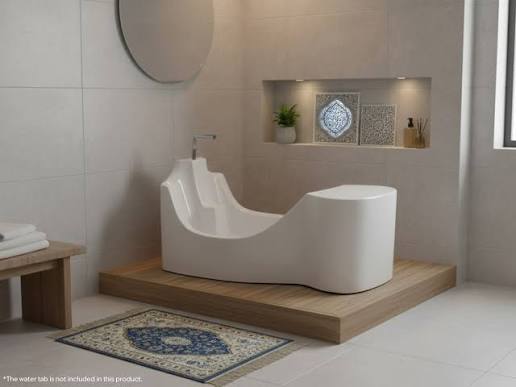

Choosing the right material for a wudu basin is essential for creating a comfortable, hygienic, and durable ablution area. While ceramic has long been a popular choice for bathroom fixtures, solid surface materials have become an attractive alternative for modern homes, hotels, and mosque facilities. Both materials offer distinct advantages, but their durability, maintenance requirements, appearance, and installation costs can differ considerably.
The best option depends on how frequently the basin will be used, the available budget, and the desired bathroom design. Understanding the differences between ceramic and solid surface basins can help homeowners, architects, and facility managers make an informed decision that balances practicality with long-term value.
Understanding Ceramic Wudu Basins
Ceramic is one of the most widely used materials for bathroom basins. It is generally manufactured by shaping a ceramic body and applying a glaze that creates a smooth, water-resistant surface.
Ceramic basins are available in various sizes, shapes, and finishes, making them suitable for traditional and contemporary ablution areas.
Advantages of Ceramic Basins
One of the main advantages of ceramic is its straightforward maintenance. A properly glazed ceramic surface is generally easy to clean and resists ordinary staining during everyday use.
Other benefits include:
- Easy cleaning: Smooth glazed surfaces make it easier to remove dirt, soap residue, and water spots.
- Familiar appearance: Ceramic suits a wide range of bathroom styles and interior designs.
- Wide availability: Buyers can often find ceramic basins in different shapes, sizes, and price ranges.
- Good everyday performance: Quality ceramic fixtures can withstand regular bathroom use when installed and maintained correctly.
These characteristics make ceramic a practical choice for residential bathrooms and many shared ablution facilities.
Limitations of Ceramic
Although ceramic is durable under normal conditions, it can chip or crack if struck by a heavy object. Significant damage may require professional repair or replacement.
Ceramic basins also tend to offer less flexibility for seamless, customized designs than some solid surface products. Their weight and mounting requirements should be considered before installation.
For buyers who prioritize a familiar appearance, simple cleaning, and a relatively straightforward purchasing process, ceramic remains a strong option.
Understanding Solid Surface Wudu Basins
Solid surface is an engineered material made from a combination of mineral fillers, resins, and other components. The exact composition varies by manufacturer and product type.
It can be molded or fabricated into different shapes, making it suitable for contemporary bathroom fixtures and specialized ablution stations. Some designs incorporate an integrated basin and countertop to create a smooth, continuous appearance.
Advantages of Solid Surface Basins
Solid surface materials offer considerable design flexibility. Manufacturers can create customized shapes, curved edges, integrated drainage areas, and coordinated washing stations, depending on the product’s capabilities.
Key advantages include:
- Seamless appearance: Certain designs minimize visible joints between the basin and surrounding surfaces.
- Customization: The material can support a variety of shapes, dimensions, and contemporary finishes.
- Repairability: Some solid surface products allow minor scratches to be sanded or refinished according to manufacturer instructions.
- Design consistency: Integrated fixtures can help create a coordinated appearance in modern bathrooms and communal ablution areas.
For projects that require a specific layout or distinctive appearance, solid surface may offer more design options than standard ceramic basins.
Limitations of Solid Surface
Solid surface products vary in their resistance to scratching, heat, staining, and chemical exposure. Their performance depends on the material formulation, manufacturing quality, and surface finish.
Some products may require specialized cleaning or professional refinishing if damaged. Purchase prices can also be higher than those of conventional ceramic fixtures, particularly for customized designs.
Before buying, review the manufacturer’s technical specifications, cleaning guidance, warranty terms, and repair options.
Ceramic vs. Solid Surface: Key Differences
When comparing the two materials, consider how each performs in everyday use rather than focusing on appearance alone.
| Feature | Ceramic | Solid Surface |
|---|---|---|
| Appearance | Classic, clean, and versatile | Modern, seamless, and customizable |
| Cleaning | Generally straightforward | Generally straightforward with approved products |
| Scratch resistance | Glazed surface resists ordinary wear but can be damaged | Varies by formulation; some minor scratches are repairable |
| Impact resistance | Can chip or crack under impact | Depends on composition, thickness, and design |
| Design flexibility | Available in standard shapes and sizes | Often offers greater customization |
| Repair options | Chips and cracks may be difficult to repair invisibly | Some products can be sanded or refinished |
| Installation | Requires suitable support and mounting | Depends on weight, fabrication, and mounting design |
| Cost | Often available at budget-friendly prices | May cost more, especially for custom designs |
| Best suited for | Practical residential and shared-use applications | Contemporary and customized installations |
Neither material is automatically superior in every category. Product quality, installation, and maintenance can significantly influence the performance of both options.
Which Material Is More Durable?
Durability depends on the type of damage a basin is likely to encounter.
Ceramic performs well under normal use and offers a hard glazed surface that resists routine wear. However, sharp impacts can cause chips or cracks that are difficult to conceal.
Solid surface materials may offer better repair options for minor surface scratches, depending on their composition. However, some products can be more susceptible to scratching, heat damage, or harsh chemicals than others.
For a home bathroom, either material can provide long-term service when selected carefully. In a busy mosque or communal ablution facility, evaluate the expected number of users, cleaning frequency, and likelihood of accidental impacts.
Rather than relying solely on the material category, ask suppliers for product-specific performance information and warranty coverage.
Which Material Is Easier to Maintain?
Both ceramic and solid surface basins can be relatively easy to maintain, but their care requirements differ.
Maintaining Ceramic Basins
Clean glazed ceramic regularly with a suitable bathroom cleaner and a soft cloth or sponge. Avoid harsh abrasive tools that could damage the glaze.
Inspect the basin periodically for chips or cracks, especially around edges and mounting points. Address damaged areas promptly to prevent further deterioration.
Maintaining Solid Surface Basins
Use cleaning products recommended by the manufacturer. Avoid aggressive chemicals, excessive heat, and abrasive cleaning methods unless they are specifically approved for the material.
If scratches develop, check whether the product can be refinished and whether professional repair is recommended.
For both materials, regular cleaning around faucets and drains helps prevent mineral deposits and buildup. The surrounding floor should also be kept clean and free of standing water to support a hygienic ablution area.
Which Material Is Better for Mosque Wudu Facilities?
Mosques often experience high demand before and after prayer times. A suitable basin should withstand frequent use, support efficient cleaning, and fit the layout of the ablution room.
Ceramic can be a practical option where standardized fixtures, straightforward maintenance, and cost control are priorities. Quality products can serve shared facilities effectively when properly installed and maintained.
Solid surface may be more suitable when a project requires integrated basins, customized dimensions, or a coordinated modern design. Depending on the system, integrated surfaces can reduce visible joints and simplify certain cleaning tasks.
When selecting a material for a mosque, consider:
- The expected number of users and peak usage periods.
- Resistance to the cleaning products used by facility staff.
- Availability of replacement parts and repair services.
- Installation and plumbing requirements.
- Total purchase, maintenance, and replacement costs.
The basin material is only one part of the design. Adequate drainage, safe flooring, accessible washing stations, and sufficient space between users are equally important.
Which Material Is Best for Small Bathrooms?
For smaller bathrooms, the overall shape and dimensions of the basin may matter more than the material itself.
Ceramic is often a practical choice because compact models are widely available in different styles. A wall-mounted ceramic basin can preserve floor space and make cleaning beneath the fixture easier.
Solid surface may be preferable when a customized shape or integrated countertop is needed to make efficient use of a narrow space. Its design flexibility can be useful for projects with unusual dimensions.
Before choosing either option, measure the available installation area and confirm the basin’s usable depth and width. Ensure that faucet placement allows comfortable washing without excessive splashing.
How to Choose the Right Wudu Basin for Your Needs
Before making a final decision, compare the following factors:
- Budget: Consider the purchase price, installation expenses, and expected maintenance costs.
- Usage frequency: Choose a product suitable for the number of people who will use it.
- Design requirements: Decide whether a standard basin or a customized fixture better suits your bathroom.
- Cleaning routine: Check which cleaning products and maintenance methods the material requires.
- Installation conditions: Confirm the mounting system, weight, and plumbing compatibility.
- Warranty and support: Review the manufacturer’s warranty, repair options, and replacement-part availability.
If possible, examine material samples or completed installations before purchasing. This can help you evaluate the finish, appearance, and quality more accurately.
Conclusion
Ceramic and solid surface wudu basins can both provide reliable solutions for residential bathrooms and dedicated ablution facilities. Ceramic is often a practical choice for buyers who value straightforward maintenance, broad availability, and conventional designs. Solid surface is worth considering when customization, integrated features, and a seamless contemporary appearance are priorities.
The best material ultimately depends on the intended use, budget, installation conditions, and maintenance expectations. By comparing product specifications and considering the needs of the people who will use the basin, you can select a durable and functional solution that supports comfortable daily ablution.