
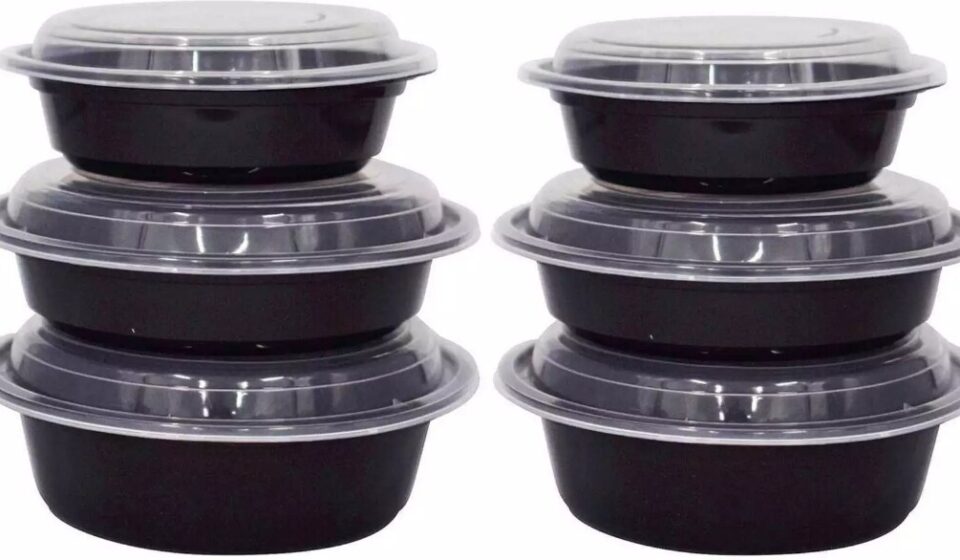

Food packaging needs can vary considerably depending on what is being stored or served. Hot meals, chilled products, and prepared dishes each place different demands on containers, making it important to consider temperature, food characteristics, handling, and storage conditions before choosing packaging.
A PP Food Container can be suitable for a wide range of food packaging applications when its specifications match the intended use. LRpacking provides PP container options that businesses can evaluate according to food type, portion size, temperature requirements, and handling conditions.
PP Containers for Hot Foods
Hot foods can place additional demands on packaging because of elevated temperatures and steam. Restaurants and takeaway businesses commonly need containers that can maintain their shape while holding freshly prepared meals.
When selecting packaging for hot food, consider the container’s stated temperature range, construction, lid compatibility, and resistance to deformation. These factors can help support safe and convenient transportation from the kitchen to the customer.
Meals and Takeaway Dishes
Rice dishes, pasta, cooked vegetables, curries, and similar meals may require containers with enough capacity and structural strength for both food and sauce.
A secure lid is particularly useful when hot meals are transported, as it can help reduce the likelihood of spills during routine handling.
PP Containers for Cold Foods
Cold and refrigerated foods have different packaging requirements. Salads, chilled desserts, fruit, prepared ingredients, and other refrigerated products may remain in containers for extended periods before consumption.
For these applications, businesses should consider container dimensions, sealing performance, visibility, stacking ability, and compatibility with refrigerated storage.
Refrigerated Storage
Efficient stacking can be especially useful in commercial refrigerators. Containers that fit neatly together can help businesses organize inventory and make better use of available storage space.
The container should also provide sufficient room for the food without excessive empty space that could make storage or transportation less efficient.
PP Containers for Prepared Foods
Prepared foods can include everything from meal-preparation portions to ready-to-serve dishes. These products may move through several stages, including preparation, filling, refrigeration, transportation, and final consumption.
For this reason, packaging should be selected according to the complete handling process rather than just the initial food temperature.
Portion Control
Different customers and food services require different serving sizes. Smaller containers may be appropriate for side dishes and snacks, while larger formats can accommodate complete meals.
Using appropriately sized containers can help businesses maintain consistent portions and simplify their packaging workflow.
Comparing Key Features
When comparing containers for different food applications, several characteristics deserve attention:
- Temperature suitability: Check whether the container is designed for the intended hot or cold application.
- Lid security: A reliable lid can help protect food during storage and transportation.
- Container strength: Construction should match the weight and handling requirements of the food.
- Capacity: Choose sizes that correspond with typical serving portions.
- Stackability: Efficient stacking can simplify storage and transportation.
- Food compatibility: Consider the moisture, density, and characteristics of the products being packaged.
Consider Transportation Requirements
Food containers may perform differently depending on how far and how often they are transported. Delivery services, catering operations, and takeaway restaurants may need packaging that can withstand movement without losing its shape or lid fit.
For prepared meals, transportation testing can be useful. Filling sample containers with representative foods and handling them under realistic conditions can help identify potential packaging issues before larger quantities are purchased.
Think About Storage and Handling
Storage conditions should also influence the selection process. Containers used in refrigerators, food preparation areas, delivery bags, or display environments may face different physical demands.
Businesses should consider whether containers need to be stacked, nested, labeled, stored for extended periods, or handled frequently by staff and customers.
Why Application-Specific Selection Matters
There is no universal container that is ideal for every food product. A container designed for a chilled dessert may not provide the same practical advantages for a hot takeaway meal.
Matching packaging to the food application can help improve efficiency and reduce avoidable issues. Reviewing product dimensions, material specifications, temperature guidance, and closure design can make comparisons more meaningful.
Final Considerations
Comparing PP containers for hot, cold, and prepared foods requires attention to more than size and appearance. Temperature suitability, durability, lid performance, capacity, storage efficiency, and transportation conditions all contribute to how well packaging performs.
By identifying the specific requirements of each food application, restaurants, caterers, retailers, and food-preparation businesses can select containers that better support their everyday packaging processes.