
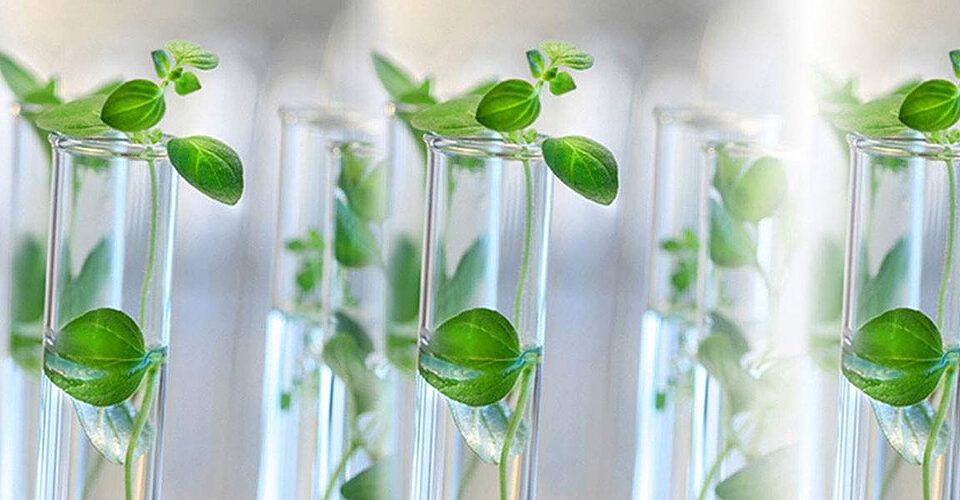

Commercial cultivation requires planting material that can be produced consistently, handled efficiently, and adapted to the intended growing environment. Tissue culture is widely used as a structured propagation method because it allows plants to be multiplied under controlled conditions before they are transferred to nursery or greenhouse production.
When evaluating China Tissue Culture Plants, commercial buyers should understand how plants are prepared before shipment. The process generally involves several stages, from selecting suitable plant material and establishing cultures to multiplication, rooting, inspection, and preparation for acclimatization.
Selection of Plant Material
The process begins with the selection of suitable source material. Plant material is chosen according to factors such as cultivar identity, growth characteristics, and the intended production purpose.
Careful source selection provides the foundation for maintaining consistent plant characteristics throughout subsequent propagation stages.
Culture Establishment
Selected plant material is introduced into a controlled tissue culture environment. Under suitable laboratory conditions, the material is established on a carefully prepared culture medium.
The medium provides nutrients and other components required for plant development. Environmental factors such as temperature, light, and humidity are also managed to support controlled growth.
Multiplication of Plantlets
Once cultures are successfully established, the plants can enter the multiplication stage. Small pieces of plant tissue or developing shoots are used to produce additional plantlets.
Repeated multiplication allows commercial quantities of plants to be generated from a relatively small amount of starting material. The number of multiplication cycles depends on the crop and production objectives.
Root Development
Depending on the crop and production system, developing shoots may subsequently be transferred to conditions that encourage root formation.
Root development is an important stage because plants need an adequate root system before they can successfully transition from laboratory conditions into a nursery environment.
Monitoring Plant Development
Throughout production, plantlets can be monitored for development and general condition. Consistent observation helps identify material that does not meet the required production specifications.
Factors that may be monitored include:
- Shoot development
- Root formation
- Plantlet size
- Growth uniformity
- Culture condition
- General plant appearance
The specific inspection criteria can vary according to species and commercial requirements.
Maintaining Controlled Conditions
Tissue culture production relies on controlled environmental conditions. Light intensity, temperature, humidity, and culture conditions can all influence plant development.
Maintaining stable conditions helps create a more predictable production process. Laboratory procedures should also be carefully managed to reduce the risk of contamination affecting cultures.
Preparing Plants for Acclimatization
Plants grown in controlled laboratory conditions are not immediately exposed to typical outdoor or greenhouse environments. They generally require a gradual transition.
Before shipment or transfer, plantlets may be prepared according to their development stage and intended acclimatization process. Buyers should understand whether the supplied material is newly rooted, established, or already prepared for a particular stage of nursery production.
Packaging for Commercial Transport
Packaging is another important part of preparation. Plantlets need to be protected against excessive movement, temperature fluctuations, moisture problems, and physical damage during transportation.
The packaging method should be appropriate for the plant type, quantity, shipment duration, and destination.
Batch Identification and Records
Commercial cultivation often involves large numbers of plants, making accurate records valuable. Batch identification can help buyers connect delivered plants with specific production information.
Records may include cultivar details, production batches, quantities, dates, and other relevant specifications. Clear documentation can also support inventory management after delivery.
Preparing for Different Growing Environments
Plants intended for commercial cultivation may eventually be grown in different climates, greenhouses, nurseries, or field conditions. The receiving environment should therefore be considered when planning acclimatization.
A supplier such as Young Plants can provide useful product and handling information that helps buyers determine whether the plant material matches their cultivation system.
Quality Considerations Before Shipment
Before plants leave the production facility, commercial buyers benefit from clear information about the plant stage, quantity, packaging, and relevant quality specifications.
Understanding these details allows buyers to prepare their facilities in advance and identify any requirements that need to be addressed before transportation.
From Laboratory to Commercial Nursery
The transition from tissue culture laboratory to commercial nursery is a sequence rather than a single step. Successful production depends on maintaining appropriate conditions throughout propagation, rooting, handling, transportation, and acclimatization.
Commercial growers should plan each stage in advance so that plants can move smoothly from controlled laboratory conditions into their final growing environment.
Final Thoughts
China tissue culture plants are prepared for commercial cultivation through a series of controlled stages that can include source selection, culture establishment, multiplication, rooting, monitoring, packaging, and documentation. Each stage contributes to preparing plant material for its eventual transition into nursery or greenhouse production.
For commercial buyers, understanding these preparation steps makes it easier to assess plant specifications, plan receiving procedures, and establish suitable growing conditions. Clear communication about plant stage and handling requirements can further support a smooth transition from production facility to commercial cultivation.