
Global sourcing can give industrial buyers access to a wider range of hydraulic motors, manufacturing capabilities, and price points. However, purchasing from an overseas supplier also requires careful evaluation of technical specifications, quality systems, logistics, documentation, and long-term support.
Choosing the right hydraulic motor manufacturer requires more than comparing catalog prices. Buyers need to determine whether a supplier can consistently meet application requirements while providing predictable lead times, appropriate documentation, and reliable communication.
Why Consider Global Sourcing?
Global sourcing allows companies to compare manufacturers across different industrial markets. It can be useful when domestic suppliers have limited product ranges or when specialized motor configurations are required.
International sourcing may also provide access to different manufacturing technologies and production capacities. The potential benefits need to be balanced against shipping, customs, quality verification, and communication considerations.
Define Technical Requirements First
Before contacting overseas suppliers, buyers should establish clear technical requirements. This prevents suppliers from quoting motors that appear similar but have different operating characteristics.
Important specifications may include:
- Required torque
- Operating speed
- Hydraulic flow
- Continuous and peak pressure
- Motor displacement
- Mounting configuration
- Shaft dimensions
- Port specifications
- Hydraulic fluid compatibility
- Operating temperature
- Duty cycle
A detailed specification makes supplier comparisons more meaningful.
Understand the Different Motor Types
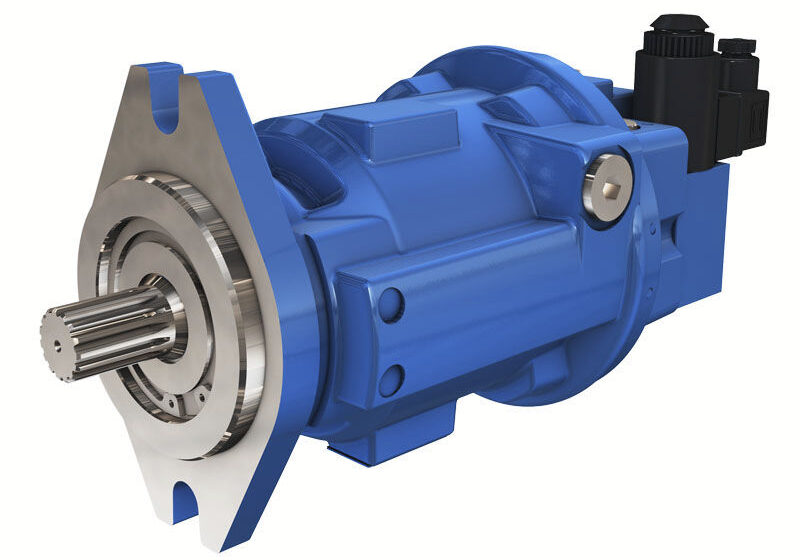
Hydraulic motors are available in several basic designs, including gear, vane, and piston motors. Each type has different characteristics related to pressure capability, efficiency, speed, torque, size, and cost.
The motor type should be selected according to the equipment’s operating requirements rather than based solely on purchase price.
For demanding high-pressure applications, for example, a piston motor may be considered, while gear motors can be appropriate for many simpler applications.
Evaluate the Manufacturer’s Production Capabilities
A supplier’s manufacturing capability is an important part of global sourcing due diligence.
Buyers can investigate whether the manufacturer has appropriate machining, assembly, inspection, and testing facilities. Production capacity is also important if the buyer expects recurring or high-volume orders.
A supplier that can handle an initial small order may not necessarily have the capacity to support a larger long-term program.
Review Quality-Control Procedures
Quality should be evaluated throughout the manufacturing process, not only through final inspection.
Ask how the supplier controls:
- Incoming materials
- Component dimensions
- Machining processes
- Assembly procedures
- Internal clearances
- Sealing
- Pressure resistance
- Leakage
- Performance testing
- Final inspection
Understanding these procedures can provide a better indication of manufacturing consistency.
Verify Certifications Carefully
International suppliers may provide certificates for quality-management systems, materials, products, or other requirements.
Buyers should verify the certification body’s identity, certificate validity, scope, and covered facility. A company-level quality certification should not automatically be interpreted as proof that every product has been independently certified.
The applicable certification requirements should also be determined according to the destination market and intended application.
Request Technical Documentation
Complete documentation can make international purchasing easier and reduce misunderstandings.
Depending on the product, useful documents may include:
- Product datasheets
- Performance curves
- Dimensional drawings
- Installation instructions
- Operating limits
- Maintenance information
- Test reports
- Material documentation
- Certification records
Technical documents should be reviewed before an order is finalized.
Request Samples When Appropriate
For new supplier relationships, sample orders can provide an opportunity to evaluate product quality before committing to larger quantities.
A sample can be assessed for dimensions, mounting compatibility, materials, finish, performance, and overall construction.
Where practical, testing the sample under actual or simulated operating conditions can provide additional information about suitability.
Compare Suppliers on More Than Price
A low quotation does not necessarily represent the lowest total cost.
Global sourcing costs can include:
- Product price
- Tooling or customization charges
- Packaging
- Freight
- Insurance
- Customs duties
- Taxes
- Inspection
- Local transportation
- Inventory carrying costs
Comparing the complete landed cost provides a more realistic basis for supplier selection.
Consider Lead Times
International orders can involve longer and less flexible delivery schedules than local purchases.
Lead time may include production, inspection, packaging, export processing, shipping, customs clearance, and domestic transportation.
Buyers should ask for realistic production and shipping estimates rather than relying on a general statement that products are “in stock” or “ready to ship.”
Understand Shipping Terms
International purchases commonly use defined commercial terms that establish responsibilities for transportation, insurance, customs procedures, and delivery.
Buyers should understand exactly which costs and responsibilities are included in a supplier’s quotation.
If necessary, procurement teams should work with experienced logistics professionals to ensure the selected shipping arrangement is appropriate.
Check Packaging Standards
Hydraulic motors contain machined surfaces and precision components that can be affected by impact, moisture, or contamination during transportation.
Ask suppliers how motors are protected during international shipping. Packaging may need to address corrosion prevention, shock protection, moisture exposure, and secure positioning.
Proper packaging is particularly important for long-distance sea or air freight.
Consider Communication and Language
Clear communication is essential when purchasing technically specified equipment from another country.
Specifications, drawings, tolerances, packaging requirements, inspection procedures, and delivery expectations should be documented clearly.
Written confirmation of important technical details can help reduce misunderstandings during production.
Evaluate Production Consistency
Global sourcing is often intended to create a long-term supply relationship rather than a one-time purchase.
For recurring orders, buyers should determine whether the manufacturer can maintain consistent materials, dimensions, performance, and quality standards across production batches.
Documented specifications and controlled manufacturing processes can help support this consistency.
Consider Intellectual Property and Custom Designs
Custom hydraulic motors may involve proprietary dimensions, equipment interfaces, or engineering designs.
When sharing drawings or technical information internationally, companies should establish appropriate agreements governing confidentiality and intellectual property.
This is particularly important when the motor is designed specifically for proprietary machinery.
Plan for Quality Inspection
Buyers may choose to conduct inspections before shipment, particularly for large or technically critical orders.
Inspection can cover product quantity, dimensions, markings, packaging, appearance, and other agreed requirements.
For higher-risk purchases, third-party inspection may provide an additional level of verification before goods leave the manufacturing country.
Assess Spare Parts and Service Support
A global supplier should be evaluated for its ability to support the motor after delivery.
Ask whether replacement seals, bearings, shafts, gears, or other service components are available. Also determine how technical questions and warranty claims are handled across international borders.
Reliable after-sales support can significantly affect the practical value of an imported hydraulic motor.
Plan for Warranty Issues
Warranty terms should be understood before the purchase agreement is finalized.
Important points include warranty duration, covered defects, exclusions, documentation requirements, return procedures, and responsibility for transportation costs.
International warranty claims can involve additional logistics, so the process should be clear in advance.
Build a Supplier Evaluation Checklist
A structured evaluation can help procurement teams compare manufacturers objectively.
Consider scoring potential suppliers on:
- Technical compatibility
- Manufacturing capability
- Quality-control procedures
- Certifications and documentation
- Product testing
- Lead times
- Production capacity
- Landed cost
- Communication
- Spare-parts availability
- Warranty support
- Long-term supply capability
This approach reduces the risk of selecting a supplier based on a single factor.
Avoid Common Global Sourcing Mistakes
Several problems can arise when buyers focus primarily on price or catalog specifications.
Common mistakes include failing to verify dimensions, overlooking destination-market requirements, assuming certification covers the product, neglecting sample testing, and underestimating transportation time.
Another mistake is selecting a supplier without considering replacement parts or technical support after the initial purchase.
Establish Clear Purchase Specifications
Once a supplier has been selected, important requirements should be included in formal purchasing documents.
Specifications should clearly define the motor configuration, performance requirements, inspection criteria, packaging expectations, documentation, quantity, and delivery terms.
Clear purchasing documents give both buyer and supplier a common reference throughout production.
Start With a Controlled Order
For a new international supplier, beginning with a manageable order can reduce risk. The first shipment can be used to evaluate product quality, communication, packaging, documentation, and delivery performance.
If the supplier performs consistently, the relationship can gradually expand to larger or recurring orders.
Global Sourcing and Long-Term Value
Successful international sourcing is not simply about obtaining a lower purchase price. The objective is to establish a dependable supply chain that delivers suitable products at a predictable total cost.
A supplier offering consistent quality, reasonable lead times, technical support, and stable production may provide greater long-term value than one offering a lower initial quotation.
Conclusion
Global sourcing of hydraulic motors can provide access to broader manufacturing capabilities and competitive purchasing options, but it requires thorough supplier evaluation. Technical specifications, manufacturing quality, certifications, logistics, lead times, documentation, and after-sales service should all be considered.
Industrial buyers can reduce sourcing risks by defining requirements clearly, evaluating manufacturers systematically, testing samples where appropriate, and establishing detailed purchasing agreements. A disciplined approach makes it easier to develop reliable international supply relationships and obtain hydraulic motors that meet both performance and commercial requirements.